Oklahoma City Restaurants Push Sake Programs Beyond the Hot Pour
Local sommeliers and chefs are training staff to serve chilled, premium sake with diverse pairings, moving diners past the standard steamed carafe.
By Isabel Moretti ·
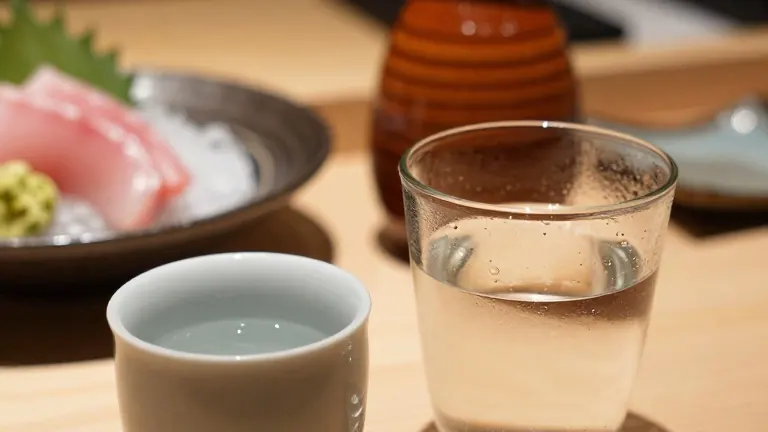
Restaurants in Oklahoma City are expanding their beverage offerings to include premium, chilled sake rather than just the steamed carafe often served with sushi. Melissa Hoffman, who represents BŌKEN Sake, a portfolio of historic Japanese breweries, noted that diners are missing out on a category that competes with fine wine.
The shift is visible in local establishments like Awaji Izakaya, Kaizume, and AKAI Sushi. These venues have developed specific sake programs designed to introduce customers to the variety of styles available. Jesse Way, a sales manager for Thirst Wine Merchants, has observed this change in diners' behavior. He stated that people are becoming more adventurous and are no longer settling for hot sake as the only option.
Way has conducted more than 20 restaurant staff trainings in the past year. These sessions allow servers and bartenders to taste different styles side by side. Way identified a knowledge barrier as a primary challenge for new consumers. Terms like junmai, ginjo, and daiginjo can appear intimidating on a menu compared to familiar wine varietals such as Chardonnay or Cabernet.
Hoffman emphasized that education is a critical component of a successful program. She argued that sake is not restricted to Japanese or Asian cuisine. BŌKEN bottles suggest pairings with lobster rolls, cheeseburgers, and oysters. This approach has led to sake appearing on the beverage list at MAHT, a modern American steakhouse on NW 23rd Street run by Chef Kevin Lee.
Several local restaurants offer distinct environments for exploring these drinks. Awaji Izakaya, located at 12305 N. Rockwell Ave., features an extensive selection paired with sushi, yakitori, and tempura. Kaizume, at 1501 NW 23rd St., offers a seafood-forward menu that encourages treating sake like wine. AKAI Sushi in the Wheeler District provides staff who can recommend specific pours based on whether a customer is eating fatty tuna or a heavier cooked dish.
Way advised newcomers to start with light, crisp styles served chilled. He recommended ordering multiple glasses to compare nuances rather than committing to a full bottle. Diners should tell servers their usual preferences and food choices to receive tailored recommendations. The goal is to allow guests to see the differences between styles directly.
Hoffman said the more consumers can connect sake to familiar wine experiences, the more likely they are to try new things. Way suggested that asking for help is the best way to navigate the menu. The standard hot pour remains available, but a wider variety of options is now accessible to those willing to explore beyond the traditional presentation.
Source: Oklahoma Gazette
More Business · Consumer Alerts · Report a business · Got a Story?