SK hynix keeps Solidigm private to build US factory
The memory maker will self-fund a new U.S. data center SSD factory after citing unfavorable market conditions.
By Lucy Lefebvre ·
Global memory chip maker SK hynix announced on Friday, October 23, that it will not pursue an initial public offering for Solidigm, its U.S. subsidiary focused on enterprise solid-state drives. The decision follows a review of capital-raising options that included a pre-IPO financing round and a full stock exchange listing.
The company stated that recent volatility in the stock market and a correction in semiconductor share prices made a public listing unattractive. SK hynix believes current conditions would prevent Solidigm from achieving a valuation that accurately reflects its growth outlook. Consequently, the parent company has ended its evaluation of both the pre-IPO funding and the full listing, though it will continue to explore other financing methods.
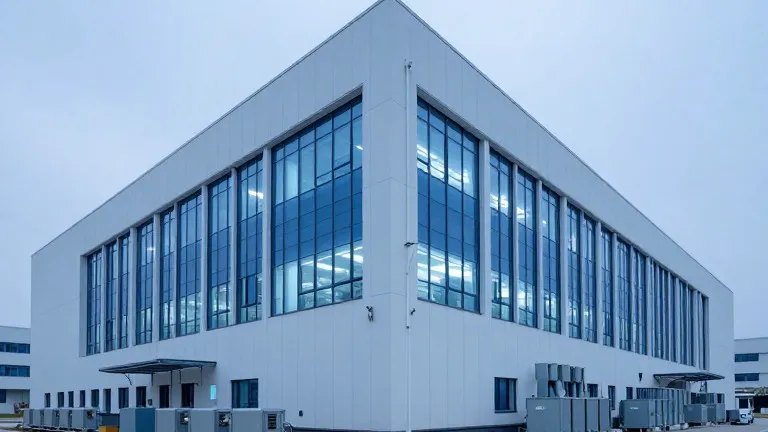
SK hynix confirmed that the shelving of the IPO does not alter its expansion strategy. The company plans to build a new fabrication plant for Solidigm in the United States to meet rising demand for high-capacity data center storage. The firm has not yet disclosed the size of the facility, the total project cost, or a timeline for construction.
Solidigm specializes in high-capacity data center SSDs built on floating gate 3D QLC NAND memory. As artificial intelligence infrastructure expands, demand for this specific storage type has climbed. The subsidiary’s current manufacturing capacity is currently insufficient to cover its projected needs. A new U.S. plant would also expand SK hynix’s domestic manufacturing footprint, a factor that carries weight in the current push toward local production.
The decision to self-fund the expansion may be driven by Solidigm’s strong profitability. Micron’s enterprise storage division recently reported a non-GAAP gross margin of 90%. Solidigm, which holds a 21.1% share of the enterprise SSD market alongside its parent, may earn similar or higher margins by selling exclusive products. If such profitability holds for the next two to three years, the unit could generate substantial cash flow for SK hynix.
Building a modern 3D NAND fab typically costs tens of billions of dollars. Outside funding would have eased the strain on SK hynix’s balance sheet and freed up capital for other projects. However, keeping full ownership of a highly profitable subsidiary allows SK hynix to retain all future profits. The company indicated it may fund the U.S. expansion through a mix of internal cash and debt, avoiding the dilution of ownership that a stock sale would require.
Source: Tom's Hardware
More Business · Tech news · Consumer Alerts · Report a business · Got a Story?