Austin gardener reports aquatic life returns to backyard ponds within days
Claire Sorenson details how simple water features in South Austin yards support native wildlife, noting that Round Rock residents can access rebates for rainwater collection systems.
By Noor Rossi ·
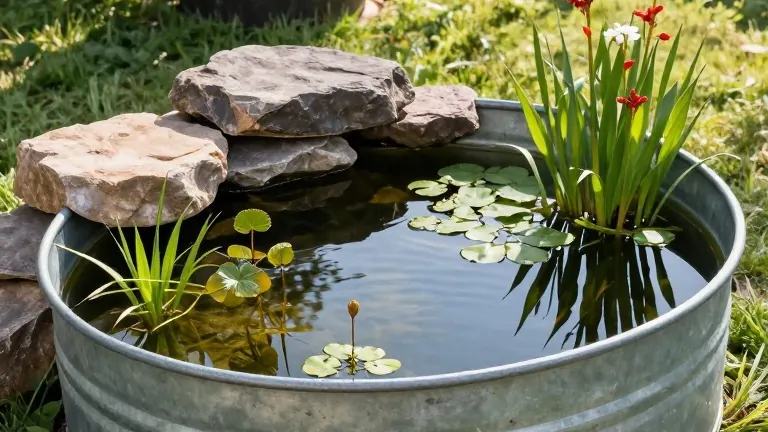
Urban landscapes in Texas are increasingly viewed as habitats rather than just decorative spaces. This shift has led many residents to reconsider how they manage water in their yards.
Claire Sorenson, a member of the Austin Chapter of the Native Plant Society of Texas, published a guide in the Fall 2026 issue of Texas Native Plants magazine describing her experience with backyard ponds. She lives in South Austin and initially believed her area lacked aquatic species because she rarely saw them. That assumption changed when she installed a small pond in her yard. Wildlife appeared almost immediately, seemingly out of nowhere.
Sorenson argues that aquatic wildlife is particularly vulnerable to climate change and water depletion. She notes that while many gardeners focus on birds, butterflies, and small mammals, fresh water sources remain critical for amphibians and insects. She found the process of adding a water feature to be simpler and more rewarding than she had expected.
The guide outlines basic components for creating a functional habitat. Sorenson suggests using containers such as metal livestock troughs, plastic liners, or large plastic tubs. She emphasizes the importance of using water without chlorine, which can be toxic to aquatic life. Homeowners can remove chlorine by letting tap water sit for 24 hours or by using collected rainwater.
Plant selection is central to the method. Sorenson lists ten native species that thrive in her pond, including Whitetop Sedge, Cardinal Flower, and Pickerelweed. These plants provide oxygen and help keep the water clean without the need for mechanical filters or aerators.
Wildlife began visiting the pond quickly. Birds such as House Finches, Goldfinches, and Bluebirds arrived first to drink and bathe. Insects like bees and wasps also stopped by. Shortly after, Gulf Coast Toads moved in. Sorenson first spotted two toads on her patio. She then heard their mating calls at night and found strings of eggs in the water. Within 24 hours of the eggs being laid, tadpoles hatched. She also observed dragonfly larvae and an adult dragonfly hovering near the water.
Sorenson advises those wishing to support amphibians to use mosquito dunks rather than mosquito fish for pest control. Mosquito fish eat amphibian eggs and tadpoles, while dunks target only mosquito larvae. She recommends adding rocks to the pond to create ramps for toads and frogs to enter and exit. Toad eggs hatch in 24 to 48 hours, and the larvae leave the pond after 20 to 30 days. Tadpoles feed on algae and small bugs, requiring no additional feeding.
The article also describes a simple rainwater collection system. Sorenson uses 55-gallon barrels connected to gutter downspouts with 3-inch PVC pipes. The tanks store water that can be pumped or gravity-fed into the ponds. She notes that this setup has worked for years to fill her ponds and water her garden. Filter baskets are placed at the top of downspouts and tanks to prevent debris from clogging the system.
Sorenson points out that Round Rock water customers are eligible for a rebate on rainwater collection systems. She encourages residents to add water features to their landscapes to support local biodiversity, noting that aquatic species need fresh water sources just as much as other wildlife.
Source: City of Round Rock