Central Texas gardeners urged to plant in fall to conserve water
Local experts recommend autumn planting to establish deeper roots and reduce reliance on synthetic inputs.
By Isabel Moretti ·
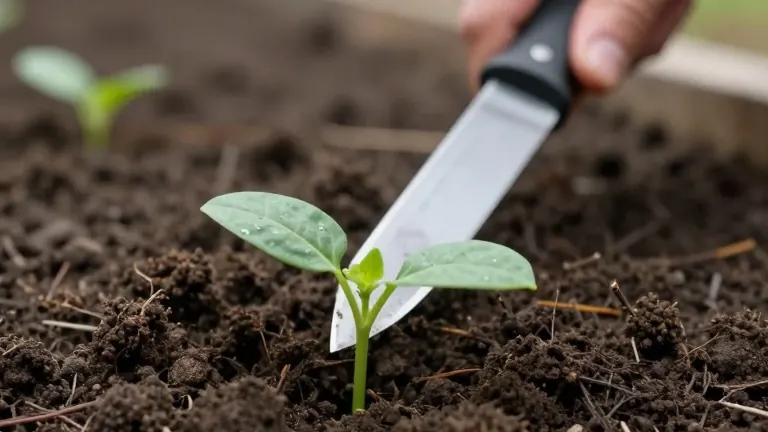
Gardeners in Central Texas should plant between mid-October and the end of November to allow plants to establish deeper root systems before the summer heat returns. This timing leverages cooler temperatures and a higher probability of rain, reducing the need for supplemental watering. Plants established during this window develop larger root networks, which improves their ability to tolerate drought conditions in subsequent seasons.
Holly Wilson, an organic gardening instructor and member of the City of Kyle Conservation and Parks and Recreation board, advises against spring and summer planting. Those seasons require substantial water consumption to keep new plants alive. Wilson, who has 40 years of experience, teaches for the Native Plant Society of Texas and emphasizes the symbiotic relationship between humans and nature.
Beginners frequently make errors regarding plant placement and mature size. Wilson recommends that gardeners research soil, watering, and sun requirements before purchasing plants. They must also account for the plant's full growth potential to determine the appropriate location within the garden. Ignoring these factors leads to poor placement and resource inefficiency.
Wilson advocates for integrated pest management rather than chemical intervention. She avoids pesticides, herbicides, and fungicides, relying instead on compost and vermicompost for nutrients. Beneficial insects, lizards, and frogs help control unwanted pests. She notes that maintaining a balanced ecosystem prevents pest overabundance better than reactive treatments.
Soil health is a primary focus for sustainable gardening. Wilson warns that synthetic fertilizers can starve beneficial microorganisms, causing plants to become dependent on chemical inputs. She mixes compost into the soil before planting and gently incorporates it around existing plants to avoid disturbing roots. Compost tea, made by soaking compost in water, serves as an additional nutrient source.
The use of native plants is a growing trend in the region, driven by water scarcity. Non-native turf grasses and plants consume significant amounts of water. Wilson states that 90% of native insects are specialists that feed exclusively on native plants. She also notes that 15% of adapted non-native plants eventually become invasive, causing environmental and economic damage to agriculture and wildlife.
Source: Community Impact Austin