Sderot Film Festival: A Quarter Century of Cinema Amid Regional Resilience
The Cinema of the South Festival celebrates its 25th anniversary in November with a program that blends premieres, educational workshops, and a new initiative to support emerging filmmakers from the region.
By Noor Rossi ·
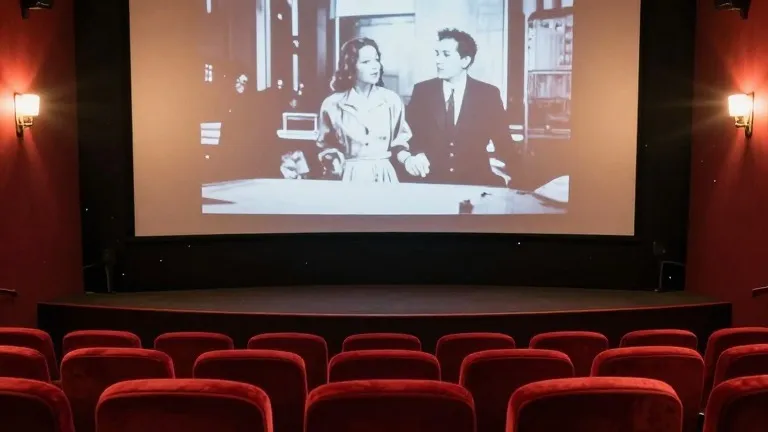
For the past three years, life in Sderot and the surrounding western Negev has been defined by the aftermath of the October 7 Hamas-led massacres. Yet as the city prepares for the 25th iteration of its Cinema of the South Festival, a different narrative is taking center stage. From November 1 to 5, the Sderot Cinematheque will host a five-day event that balances cinematic celebration with a sober look at recent history. The program, organized by the School of Audio and Visual Arts at Sapir Academic College, marks a quarter-century of the festival with television premieres, international screenings, and direct interactions between audiences and creators.
The festival’s origins date back to its founding by Sapir Academic College, which has used the platform to highlight local voices. This year’s lineup places a specific emphasis on filmmakers from Sderot and the western Negev. Many of these creators have produced work that examines the texture of daily life in the region during the three years following the October 7 attacks. By focusing on these local perspectives, the event aims to provide a grounded view of community resilience and adaptation.
The opening evening on November 1 will set a lively tone for the proceedings. Hanan Savyon and Guy Amir, the creators of the Netflix series "Bros," will take the stage to discuss their work. The show, which follows two childhood friends and Beitar Jerusalem fans who co-own a pub, will see the world premiere of the first two episodes of its second season. The narrative of the series, which tests a long-standing friendship against a series of crises, offers a counterpoint to the heavier regional themes explored elsewhere in the festival.
Beyond the opening night, audiences will have access to several advance screenings of popular Israeli television content. Yael Hedaya’s KAN comedy-drama "Motherland" will be shown, featuring a cast that includes Dana Ivgy, Sasson Gabay, and Alma Zack. In the documentary sector, the KAN series "Whose Daughter Are You?" will be presented. Directed by Efrat Shalom Danon and Keren Shayo, and produced by Osnat Trabelsi, the series focuses on the experiences of Mizrahi women in Israel. The festival will also host the creative team behind the KAN series "The Pshute," with director Dan Messer and creators Bar Elmaliach Donzov, Chen Rotman, and Oshrit Sarusi available for discussion.
The event will close with a significant preview of Iris Zaki’s film "What Was She Thinking?". Zaki, who leads the school’s master’s degree program, directs a story about the societal implications of choosing not to have children in Israel. This closing screening doubles as a tribute to editor Nili Feller, a two-time Ophir Award winner. The tribute will showcase four films she has edited and include a master class. Filmmakers such as Ari Folman and Dani Rosenberg will participate in meetings with attendees during this segment.
Graduates of Sapir Academic College will also present new works that reflect their evolving careers. Efrat Corem will screen "Heart of Gold," a film starring Chen Amsalem, Menashe Noy, and Israel Atias. Shir Houri Abu will present the documentary "100 Gates," while Tal Avitan, a Sderot filmmaker, will show "Carlos Outside the Lines." The latter film explores the life of a children’s soccer coach in Kiryat Gat. To provide context for the new entries, the festival will also screen eight winning films from previous editions, offering a retrospective look at the event’s history.
Regional programming will take a deeper dive into the post-October 7 landscape with "Sketches of the Soul." This collection features five short films by western Negev filmmakers that capture life in the aftermath of the attacks. Additionally, the festival will host the premiere of Sami Shalom Chetrit’s "My Beloved Gourama," which traces his father’s life across Morocco and Israel. These selections underscore the festival’s commitment to diverse storytelling within the southern region.
International collaboration is a key component of the 2026 schedule. Swiss director Thomas Imbach will present two films and lead a master class in cooperation with the Swiss Embassy. This educational exchange highlights the global reach of the festival despite its local roots. The event will conclude with the launch of Negba, a new incubator designed to support young filmmakers from the south. This initiative signals the festival’s intention to sustain and grow the local film community for the next quarter-century.
Details regarding the schedule and participation can be found on the festival’s page on the Sapir Academic College website. As the event approaches, it stands as a cultural milestone for Sderot, blending artistic premieres with educational opportunities and community reflection.
Source: The Jerusalem Post
More Culture · World news · Report a business · Got a Story?