St. Louis Circuit Court Deploys On-Site Therapists for Jurors
A new protocol allows private trauma disclosures and pairs the YWCA with the court to provide immediate counseling after heavy cases.
By Noor Rossi ·
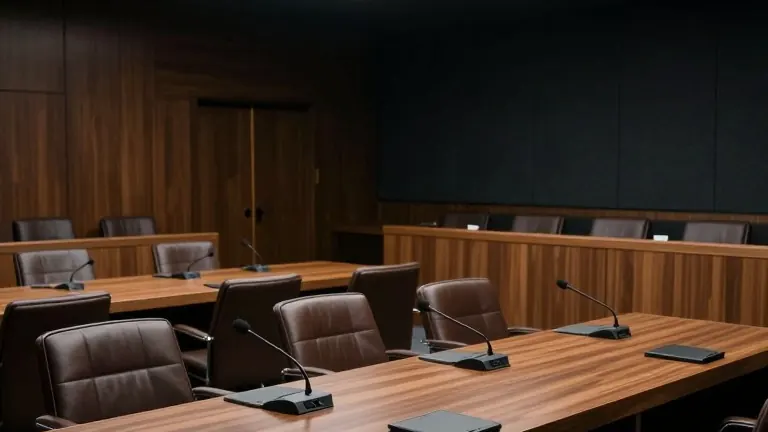
Jurors in the St. Louis Circuit Court now have access to professional counselors stationed directly at the courthouse following trials involving homicide or sexual assault. This initiative addresses the psychological strain placed on citizens who witness graphic evidence or relive personal trauma during their service. The program replaces the previous practice of dismissing jurors immediately after verdicts without structured support.
Circuit Judge Katherine Fowler spearheaded the effort by convening a task force this summer. The group included defense attorneys, prosecutors, victim advocates, psychologists, and students from high school and college levels. They worked to identify gaps in current support systems and develop a trauma-informed courtroom protocol. The full bank of judges approved this new protocol in September.
The protocol changes how prospective jurors disclose history related to violence or trauma. Previously, lawyers asked these questions openly in front of the entire panel. Now, individuals can share their experiences in a private setting if they prefer. This shift aims to reduce the discomfort of revealing sensitive personal histories to a room full of strangers.
The first case to use the new private disclosure option occurred earlier this month. A circuit judge presided over a sexual assault trial where several prospective jurors chose the private pathway. Fowler noted that her colleagues reported positive feedback on the implementation, describing the process as a wake-up call for the judiciary to better support jurors.
The YWCA of St. Louis partners with the court to provide the therapeutic services. Samantha Wayant, the YWCA’s senior director of crisis services, confirmed the organization’s role in the initiative. Her team will staff the courthouse with professional counselors at the conclusion of qualifying cases. These counselors offer immediate processing support for the jury experience and any prior trauma that the case triggered.
Wayant described the arrangement as a natural extension of the YWCA’s existing Sexual Assault Response Team model. The organization already responds to hospitals and police departments in the region. In 2025, the YWCA trained 250 St. Louis police officers on best practices for responding to sexual assault and domestic violence calls. This existing infrastructure allows for rapid deployment of counselors within the judicial setting.
Fowler observed that many jurors carry undisclosed trauma that surfaces during service. She has witnessed jurors breaking down in open court and has heard individuals disclose childhood abuse for the first time. The on-site presence of therapists provides a direct channel for these individuals to seek help. Fowler stated that seeing judges engage with this responsibility has been exciting for her, and she is connected to courts in Canada that are considering adopting the same model.
Source: St. Louis Magazine