Democrats Seize Congress and State Power in Historic Midterm Sweep
A nationwide shift delivered Democratic control of both chambers of Congress and key state governments, marking a decisive rejection of the current administration.
By Noor Rossi ·
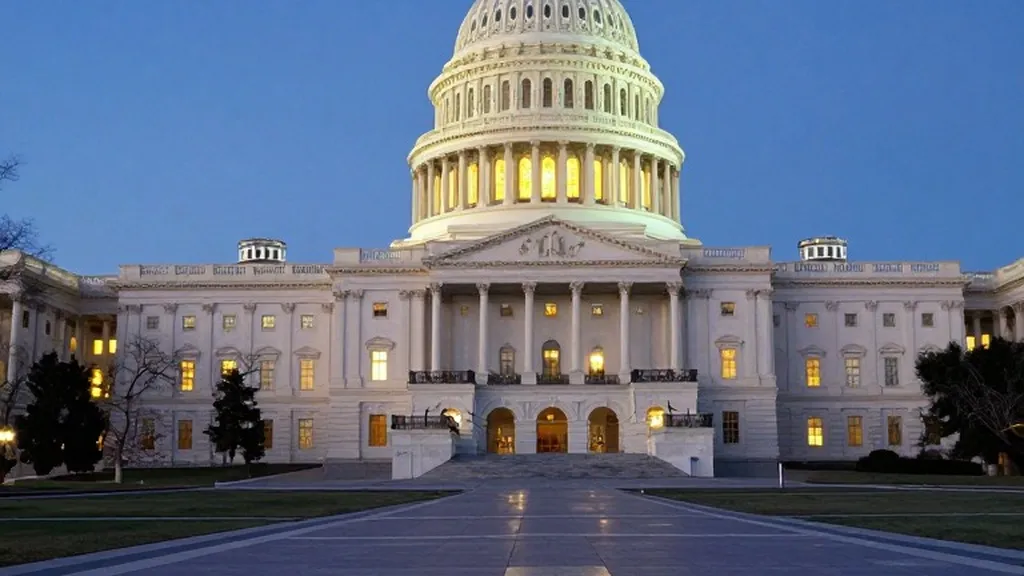
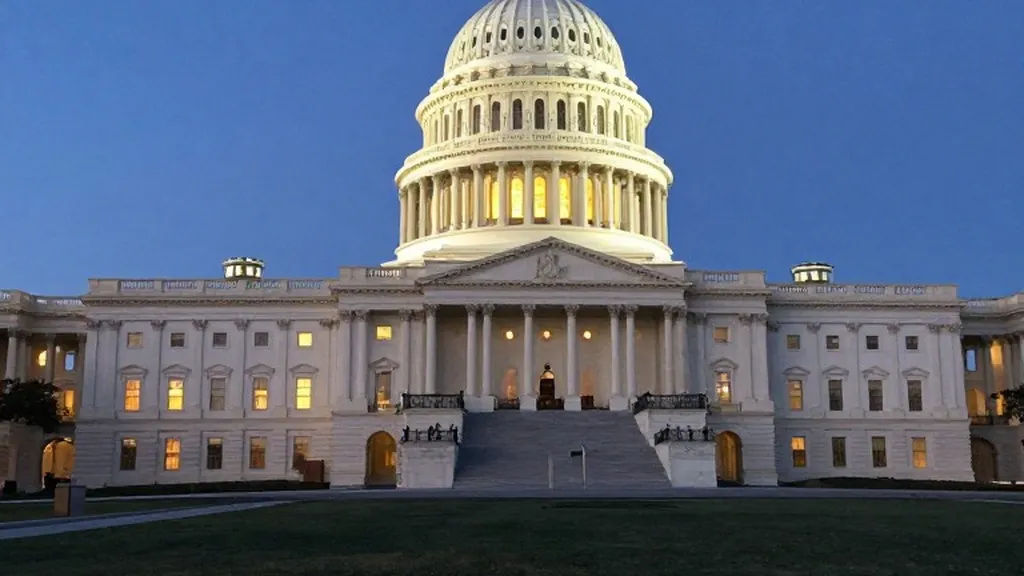
Democrats secured a decisive victory in the 2026 midterm elections, taking control of both the U.S. House of Representatives and the U.S. Senate in a sweep that reshaped the national political landscape. According to Ballotpedia, Democrats won 233 House seats compared to 138 for Republicans, a net gain of 30 seats that ended Republican control of the chamber. In the Senate, Democrats claimed 20 of the 35 contested seats, giving them a majority after gaining seven seats from the previous Republican majority. This result concludes an era of unified Republican control in Washington and establishes a divided government that will define the next two years.
The wave of Democratic gains was not limited to federal offices. In a historic reversal, Democrats took full control of state governments in at least five states where they previously shared power, according to the Associated Press. This included winning both chambers of the legislature and the governorship in Michigan, Minnesota, and Pennsylvania. In Texas, the party achieved its first control of the state House since 2002 and elected Gina Hinojosa as its first Democratic governor since 1994. These state-level victories provide Democrats with a broader platform to implement policies affecting daily life, from tax rates to housing regulations.
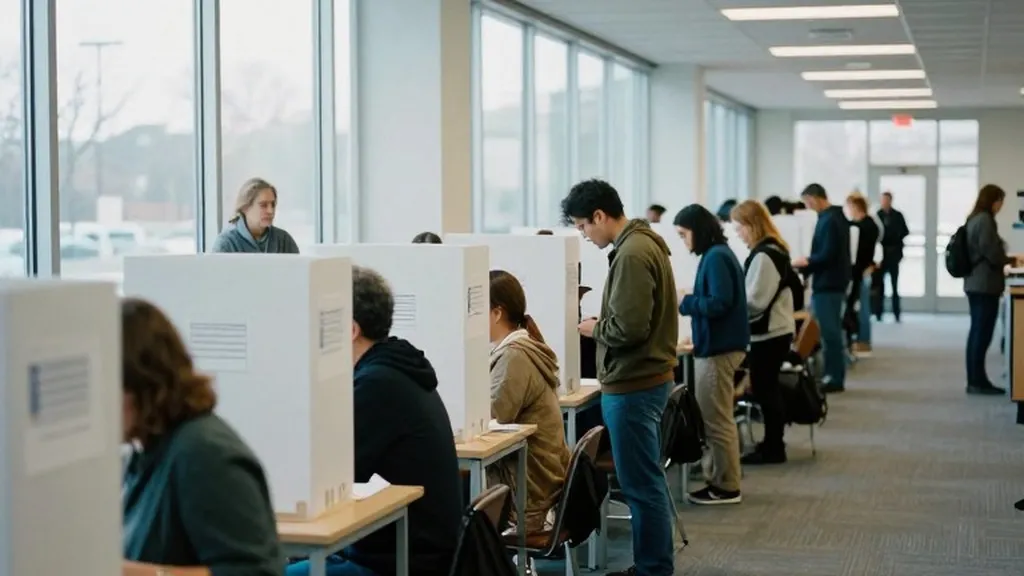
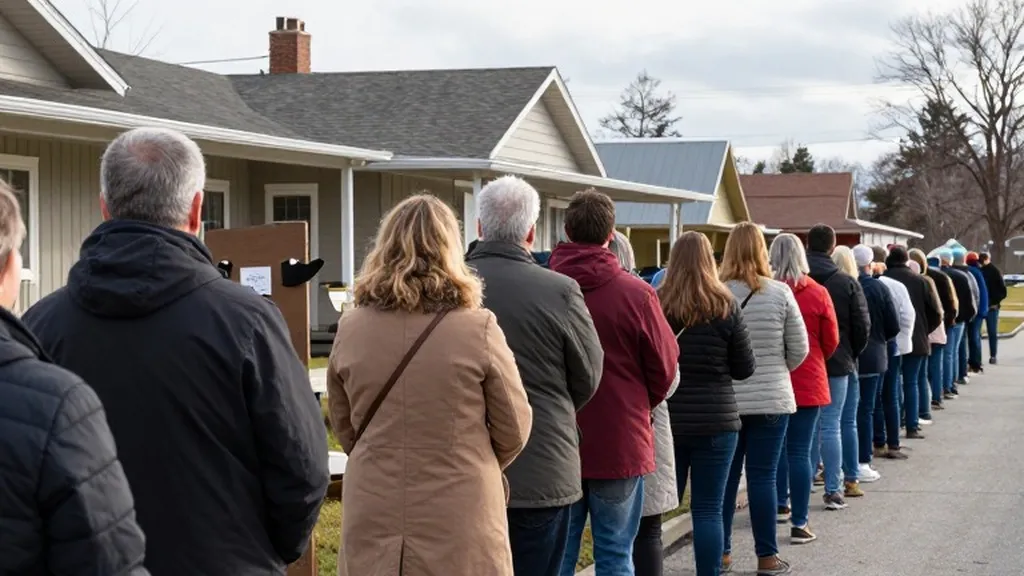
Voters cited high costs of living, inflation, and the war with Iran as primary drivers behind their decision to switch parties. The Associated Press reported that the election served as a referendum on President Donald Trump's second term, with many voters expressing frustration over rising prices for gas and groceries. Rep. Hakeem Jeffries of New York, who is expected to become the first Black speaker of the House, acknowledged the mandate for change. He stated that the party heard the electorate and intends to work hard to deliver on the dramatic change voters demanded during the campaign.
The Republican strategy of mid-decade redistricting, urged by President Trump, ultimately failed to secure a majority for the party in the House. Republicans had redrawn congressional maps in eight states to create favorable districts, but they lost most of the Democratic-held seats they targeted and failed to retain others they had banked on. Former Attorney General Eric Holder, chair of the National Democratic Redistricting Committee, described the plan as systematically dismantled. He noted that voters chose to elect a new Democratic majority rather than accept the adjusted boundaries that favored the Republican party.
In Texas, the redistricting efforts backfired significantly. Democrats won control of the state House and elected a new governor, breaking a long period of Republican dominance in statewide races. Mark Jones, a political science professor at Rice University, attributed the Democratic success in the state to a mobilization of voters who were angered by the map changes. He also pointed to broader dissatisfaction with the president's policies as a key factor. The results in Texas underscore a shift in voter alignment, particularly among Hispanic voters, who moved away from the Republican party compared to the 2024 election.
Democrats are now poised to launch a robust oversight agenda and a 100-day plan to address economic concerns. House Democrats have outlined priorities that include lowering the costs of gas and groceries, reversing cuts to the Affordable Care Act, and expanding access to healthcare in rural areas. Rep. Robert Garcia of California, the top Democrat on the House Oversight Committee, issued a brief warning to the administration, stating that it is time for officials to prepare for increased scrutiny. Sen. Ron Wyden of Oregon, the top Democrat on the Senate Finance Committee, echoed this sentiment by announcing that his committee would be issuing subpoenas.
President Trump reacted to the election results with a mix of conciliation and deflection. On Wednesday, he focused on a construction project for a White House ballroom, spending nearly 20 minutes discussing the building before briefly addressing the election. He suggested that he could work with Democrats but warned that he would use his veto power to strike down their agenda if it was not in line with his priorities. In a separate statement, he claimed that if he had been on the ballot, he would have won in a landslide, a narrative that contrasts with the AP Voter Poll finding that about 6 in 10 voters disapprove of how he is handling the presidency.
The election results also signal a potential shift in foreign policy, particularly regarding the Iran war. Vice President JD Vance publicly distanced himself from the president's defense of the conflict, acknowledging its role in the Republican party's losses. British Prime Minister Andy Burnham expressed hope that the new Democratic leadership in Washington would focus on ending the war, which has contributed to soaring fuel prices. The new congressional majority may soon face pressure to reconsider the administration's military and diplomatic strategies in the Middle East in response to voter demands for stability and lower costs.
State-level legislative sessions will likely see major efforts to lighten the tax burden on the middle class and relax housing regulations. Newly elected governors, including David Crowley in Wisconsin and Amy Klobuchar in Minnesota, have expressed a desire to work across the aisle. Klobuchar told supporters that she wants to move her state forward rather than to the left or the right, while also warning that her supporters might not like every decision she makes. These leadership transitions will shape the implementation of new policies aimed at addressing the kitchen-table issues that drove the Democratic surge.
The coming legislative session in 2027 will test the ability of the new Democratic leadership to translate their mandate into tangible results. With control of both chambers of Congress and significant state governments, Democrats face the challenge of governing in a divided nation. The focus will remain on economic opportunities, educational access, and healthcare affordability. As the new Congress prepares to convene on January 3, 2027, the party is under intense pressure to demonstrate that it can deliver on the promises made to an electorate that has clearly signaled its desire for change.