Record spending defines the 2026 midterm money war
While Democratic candidates outpaced their opponents in fundraising, Republican committees dominated overall spending with over $850 million targeted at deep red districts.
By Noor Rossi ·
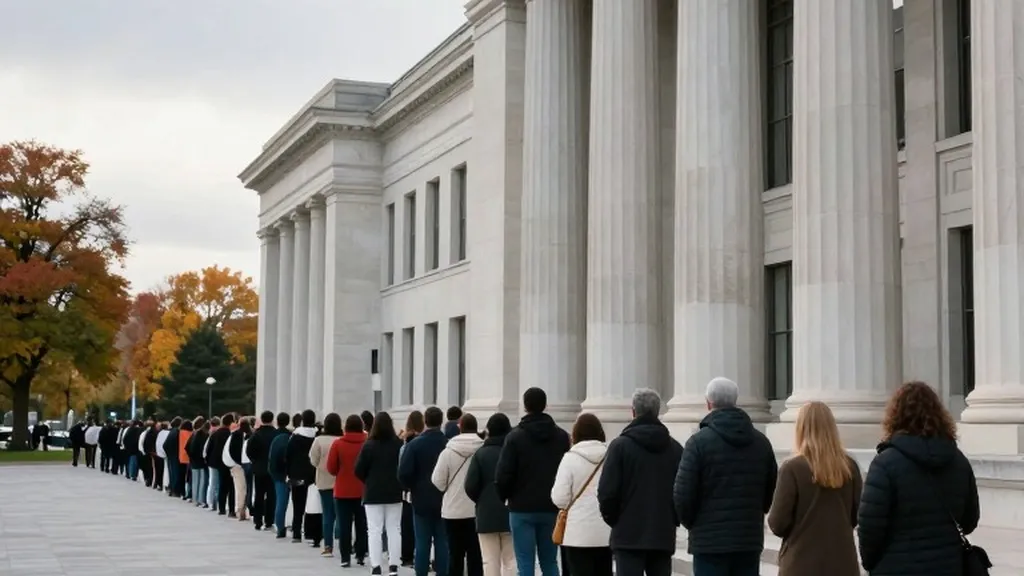
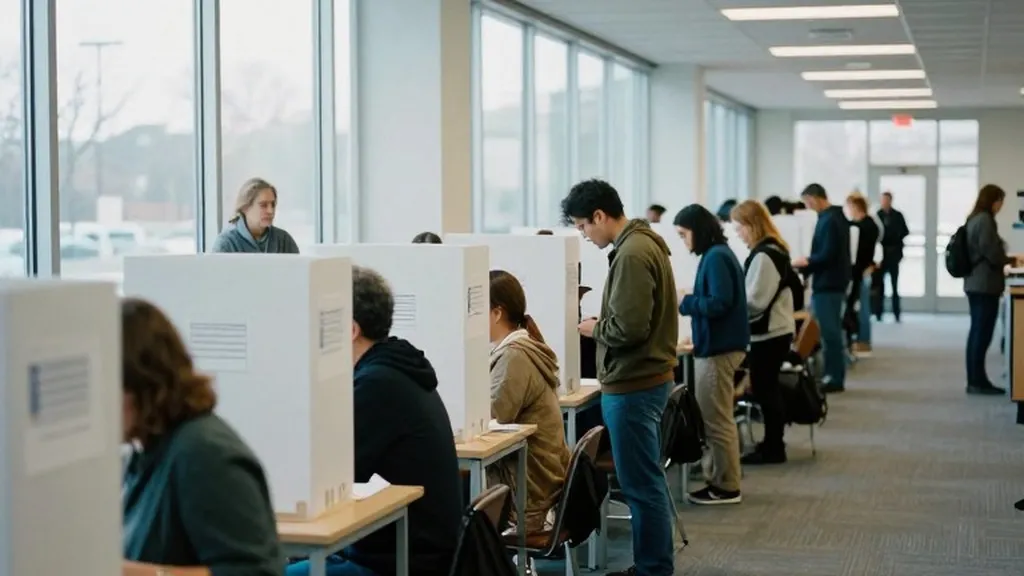
Election Day 2026 marks a significant financial milestone as the Associated Press reports that this cycle is likely to be the most expensive in history. The sheer volume of money moving through the political system has created a stark contrast between the total spending power of the parties and the specific fundraising efficiency of individual candidates. This financial landscape sets the stage for the decisive battles currently unfolding across the nation's polling places.
According to Associated Press analysis of AdImpact data, Republican committees have outraised and outspent their Democratic counterparts. This advantage is heavily influenced by contributions from Trump-affiliated groups and the significant financial backing provided by Elon Musk. These combined resources have allowed Republican committees to maintain a substantial spending edge throughout the general election period.
The allocation of these funds reveals a targeted strategy that may surprise some observers. The data shows that 88.1 percent of all Republican general election television advertising spending went to states and districts where Donald Trump won in 2024. This includes more than $850 million spent in areas where he won by ten points or more. This approach contrasts with the typical midterm strategy of focusing heavily on swing districts, suggesting a bet on high-turnout victories in deep red areas.
In contrast, the fundraising dynamics at the candidate level tell a different story. Democrats have successfully outraised their Republican opponents when looking at individual campaign funds. This candidate-level edge provides Democratic contenders with robust resources for local advertising and ground operations. However, the aggregate spending by Republican committees still dwarfs the total Democratic expenditure, creating a complex financial battlefield.
This money war occurs against a backdrop of intense voter frustration. The Associated Press describes the election as a referendum on the current administration, with many voters citing high prices and an unpopular war with Iran as primary concerns. Polling indicates that 35 percent of U.S. adults approve of the president's job performance, while about seven in ten say the country is heading in the wrong direction. These economic anxieties drive the urgency behind both parties' spending strategies.
The financial disparity is particularly evident in the Senate races. Republicans hold 53 seats and can afford to lose only two to maintain control. Democrats need a net gain of four seats to take the majority. The heavy spending in states like Georgia, Michigan, and Maine reflects the high stakes of these contests. In Maine, economic strain and tariffs have made the state competitive, drawing significant attention and funding from both sides.
Redistricting has added another layer of complexity to the financial picture. New congressional maps in states such as California, Florida, and Texas have altered the landscape for spending. Republicans used these new maps to try to break the historical pattern of the president's party losing seats in midterms. However, the effectiveness of this strategy remains uncertain as voters head to the polls today.
Democratic leaders have pointed to the candidate-level fundraising success as a sign of grassroots momentum. House Democratic Leader Hakeem Jeffries has outlined a 100-day agenda focused on the cost of living and oversight if his party gains control. The ability to outfund individual opponents suggests that Democrats are well-positioned to compete in key battlegrounds despite the overall committee disadvantage.
Republican strategy relies on the massive committee spending to lock in victories in safe districts while competing in the few toss-ups. RNC Chairman Joe Gruters emphasized that turnout is the critical factor, stating that if they turn out their voters, they win. This confidence is bolstered by the sheer scale of the financial resources available to the party's national committees.
The role of Elon Musk in this financial cycle cannot be overstated. His contributions have provided a lifeline for Republican committees, allowing them to maintain their spending edge even as individual candidates face fundraising challenges. This top-down funding model contrasts with the bottom-up approach seen in many Democratic campaigns, highlighting the structural differences in how the two parties finance their efforts.
As polls close across the country, the true impact of these financial advantages will be tested. The 88.1 percent figure for Republican spending in red districts and the $850 million total in those areas will be scrutinized by analysts in the coming weeks. For now, the focus remains on whether the money translates into votes in the 46 battleground districts and 13 competitive Senate races.
The Postal Service has added staff and special lines to ensure mail ballots are counted on time, a crucial logistical step in an election where early voting has surpassed previous records. With more than 57 million people having already voted, the final count will reveal whether the massive financial investments yield the expected results in Congress.