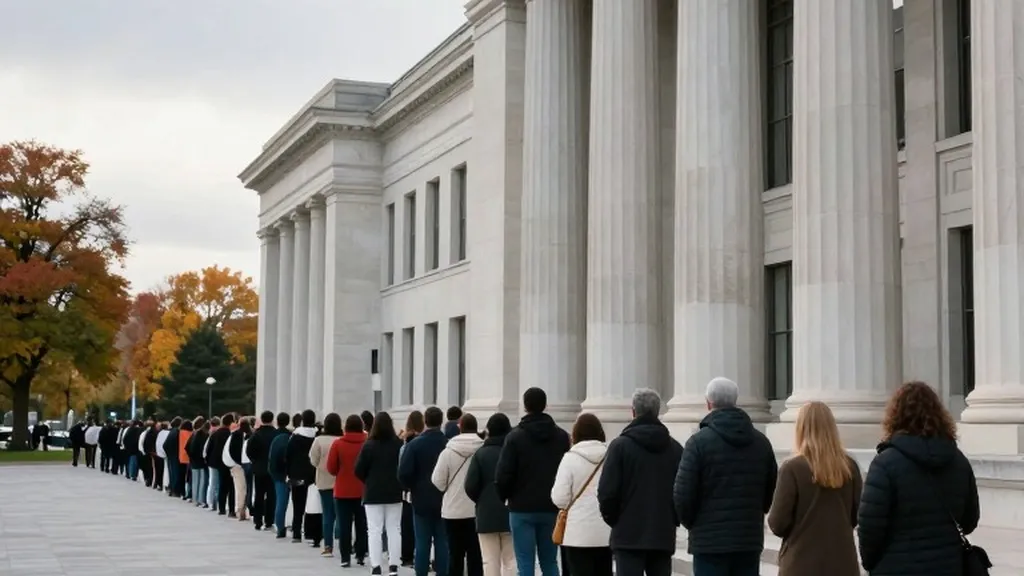
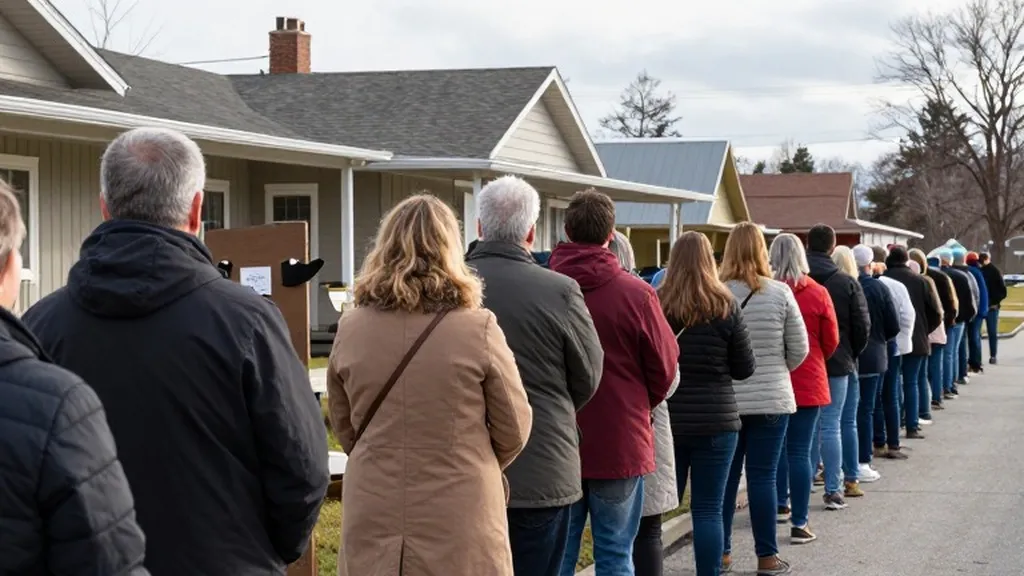
Voters decide fate of Trump's $5,000 dividend promise after Dallas pledge
Democratic control of Congress now complicates the administration's plan to send checks to adults, a move that faced bipartisan skepticism and legal hurdles before the vote.
By Isabel Moretti ·
President Donald Trump’s promise to send $5,000 to every American adult if Republicans retained control of Congress has become a central point of contention in the 2026 midterm elections. The pledge, dubbed the Trump Dividend, was made at the Republican Midterm Convention in Dallas. The administration argued the payments were a reward for economic success, but the outcome of Tuesday’s election has introduced significant uncertainty regarding the plan’s implementation.
According to the Associated Press, Trump told the crowd in Dallas, 'If the Republicans win, you win with us and you get $5,000.' He specified that the payment would go to every adult citizen in the United States. The White House framed the dividend as a distribution of tariff revenue and a sign of the administration’s fiscal strength. However, the proposal required congressional approval, a step that has now become complicated by the shifting balance of power in Washington.
Before the election, House Speaker Mike Johnson stated that the proposal needed congressional approval. Johnson said, 'I would assume, yes, he’d need Congress to act, and that’s a creative idea.' He pledged to work through the process, noting that the House would have to find consensus on the spending. This statement contrasted with Trump’s later comments to CBS News Texas, where he suggested Congress might not need to authorize the payments, though he did not specify how the administration would spend more than $1 trillion without legislative action.
The potential cost of the dividend has drawn criticism from both parties. PolitiFact reported that the payment is far from certain, noting that the administration has not announced a formal plan for distributing the checks. The U.S. Census Bureau estimates there are about 245 million U.S. citizen adults, meaning the total cost would be approximately $1.2 trillion. This figure is expected to strain the federal budget, which is already running a deficit of nearly $1.8 trillion annually.
Fiscal experts have questioned the funding source. Trump cited tariff revenues as the primary source, but the Tax Foundation estimated that the new tariffs would not generate enough revenue to cover the cost. Erica York, a senior economist at the Tax Foundation, wrote that the checks would spend almost all the revenue projected from the new tariffs over a decade. She described the promise as unlikely to materialize, given the existing economic challenges and high interest rates.
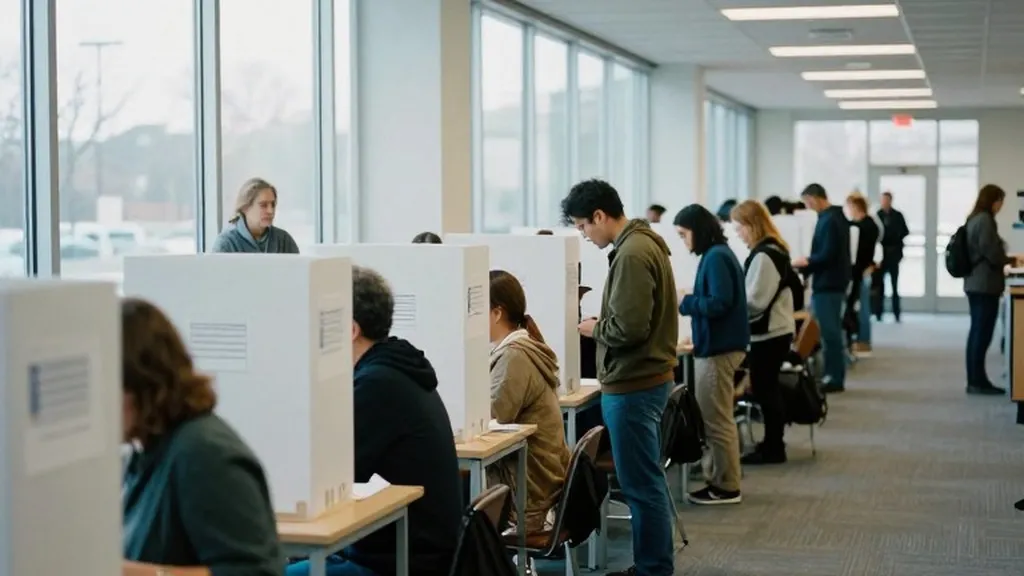
Democrats have seized on the proposal as evidence of the administration’s focus on symbolic gestures over substantive policy. Rep. Suzan DelBene, chair of the Democratic Congressional Campaign Committee, emphasized that voters were angry about the cost of living and government corruption. The AP Voter Poll found that three-quarters of voters felt the economy was not so good or poor. About 8 in 10 said inflation had caused financial hardship for their households. These findings suggest that while the dividend may have appealed to some voters, it did not fully address the underlying economic concerns driving the Democratic wave.
The bipartisan criticism of the plan was evident in the reactions of Republican lawmakers. Texas Congressman Chip Roy wrote on X that 'Dependency is evil and soul-sucking in all its forms.' His comments reflected a faction within the party that viewed the dividend as a handout that could foster long-term fiscal irresponsibility. Other Republicans questioned the timing of the promise, arguing that such a large expenditure should be preceded by a more detailed legislative framework.
Election law experts have noted that promising a financial incentive during a campaign is legally protected. Rick Hasen, a professor at the UCLA School of Law, stated that Trump would have a strong First Amendment defense if the promise were challenged. He compared the dividend to other common campaign pledges, such as tax cuts or social program expansions. However, Hasen also acknowledged the practical difficulty of getting the checks approved by Congress, especially in a divided government.
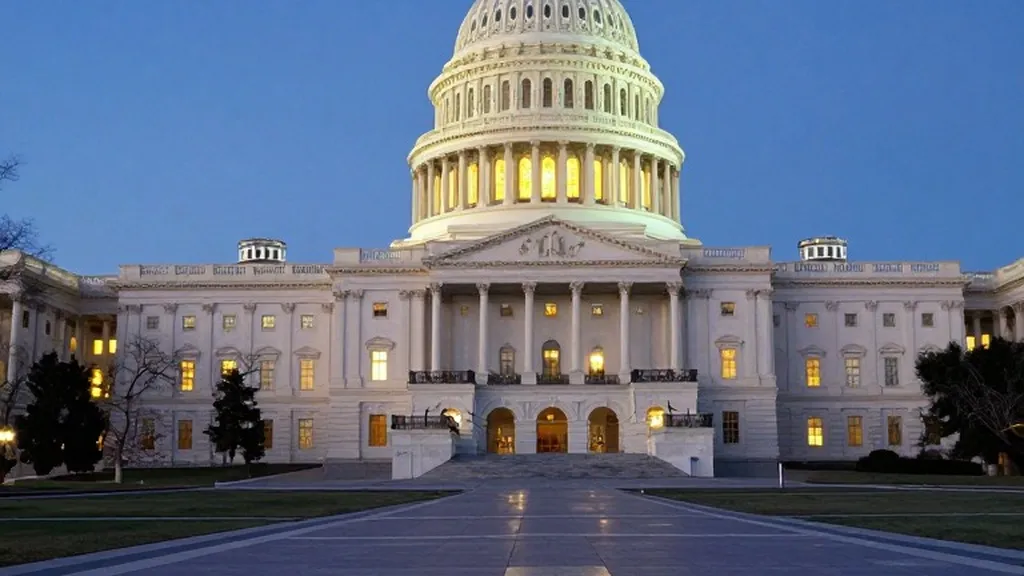
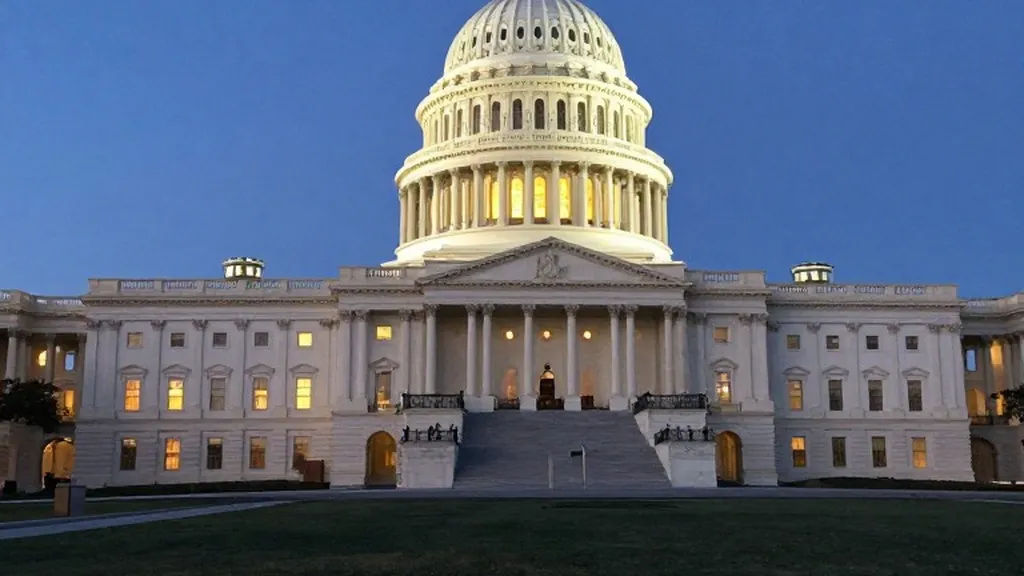
The results of the election have made the path to the Trump Dividend even more uncertain. According to Ballotpedia, Democrats have won control of both the U.S. House and the U.S. Senate. In the Senate, Democrats have gained seven seats, securing a majority of 20 out of the 35 seats up for election. In the House, Democrats have also taken control, with early counts showing a significant lead. This shift means that the Republican Party no longer holds the majority in either chamber, which is a prerequisite for the dividend as originally promised by Trump.
Speaker Johnson’s earlier commitment to push the proposal through Congress now faces the reality of a Democratic majority. The administration’s spokesperson, Davis Ingle, maintained that the president has proven his doubters wrong in the past. However, with the new congressional leadership in place, the likelihood of the $5,000 checks being issued by the administration’s target timeframe has diminished. The coming weeks will likely involve intense negotiations over the budget and the role of the new Democratic leadership in shaping the nation’s fiscal policy.
The political map has also shifted significantly, with Democrats winning governorships in key states like Texas and Georgia. These victories give the Democratic Party more leverage in state-level policy discussions, which may intersect with federal initiatives like the dividend. The combination of a new congressional majority and a wave of new state executives creates a complex environment for the administration as it seeks to implement its remaining agenda items.