Trump's Rally Tour and Fraud Claims Shape Midterm Stakes
The president's active campaigning and legal challenges stand in contrast to a low approval rating and a voter base focused on economic pressures.
By Isabel Moretti ·
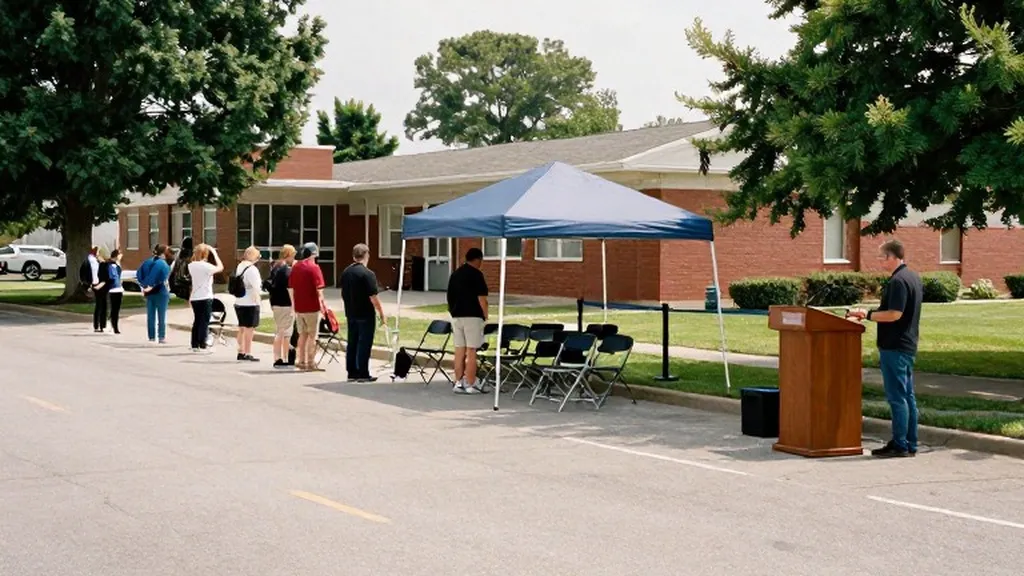
President Donald Trump has been a central figure in the 2026 midterm elections, holding dozens of rallies to mobilize his base. His campaign schedule included stops in Mississippi, South Carolina, and Texas, culminating in a rally in Salina, Kansas on Sunday. At that event, the president urged supporters to engage with the process by telling them to pretend he was on the ballot. This active involvement is a hallmark of his second term, where he seeks to influence the outcome of congressional races that will determine the balance of power for his final two years in office. The Associated Press notes that his presence is designed to energize Republican voters who are bracing for potential losses in the House.
Despite his energetic schedule, many Republican candidates have kept a visible distance from the president. This strategic separation is often attributed to the need to appeal to moderate voters in battleground districts. The AP reports that while Trump is a polarizing figure, his approval numbers have become a significant factor for Republican strategists. Polling from the AP and NORC indicates that only 35% of U.S. adults approve of his job performance. Furthermore, just 25% approve of his handling of the economy, a key concern for voters dealing with high prices. These figures suggest that the president's popularity may be a double-edged sword for his party's candidates.
The economic mood is a driving force in this election, with about seven in ten adults saying the country is heading in the wrong direction. Most of these voters blame the administration for the cost of living, a theme that has resonated in swing states. James Moore, a 57-year-old librarian in Raleigh, North Carolina, encapsulated this sentiment by noting that he is paying more for taxes, healthcare, and everyday goods. This frustration is part of a broader referendum on the administration's first two years, which has also been marked by an unpopular war with Iran. The AP describes the election as a vote on the president's legacy, with Democrats hoping to capitalize on voter dissatisfaction to gain control of at least one chamber of Congress.
Complicating the political landscape is the president's continued focus on voting integrity. Trump has made claims about widespread fraud, including the assertion that noncitizens vote in large numbers. His administration has taken legal action in states like Alaska and California, suing to challenge election certification processes. In California, a judge ordered the administration to stop demanding that election officials segregate ballots cast by people on lists of suspected noncitizens. These moves have raised concerns among Democrats about potential interference and intimidation, particularly as the Justice Department has threatened to prosecute local election officials. The legal battles add a layer of uncertainty to an election already viewed as highly competitive.
The financial dynamics of the campaign also reflect the president's influence. The 2026 elections are likely to be the most expensive in history, with Republican committees outspending their Democratic counterparts. This advantage is driven by Trump-affiliated groups and the support of Elon Musk. An AP analysis of AdImpact data shows that 88.1% of Republican general election TV ad spending went to states and districts that Trump won in 2024. More than $850 million was spent in areas where he won by 10 points or more. This heavy investment in solid Republican territory contrasts with the Democratic strategy of focusing on competitive districts, although Democrats have outraised their opponents at the candidate level.
The stakes of the election are high for both parties. Republicans hold 218 seats in the House and 53 in the Senate, while Democrats hold 214 and 45, respectively. Democrats need a net gain of three House seats and four Senate seats to achieve a majority. If they succeed, investigations and possible impeachment proceedings are likely to follow. House Democratic Leader Hakeem Jeffries, who would become the first Black speaker, has outlined a 100-day agenda focused on the cost of living and oversight. A strong Democratic performance would also boost potential 2028 candidates such as Gavin Newsom, JB Pritzker, and Pete Buttigieg, while complicating the path of Vice President JD Vance.
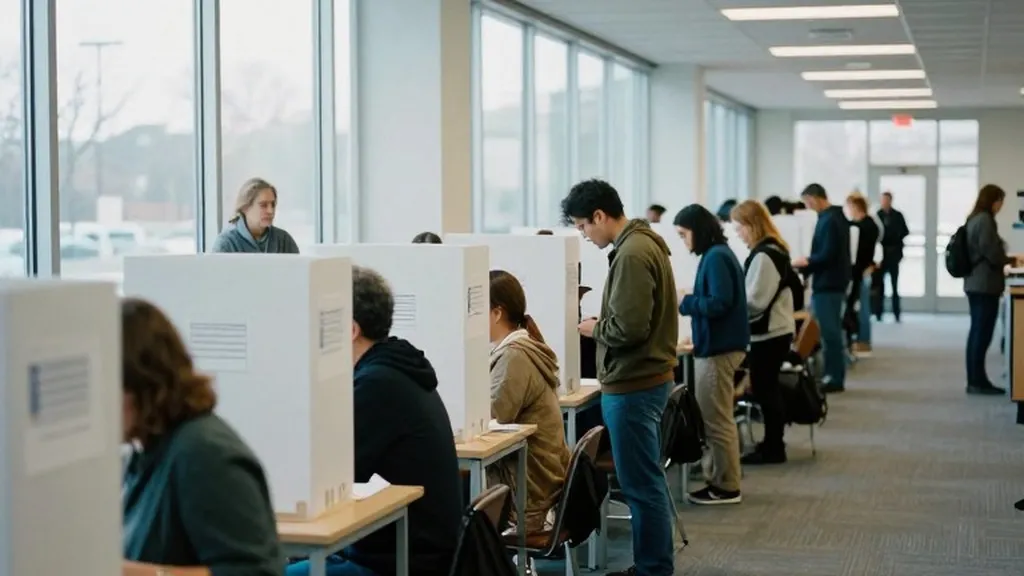
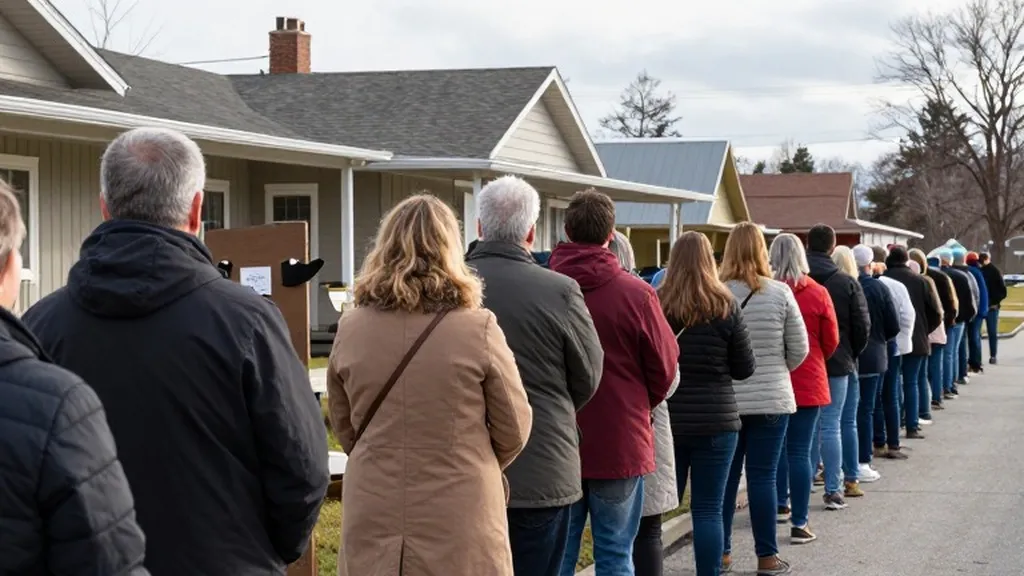
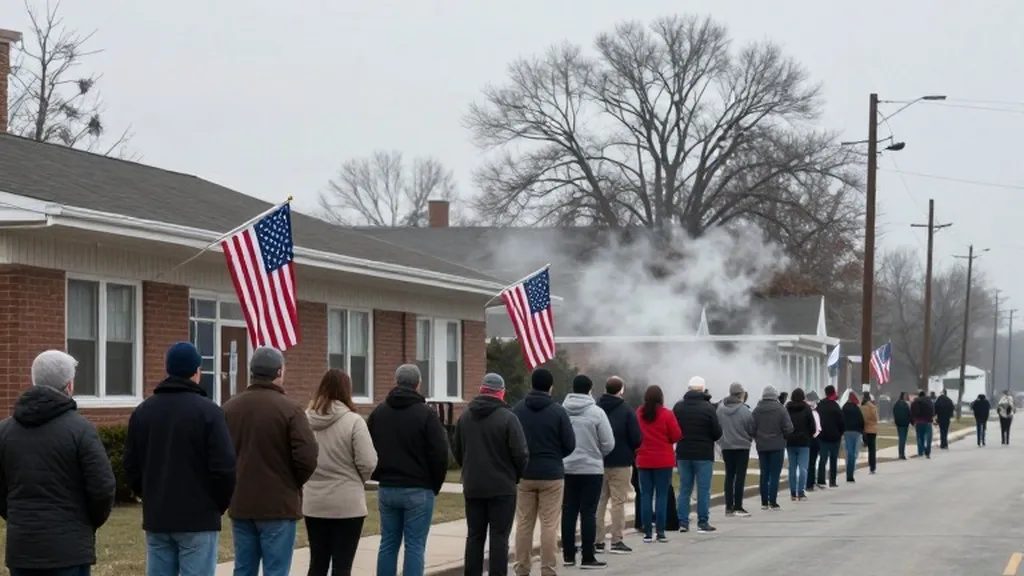
Voter turnout remains the critical variable in these races. RNC Chairman Joe Gruters stated that everything depends on turnout, asserting that if Republicans turn out their voters, they will win. In contrast, DCCC Chair Rep. Suzan DelBene said the American people are angry and want change. As of Monday, more than 57 million people had already voted, surpassing early vote totals from four years ago in many closely watched states. This high level of early participation suggests a deeply engaged electorate, with voters in battleground states like Georgia, Michigan, and North Carolina playing a decisive role. The new congressional maps in six states, including Texas and Florida, may also influence the final tally, though early indicators suggest these districts may not vote as originally drawn.
The election administration has faced its own set of challenges, with a federal judge temporarily barring the administration from a plan to prevent noncitizen voting. Critics argue that this plan risks disenfranchising eligible voters and infringes on state authority. Meanwhile, the U.S. Postal Service has added hours and staff to ensure mail ballots are counted on time. These logistical and legal hurdles underscore the intensity of the moment, with both parties watching closely for any signs of advantage. The results will not only determine the composition of Congress but also the trajectory of national policy on issues ranging from healthcare to foreign affairs.