Voters Face High Prices, Tariffs and the Cost of Living on Election Day
AP-NORC polling shows most Americans blame the president for rising costs, a central theme in key races from Raleigh to Palm Beach.
By Isabel Moretti ·
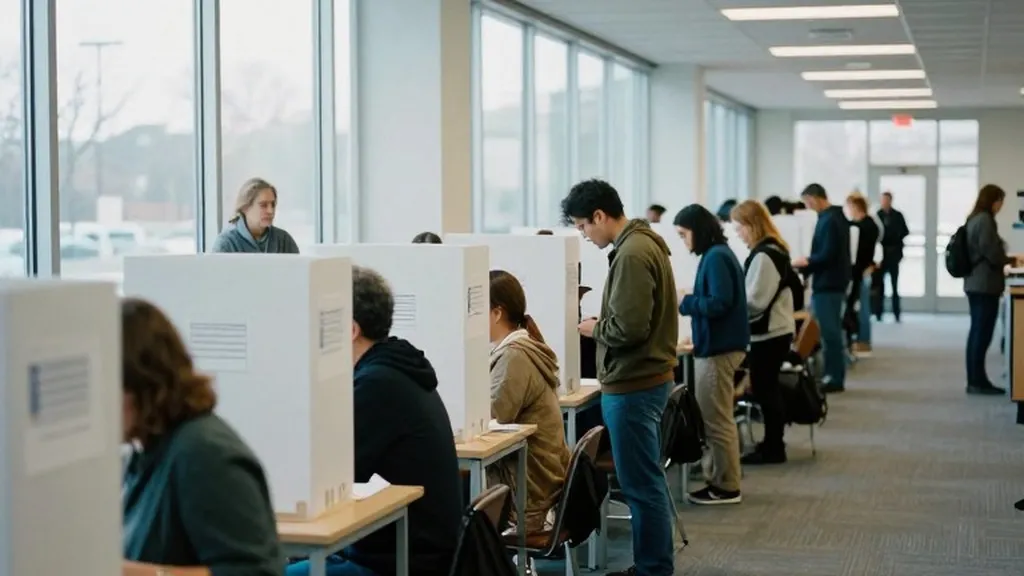
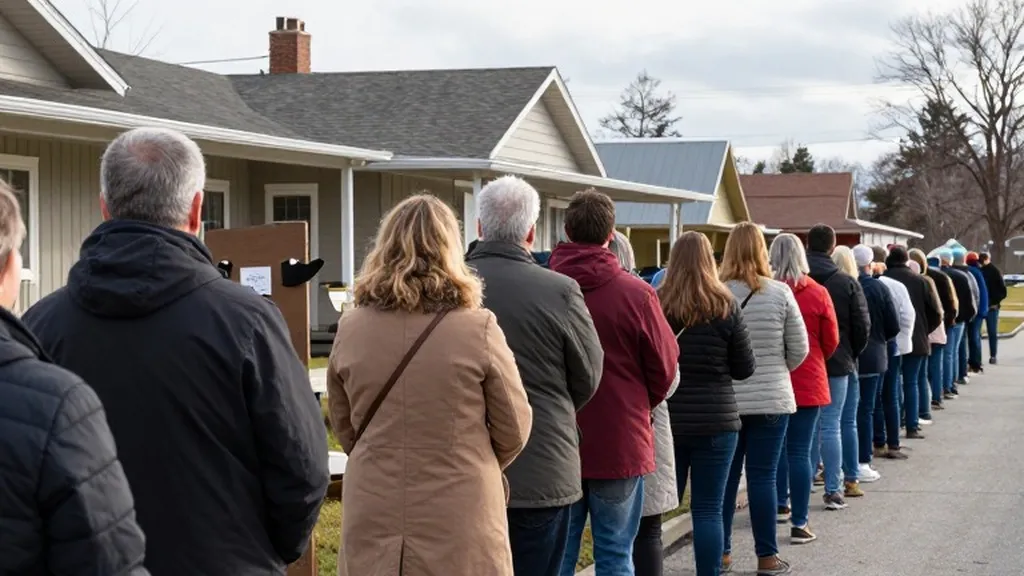
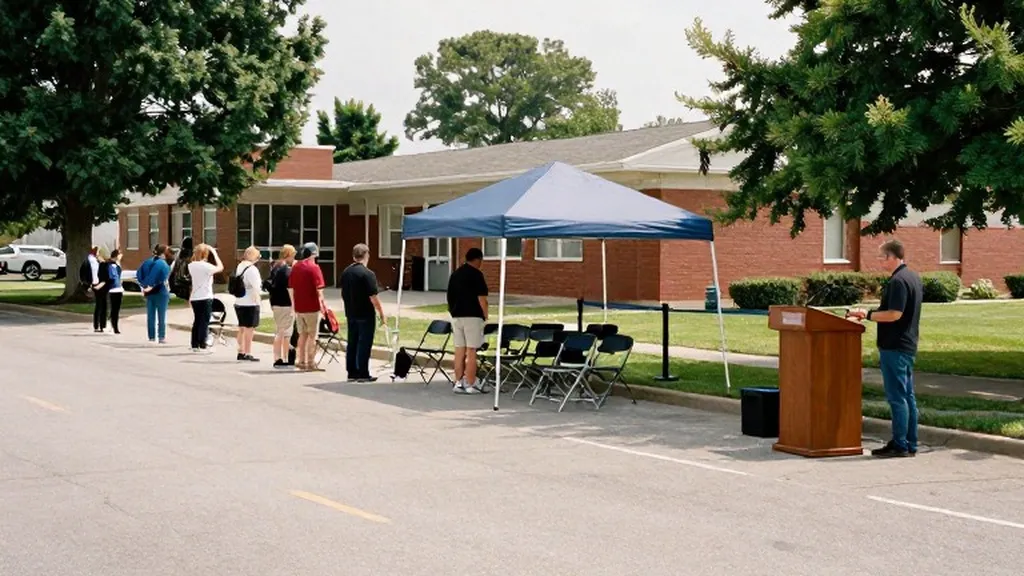
On this Tuesday, November 3, 2026, voters across the United States are casting ballots in midterm elections that will determine the balance of power in Congress for the final two years of President Donald Trump’s second term. The Associated Press describes the day as a referendum on the administration, noting that many citizens are struggling with high prices and are angry over an unpopular war with Iran. For Democratic voters, the cost of living has become the defining issue of the campaign, shaping their approach to the races in the House, Senate, and governorships.
Recent polling by AP-NORC provides a clear snapshot of this sentiment. The survey found that only 35 percent of U.S. adults approve of Trump’s job performance, while just 25 percent approve of his handling of the economy. Approximately seven in ten adults believe the country is heading in the wrong direction, and most of those respondents blame the president for the rise in consumer prices. This economic anxiety is driving turnout and influencing decisions in dozens of competitive districts where the outcome of the midterm will be decided by narrow margins.
The financial burden is a personal reality for many voters in battleground states. In Raleigh, North Carolina, James Moore, a 57-year-old librarian, expressed the frustration felt by many in the state. Moore stated that he is paying more taxes, more for healthcare, and more for everything. His comments reflect the broader Democratic argument that the administration’s policies, including tariffs, have increased the cost of daily necessities for working families. These tariffs have made states like Maine and North Carolina more competitive, as voters weigh the impact of trade policy on their household budgets.
In contrast, some voters in traditionally Republican areas remain supportive of the president. Mark Barker of Palm Beach Gardens, Florida, told reporters that he has been following Trump closely and believes he is doing an awesome job. However, the overall trend in polling suggests that economic dissatisfaction is a powerful force, particularly in districts that voted for Kamala Harris in 2024 but are now leaning toward the Democrats. The AP notes that Republicans were bracing to lose the House, while Democrats remained cautiously optimistic about their chances to gain control of at least one chamber.
The stakes are high for both parties as they fight for a majority in the 119th Congress. Democrats need a net gain of three House seats and four Senate seats to take control of either chamber. If they succeed, investigations and possible impeachment proceedings become likely, and House Democratic Leader Hakeem Jeffries would become the first Black speaker of the House. Jeffries has outlined a 100-day agenda focused on the cost of living and oversight of the administration, signaling a shift toward fiscal scrutiny if his party wins.
Money has played a significant role in shaping the election landscape. The 2026 elections are likely to be the most expensive in history, with Republican committees outspending their Democratic counterparts at the committee level. This spending was bolstered by Trump-affiliated groups and support from Elon Musk. However, at the candidate level, Democrats managed to outraise their opponents. An analysis by the AP of AdImpact data shows that 88.1 percent of Republican general election TV ad spending went to states and districts Trump won in 2024, including more than 850 million dollars in areas where he won by ten points or more.
In key Senate races, the economic narrative is central to the competition. In North Carolina, former Governor Roy Cooper faces former Republican National Committee chair Michael Whatley in a race that has drawn national attention. In Maine, Senator Susan Collins is facing Democratic former state Senate President Troy Jackson, with the AP noting that economic strain and tariffs have made the state competitive. The outcome in these races could determine whether Democrats achieve the four-seat net gain required to take control of the Senate.
The administration has also faced legal challenges regarding election administration. A federal judge temporarily barred the Trump administration from carrying out a plan to prevent noncitizen voting, a move critics say risks disenfranchising eligible voters. The administration also sued in Alaska and California, with Democrats expressing concern about interference and intimidation as the Justice Department threatened to prosecute local election officials. These legal battles have added another layer of complexity to the election day proceedings.
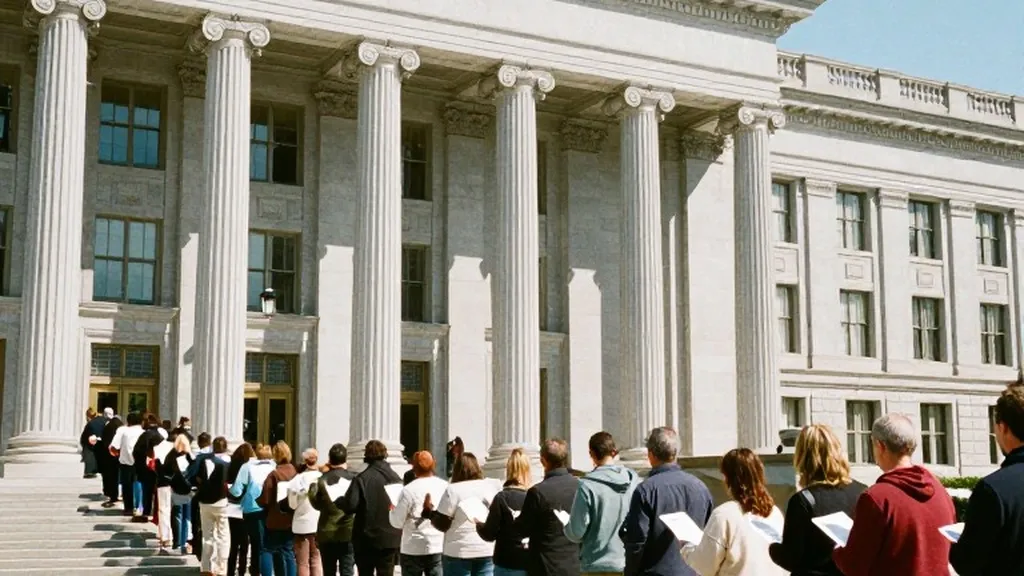
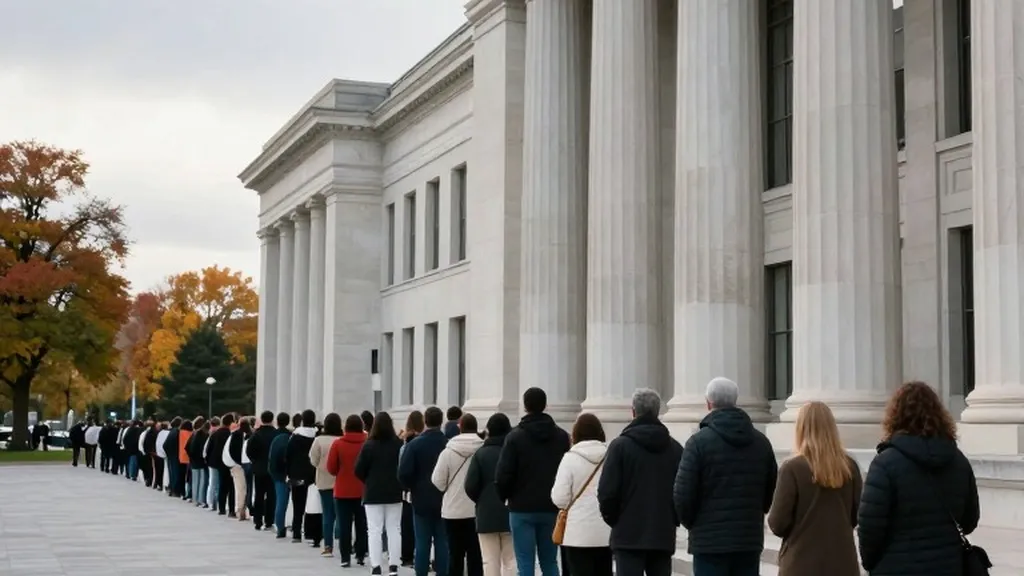
More than 57 million people had already voted as of Monday, surpassing the early vote total from four years ago in many closely watched states. This high level of early participation suggests that voters are engaged with the economic issues at stake. The U.S. Postal Service added hours, staff, and special lines to ensure that mail ballots are counted on time, a critical step in states that rely heavily on mail-in voting. The volume of ballots underscores the importance of the election to the American public.
As polls close today, the focus remains on what the numbers will reveal about the nation’s economic mood. The results will not only determine who controls Congress but also signal the direction of the country’s fiscal policy in the coming years. For Democrats, the goal is to capitalize on voter anger over prices and healthcare costs, while Republicans aim to hold onto their majority by appealing to voters who remain satisfied with the president’s performance. The final tally will provide a clear answer on whether the American public is ready for a change in direction or if they are content with the status quo.