Iran War and Cost of Living Drive Midterm Stakes
Voters weigh the unpopular conflict against economic pain as they decide Congress, with Democrats needing narrow gains to reclaim oversight.
By Lucy Lefebvre ·
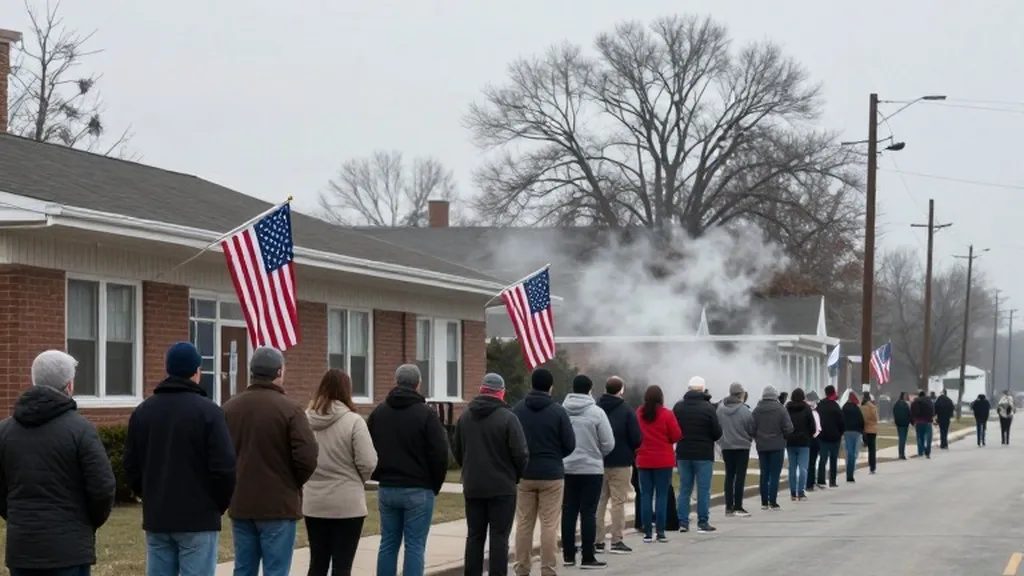
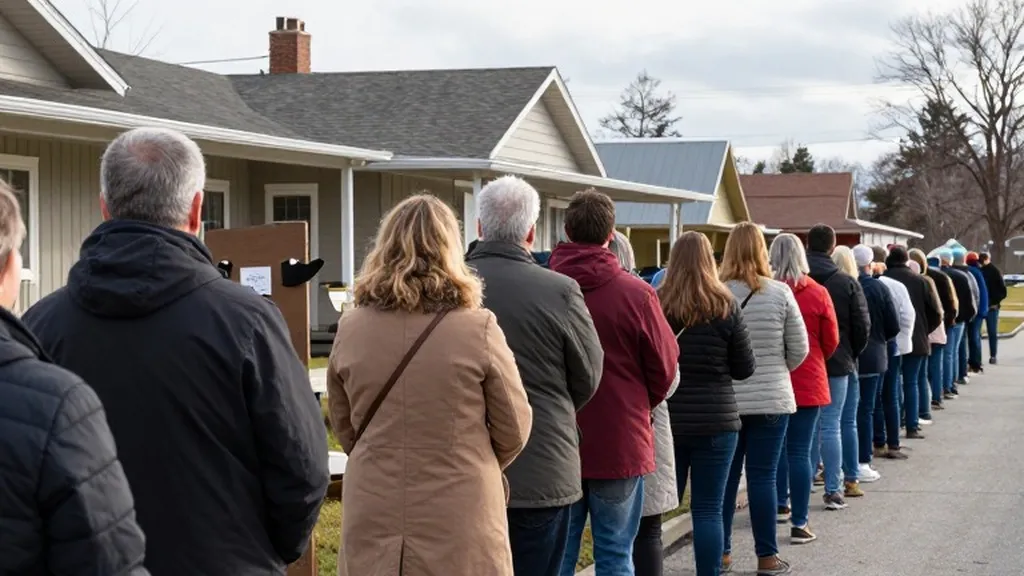
The war with Iran has emerged as a central fault line in the 2026 midterm elections, intertwining with broader economic anxieties to shape the outcome of Tuesday's vote. According to the Associated Press, voters are struggling with high prices and are angry over the unpopular conflict, making this election a direct referendum on President Donald Trump's second term. The administration's handling of the war is now inseparable from the cost-of-living crisis, a combination that has energized Democratic voters while testing the loyalty of the Republican base. As polls open across the country, the decision is not just about party affiliation but about the tangible impact of foreign policy on household budgets.
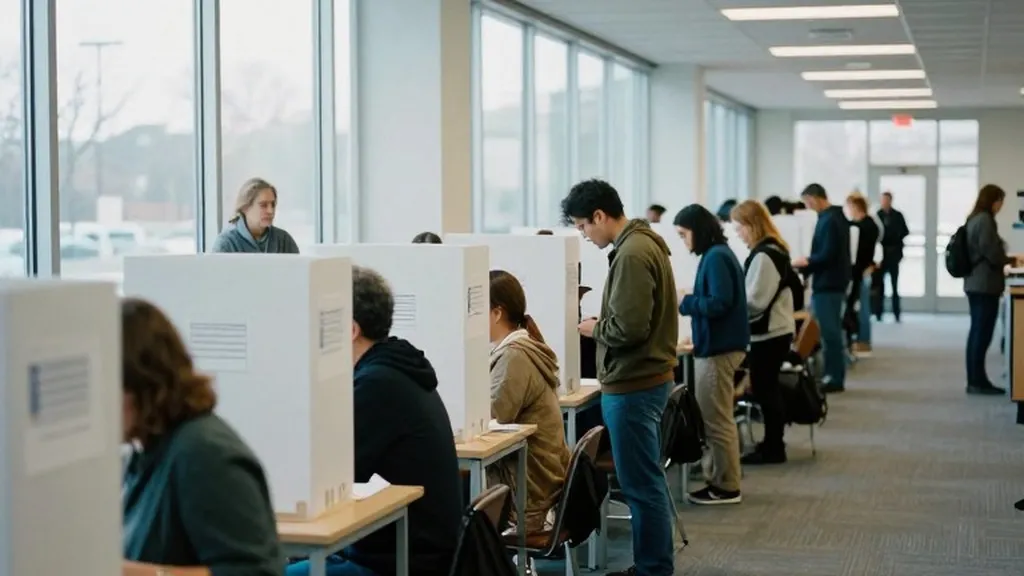
Polling data from AP-NORC indicates that 35% of U.S. adults approve of Trump's job performance, while only 25% approve of his handling of the economy. About seven in ten Americans say the country is heading in the wrong direction, with most blaming the president for high prices. This sentiment is palpable in polling places where voters express frustration over rising costs. James Moore, a 57-year-old librarian in Raleigh, North Carolina, told the AP, "I'm paying more taxes. I'm paying more for my healthcare. I'm paying more for everything." His comments reflect a widespread feeling that the war has exacerbated financial strain, a key theme for Democrats seeking to capitalize on voter dissatisfaction.
Democrats are approaching the day with cautious optimism, driven by the belief that the war and economic pain offer a clear path to reclaiming control of Congress. Rep. Suzan DelBene, chair of the Democratic Congressional Campaign Committee, stated, "The American people are angry. They want change." This mood is particularly strong in battleground states where the war has been a prominent campaign issue. In Maine, for instance, the Associated Press notes that economic strain and tariffs have made the state competitive, pushing it into the toss-up category. The party is counting on this anger to translate into votes, especially in districts that voted for President Trump in 2024 but are now grappling with the consequences of his policies.
The stakes for the U.S. House are precise and unforgiving. All 435 seats are up for grabs, with Republicans holding 218 and Democrats 214, plus one independent and several vacancies. Democrats need a net gain of three districts to secure a majority, while Republicans can afford to lose no more than two. Ballotpedia identifies 46 battleground districts, a number that underscores the razor-thin margin of error in this race. The war has complicated the dynamics in these districts, as voters in states like Georgia and North Carolina weigh the conflict against their local economic realities. In Georgia, Sen. Jon Ossoff faces Rep. Mike Collins in a race that is leaning Democratic, a shift attributed in part to the administration's handling of the Iran situation.
In the Senate, the fight is equally tight, with 35 seats at stake. Democrats need a net gain of four seats to take control, while Republicans can lose only two. The war has influenced the race in several key states, including Ohio, where former Sen. Sherrod Brown is challenging Sen. Jon Husted. The AP notes that the administration's decision to back Republican Attorney General Ken Paxton over Sen. John Cornyn in the Texas primary has added a layer of complexity to that race, where Democrat James Talarico is competing. In Michigan, Abdul El-Sayed is facing Republican former Rep. Mike Rogers, a contest that has become a bellwether for national sentiment on the war and the economy. The outcome in these states will determine whether Democrats can establish the oversight they are demanding.
The Republican campaign has relied heavily on the financial advantages of the current administration, with committees outraising and outspending their Democratic counterparts. This spending has been bolstered by Trump-affiliated groups and significant contributions from Elon Musk. An analysis of AdImpact data by the AP shows that 88.1% of Republican general election TV ad spending went to states and districts Trump won in 2024, including more than $850 million in areas where he won by 10 points or more. This strategy aims to reinforce the president's message that the war is necessary and that economic challenges are temporary. RNC Chairman Joe Gruters emphasized, "Everything depends on turnout. If we turn out our voters, we win, and that's what we've been planning for."
Trump has been actively campaigning, holding dozens of rallies to rally support for his candidates. His final rally before Election Day was held in Salina, Kansas, where he told the crowd, "I really want you to pretend I'm on the ballot." This direct appeal highlights the personal stake the president has in the outcome, as a loss for his party would limit his power for the final two years of his term. Many Republican candidates, however, have kept their distance from the president, seeking to distinguish themselves from the unpopular war and high approval ratings. This tension is evident in states like Alaska, where the Trump administration filed a lawsuit related to the certification of the Senate result, a move that has raised concerns about interference in the voting process.
The war has also played a role in the administration's efforts to secure its legacy, with the Justice Department threatening to prosecute local election officials if they do not comply with federal demands. A federal judge temporarily barred the administration from carrying out a plan to prevent noncitizen voting, a move that critics say risks disenfranchising eligible voters. In California, a judge ordered the administration to stop demanding that election officials segregate ballots cast by people on lists of suspected noncitizens. These legal battles, while focused on voting procedures, have added to the noise surrounding the election, making it harder for voters to focus on the substantive issues of the war and the economy. The AP notes that Democrats fear these actions could lead to intimidation and confusion on election day.