Bovino Defends Minneapolis Action as Surrender
The former border patrol chief argues that the federal withdrawal of agents from Minnesota marked a failure of resolve rather than a strategic retreat.
By Isabel Moretti ·
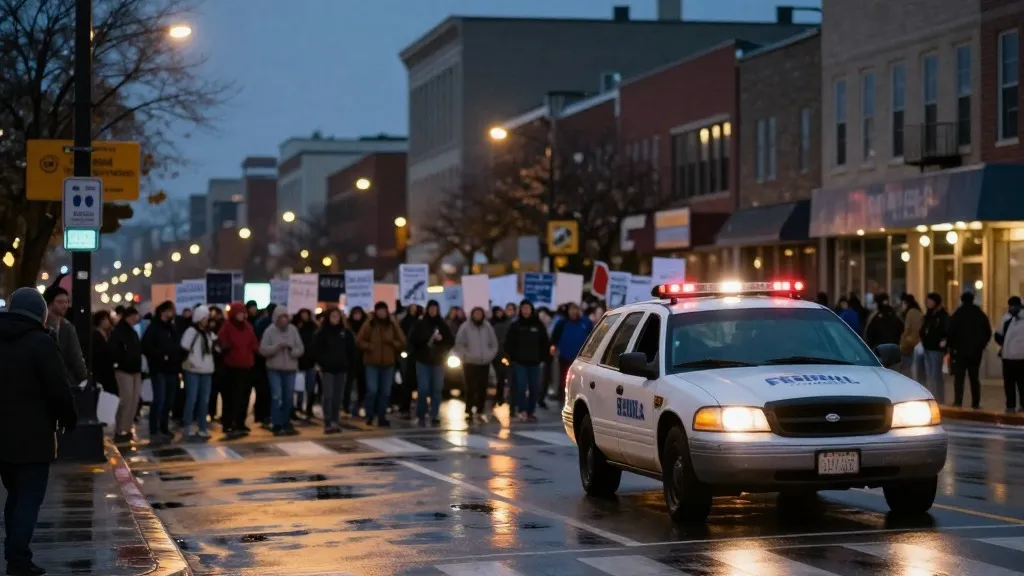
For families in Minnesota who lost loved ones during the intense federal immigration enforcement, the official narrative is shifting. Greg Bovino, the former chief of border patrol who led the operation, now characterizes the recent withdrawal of agents not as a pause for reassessment, but as an act of surrender. He told the BBC that the administration effectively threw in the towel, leaving his officers as the real victims of what he described as unprecedented violence in US law enforcement history.
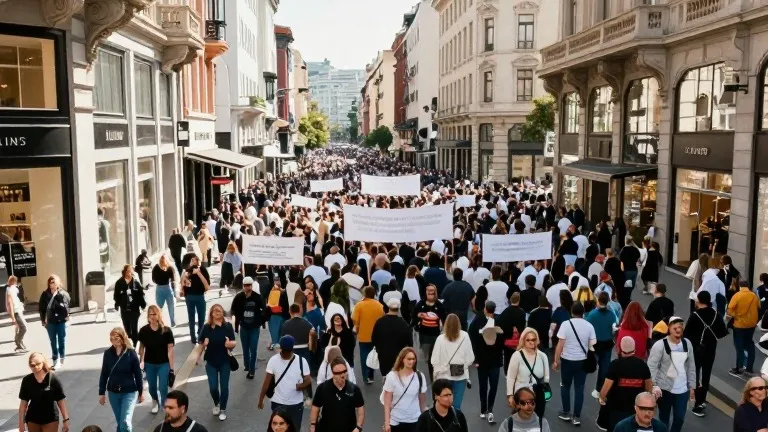
Bovino’s comments offer a sharp counterpoint to the public mood in Minneapolis following the deaths of two US citizens. He claims that deportations have reached a virtual standstill since the pullout, a sentiment that resonates with those who felt the initial crackdown was too slow. By framing the exit as a loss, he reinforces the view among some supporters that the government backed down too quickly under pressure from bipartisan protests and video evidence of the shootings.
The former chief also addressed the legal fallout from the operation. Renee Good and Alex Pretti were shot and killed in January, events that were captured on video and triggered widespread outrage. Bovino dismissed the civil lawsuits filed by Good’s family, stating that he was not responding to them and noting that people file lawsuits all the time. He praised the officers involved, suggesting that the legal actions are a routine part of the job rather than a sign of systemic failure.
However, the family’s legal team did not accept that dismissal. Lawyers representing Good’s relatives, who have filed suits alleging wrongful death and civil rights interference, called Bovino’s remarks propaganda. They argued that he cannot act as judge, jury, and executioner in the matter. The team said they look forward to deposing Bovino and other defendants, including agent Jonathan Ross, to examine their individual roles in the events that led to Good’s death.
Context reveals the rapid political turnover surrounding the operation. Bovino was removed from his post shortly after the January shootings. President Trump later described his decision to pull back as a move to de-escalate a little bit. About 700 agents left the state, and Tom Homan, the White House border tsar, assumed command. Trump’s own language shifted over time, moving from describing Good as violently running over an officer to calling her death a tragedy where agents might make mistakes.
Bovino, now 56 and retired from the border patrol, remains active in the political conversation. Speaking in Detroit, he advocated for total spectrum immigration enforcement backed by the military. He expressed regret for not going harder in Minnesota and arresting more people, a stance that aligns with his claim that 100 million people are in the country illegally, a figure he stated without providing new evidence to support it.
The White House has maintained a different perspective, with a spokesperson claiming that President Trump has delivered the largest reduction in illegal immigration in modern history. Officials noted that more than three million illegal aliens have left the country due to these policies. This official tally stands in contrast to Bovino’s assertion that the process has stalled, highlighting the ongoing debate over the effectiveness and scale of the current administration’s enforcement strategies.
Looking ahead, Bovino has hinted at a potential presidential run in 2028. He suggested that if politicians fail to step up, something might happen, a comment made after he addressed a far-right rally in Michigan. At that event, activists called for the deportation of Abdul El-Sayed, a US-born citizen and Democratic Senate candidate. The prospect of Bovino entering the race adds a new layer to the national immigration debate, placing the former chief at the center of a contentious political future.
For now, the focus remains on the legal proceedings and the political implications of the Minneapolis operation. Bovino’s defense of his actions and his critique of the withdrawal provide a clear narrative for his supporters. Meanwhile, the families of the victims continue to seek answers through the courts, creating a parallel track of accountability that may define the legacy of this enforcement drive for years to come.
Source: BBC News
More Politics · World news · Report a business · Got a Story?