Huitlacoche sells for $18.49 a pound in St. Louis grocery stores
A corn fungus once discarded by farmers is now a high-priced menu item in the Midwest, driven by climate shifts and rising demand among diners.
By Isabel Moretti ·
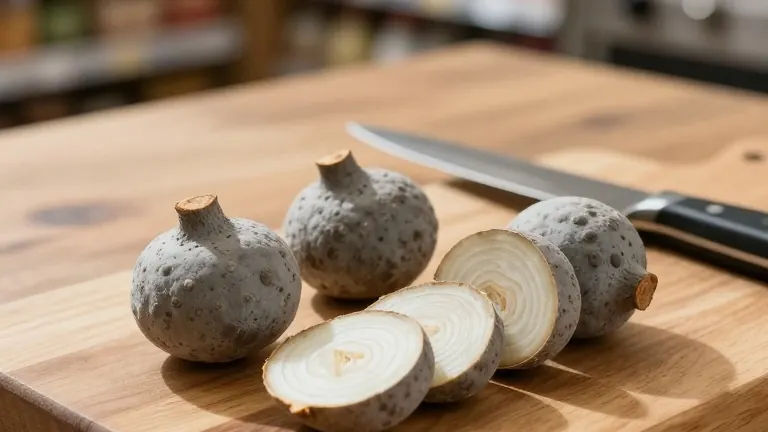
A vegetable broker drove an empty U-Haul for hours along backroads in southeast Missouri to a Mennonite community of 25 families near Fredericktown. His goal was to collect ears of corn infected with huitlacoche, a fungus that turns kernels into gray, bulbous galls. While local farmers previously viewed the growths as a field defect, they now sell the product for $10 per pound. The broker transports the harvest to St. Louis, where it appears on restaurant menus and in independent grocery stores.
Becca Widzer, manager of the independent grocery store Local Harvest, stocked the fungus for the first time this year. She priced the item at $18.49 per pound, making it one of the store’s most expensive produce items. Widzer placed the product near the corn display but noted it could also fit in the mushroom section. She added a sign to explain the item to customers unfamiliar with the ingredient. Despite the high price tag, sales have been steady. Widzer stated that her customer base is generally interested in niche food products.
The fungus, known scientifically as corn smut, forms when a specific fungus reprograms corn cells to divide uncontrollably. Dilip Shah, a scientist at the Donald Danforth Plant Science Center in St. Louis, described the growth as a tumor caused by the fungus. Spores enter the plant through injury or silk. Shah explained that the fungus exploits the plant's weakened immune system, which occurs under hot and dry conditions that stress the corn. Heavy rain following extreme heat allows the huitlacoche to develop rapidly.
Trent Ford, the Illinois state climatologist at the University of Illinois, confirmed that the weather patterns favoring this fungus are becoming more common in the region. Ford noted that average growing season temperatures and humidity levels have increased. He projected that over the next 20 to 30 years, the area will likely experience more years with conditions conducive to fungal growth. This climate shift may allow farmers to generate revenue from a crop defect that was previously discarded.
Adrian Maldonado, executive chef at the upscale Mexican restaurant Malo in St. Louis, serves huitlacoche as part of his eight-course tasting menu. Maldonado buys the fungus directly from the vegetable broker, whom he calls his huitlacoche dealer. He cooks the galls in butter until they turn black, then adds lime and salt. Maldonado said about half of his diners are already familiar with the ingredient. He plans to keep the dish on the menu every summer, citing the growing Latino population in St. Louis as a factor in the increasing demand.
William Esslinger, owner of the Confluence Kombucha taproom in St. Louis, has also incorporated the fungus into his products. He blends sliced huitlacoche with chanterelle-based kombucha to create a new beverage flavor. Esslinger said the product requires a few days to prepare before it is ready for service. He described his approach to introducing new ingredients as meeting people where they are, using humor to overcome initial hesitation. Esslinger views the product as a way to preserve culinary stories that might otherwise be lost when farmers throw the infected ears away.
The Mennonite farmers in southeast Missouri continue to find the blue-tinged growths in their corn plots. Ephraim Brubaker, the market manager at the Home Gardens Community Market, said the community previously avoided the fungus in the field. The shift in perception has turned a crop problem into a source of income. The broker continues to make trips to the region to collect the seasonal delicacy for distribution in the St. Louis area.
Source: KWMU
More Business · Consumer Alerts · Report a business · Got a Story?