Polar Train LNG Leadership Exits Amid Russia Funding Disputes
Key executives have left the massive Alaskan gas project after claiming that Russian firm Novatek controlled operations before receiving proper US approval.
By Lucy Lefebvre ·
The energy sector has long grappled with the complexities of international partnerships, but few deals have drawn as much scrutiny as the proposed Alaska gas export hub. This week, a report from the Financial Times revealed that nearly the entire management team of Polar Train LNG has departed the company. The exit follows serious allegations that Russia’s Novatek secretly financed and controlled the project before the necessary US sanctions approvals were secured.
The first key point centers on the concerns raised by former chief executive Joel Riddle. Riddle told the newspaper that he was uncomfortable with the level of influence Novatek held over the venture. He stated that the Russian company was funding the project and directing its strategic direction before the US Treasury Department granted permission for negotiations. Riddle resigned in September, and he was followed by chief financial officer Dan Chandra and other senior executives.
The second key point involves the source of the initial funding. Riddle said he originally believed the money was coming from Gentry Beach and Tech Wave, an Abu Dhabi-based firm. Both entities had ties that made them seem like plausible backers. However, Riddle later learned that Beach had not actually invested in the project. Beach was neither a shareholder nor an executive, a detail that contradicted the earlier understanding of the deal’s financial structure.
The third key point highlights the evidence provided to the Financial Times. The newspaper reviewed WhatsApp messages in which Denis Solovyov, a Novatek board member, discussed the financing of the project. In these communications, Solovyov pressed for a faster transfer of funds to Polar Train LNG. These messages suggest a level of operational control that may have predated the formal legal agreements between the parties.
Polar LNG has pushed back against the narrative. The company stated that Riddle had been dismissed and described him as a disgruntled employee. Polar LNG insists that the project is being developed in strict accordance with US law. Novatek also responded to the reports. The Russian firm said it had agreed to allow Tech Wave to use its technology in Alaska. It noted that it signed a memorandum with Polar Train in April, a time when Riddle was still leading the company.
The project is part of a larger strategic conversation between Washington and Moscow. People who spoke to the Financial Times said the deal came up in talks about business arrangements that could help end Russia’s war against Ukraine. The discussions reportedly included a potential swap. In this scenario, Novatek would provide expertise for building the Alaska terminal, and in return, sanctions on Russia’s Arctic LNG 2 project would be lifted.
The backstory of this deal dates back to February 2026. At that time, reports indicated that Gentry Beach, a university friend of Donald Trump Jr., had announced an agreement with Novatek regarding an Alaskan gas project. More recently, on October 9, reports emerged that Russia was seeking sanctions relief as part of negotiations for an energy ceasefire with Ukraine. The current exodus of executives adds a new layer of complexity to these ongoing diplomatic and economic discussions.
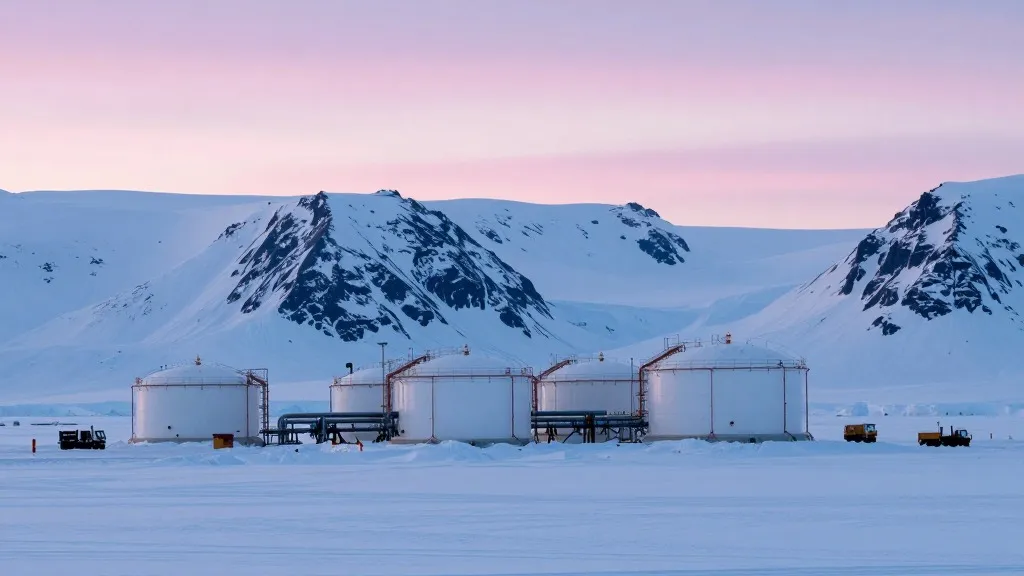
The project itself is ambitious. Polar Train LNG is developing an export terminal in northern Alaska. The plan was launched in March and involves taking a partially built Novatek terminal and relocating it to Alaska. The venture is valued at twenty-five billion US dollars. With the leadership changes and the public debate over funding sources, the future of this major infrastructure project remains uncertain as stakeholders work to clarify the legal and financial details.
Source: Ukrainska Pravda
More Business · World news · Consumer Alerts · Report a business · Got a Story?