Tesla sets year-end deadline for first Cybercab deliveries
Tesla executives confirmed during an earnings call that customers can expect to purchase the autonomous two-seater before the end of 2026, though most units will initially join the company's robotaxi fleet.
By Noor Rossi ·
Tesla has finally put a specific date on when the Cybercab will be available for purchase, with the company aiming to have units in customer hands before the end of 2026. This announcement puts a stop to months of speculation regarding the timeline for the fully autonomous vehicle, which has been a central focus of the company's future product roadmap.
During the third-quarter 2026 earnings call held on October 21, Vice President of Engineering Lars Moravy provided the definitive timeline. He stated that the company is targeting the delivery of the purpose-built robotaxi to customers by the close of the current year. While the goal is clear, Moravy noted that production is currently underway at the Gigafactory in Texas, with all units manufactured at this stage being directed to Tesla's internal Robotaxi fleet rather than being sold directly to the public.
The initial rollout will be modest as the company navigates the complexities of delivering a vehicle that operates without a steering wheel or pedals. Moravy explained that Tesla will start with a small number of customer deliveries to gain experience in several key areas. These include the logistics of handover, defining ownership models, managing the fleet, and operating autonomous vehicles outside of the company's direct control. This phased approach allows the engineering team to iron out potential issues before scaling up sales significantly.
CEO Elon Musk reinforced the idea that private ownership will not be the primary use case for the Cybercab. He described the vehicle as a "transport-as-a-service" offering, distinguishing it from traditional personal vehicles like the Model 3, Model Y, or the upcoming Roadster. According to Musk, the vast majority of Cybercab units will remain owned by Tesla, serving as part of its robotaxi network rather than sitting in private driveways.
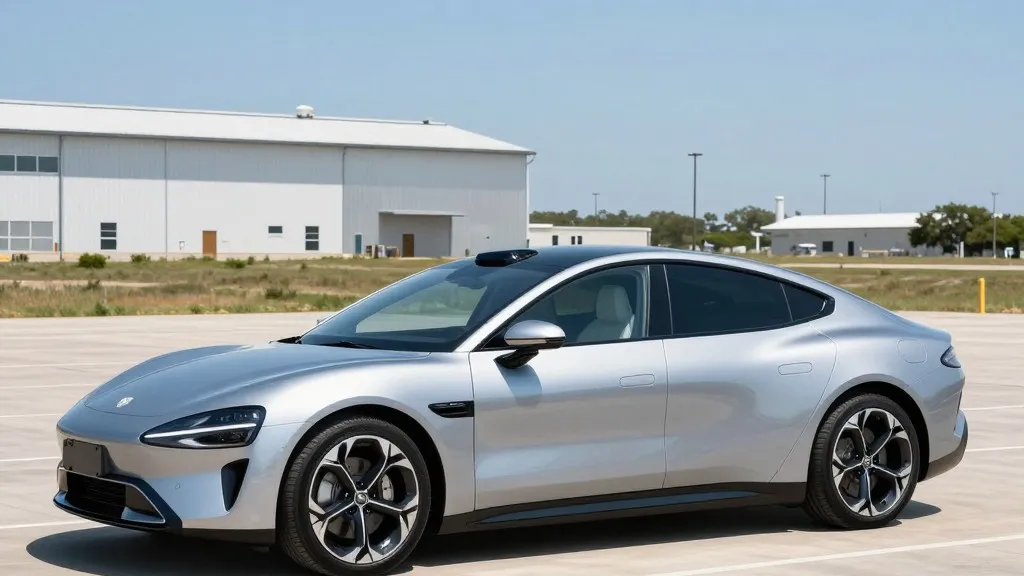
The Cybercab is a two-seater design that relies entirely on Tesla’s Full Self-Driving software suite. There is no steering wheel or foot pedals, making it a stark departure from the company's existing lineup. Production of the vehicle began in February of this year, and early units were integrated into the robotaxi service in early September. This coincided with the launch of public rides, marking the first time consumers could experience the autonomous technology in a real-world setting.
Pricing for the vehicle has also been established, with Tesla indicating an aim of selling the Cybercab for approximately $30,000. This price point positions the vehicle as an affordable entry into autonomous mobility, though its primary function remains tied to the company's fleet operations. The lower cost is expected to make the technology more accessible while supporting the broader transport-as-a-service model that Musk outlined.
Looking ahead, the rollout of unsupervised Full Self-Driving to consumer cars is expected to occur during the second quarter of 2027. Ashok Elluswamy, Tesla’s Head of AI, indicated this timeline during the same earnings call. This suggests that while the Cybercab will be available for purchase this year, the broader adoption of fully autonomous driving in other Tesla models is still a year away. The staggered release allows the company to focus on perfecting the dedicated robotaxi before expanding the technology to its other product lines.
However, some hurdles remain before the first Cybercabs reach private customers. Regulatory agencies may still be catching up with the rapid pace of deployment, which could lead to geographically restricted operations for early buyers or fleet operators. This means that even if a customer purchases a unit, its ability to drive autonomously in certain areas might be limited initially. The company must balance the push for rapid delivery with the need for regulatory compliance across different jurisdictions.
For customers in Texas and the South Central states, the proximity to the Gigafactory where production is taking place is a significant factor. The region is at the heart of Tesla's manufacturing for this specific model, which may influence early availability and support logistics. As the company moves from internal fleet deployment to customer handover, the focus shifts to ensuring that the ownership experience matches the promise of seamless, autonomous transportation.
The confirmation of a year-end delivery date marks a major milestone for Tesla's autonomous vehicle strategy. It moves the Cybercab from a conceptual project to a tangible product with a set release window. While the initial volume will be low, the announcement sets the stage for a more widespread rollout in the coming years, potentially reshaping how people think about car ownership and urban transportation.
Source: Teslarati · original report published
More Business · Consumer Alerts · Report a business · Got a Story?