Apple's $1,999 folding iPhone Duo launches with Touch ID and software gaps
The new device features a 7.6-inch inner display, rear-facing front cameras, and specific repair costs for its unique screen finish.
By Noor Rossi ·
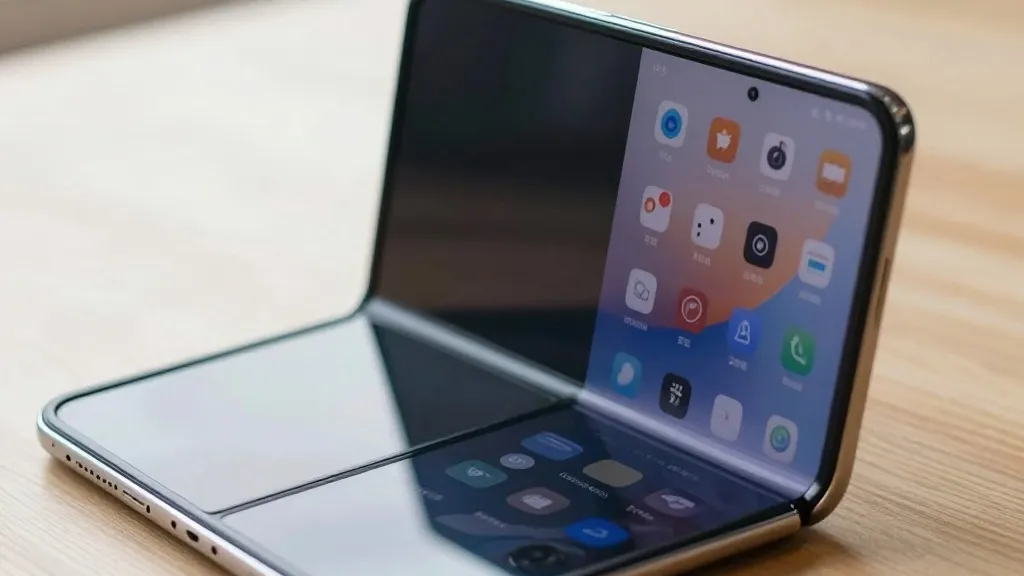
Apple has released the iPhone Duo, the company's first folding smartphone, at a starting price of $1,999. The device launches seven years after Samsung introduced the Galaxy Fold. Early reviews describe the hardware as a well-refined entry into the foldable category, but the software experience remains uneven for many users.
The Duo features a 5.4-inch outer screen and a 7.6-inch inner display. This new form factor creates compatibility issues for third-party applications. While Apple's own apps are redesigned for the device, many external apps appear as narrow strips with black bars on the sides. Slack, Instagram, DoorDash, and WhatsApp have received updates for iOS 27.1, though Instagram still shows broken interface elements. Apple has also moved navigation controls to the right side of the screen instead of the bottom center.
The device marks a departure from recent iPhone design by dropping Face ID. Apple uses Touch ID, with the sensor located on the right side. This is the first time the fingerprint sensor has appeared on a flagship iPhone since its removal from the main lineup, though it remains on the iPhone SE, iPads, and MacBooks. The Dynamic Island is relocated to the top-right edge of the outer display.
Physical accessories require adjustment. The phone supports MagSafe, but the uneven weight distribution causes it to tip when unfolded and attached to car docks or tripods. Magnetic wallets fit the device, but they extend past the bottom edge because the Duo is shorter than standard iPhones. Apple has not provided an official accessory to solve this issue.
Camera functionality offers new options for users. The device allows users to take selfies using the higher-quality rear cameras while previewing the image on the outer screen. A control labeled 'Slide to show camera' moves the full camera interface to the outer display, disabling the inner screen to prevent accidental touches. Additional features include 'Duo Preview,' which shows the viewfinder to the person being photographed, and 'Kids Cue,' which displays animations on the outer screen.
Multitasking on the inner display allows users to run two apps side by side. Dragging an app to either side of the screen enables this layout. Tapping the middle bar locks the two applications as a pair, making them accessible from the Recent apps menu. Users cannot save this pair as a single icon.
Repair costs are specific to the device's unique screen. The inner display has a matte nano-texture finish that Apple describes as an integral component. The company warns users not to remove this finish, as doing so may void the warranty. Apple states that a damaged finish can be replaced for $19 at an Apple Store or authorized provider. If the device is out of warranty, the cost is $49. A cracked inner display costs $999 to repair without AppleCare+.
Future software updates will add more functionality later this year. A forthcoming update will include Reachability, which shifts apps to the left or right rather than pulling them down. Another update will add support for the USB-C Apple Pencil. This stylus is designed to work with the nano-texture screen for writing and drawing, but the phone has no physical slot to store the device.
Source: Wired