Upward app revamps features to push young singles toward marriage
Match Group targets 72% of Gen Z who cite marriage as a goal, adding courtship tools and dropping its exclusive Christian focus.
By Lucy Lefebvre ·
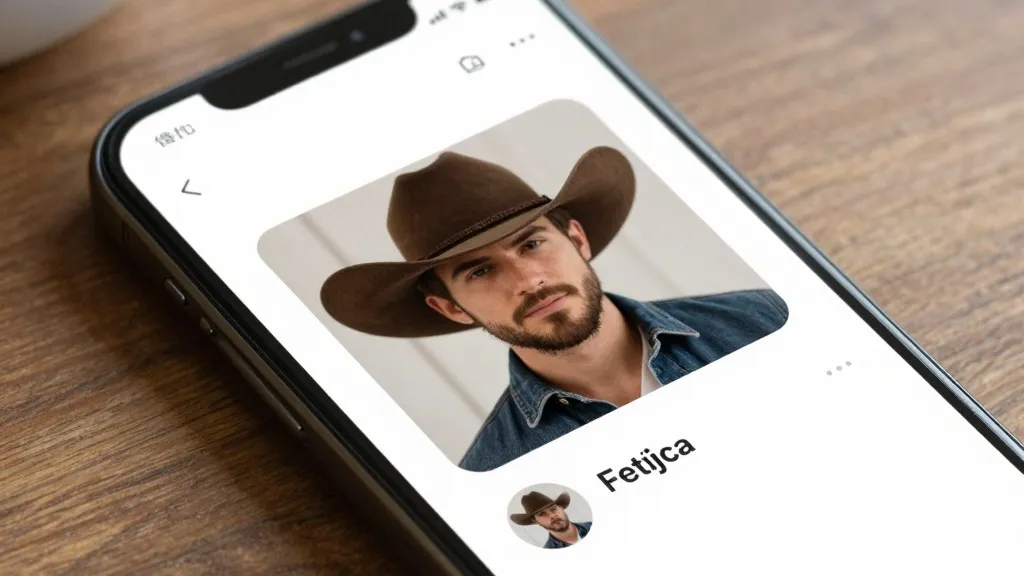
Match Group has rebuilt its Upward app to capture young singles who prioritize traditional courtship, betting that a large portion of Generation Z still intends to get married. The platform, which launched in 2020 as a space for Christian daters, now welcomes users who value family and community regardless of their specific faith background. This shift aims to tap into a demographic that companies previously overlooked for niche dating services.
The company’s strategy rests on data from its 2026 Singles in America study. The survey found that 72 percent of Gen Z respondents want to marry. Additionally, one in four singles between the ages of 18 and 34 identified with traditional values regarding family, faith, and community. Lauren DeFord, Match’s director of brand marketing, described the change as a brand shift designed to include people who share these goals without a strictly faith-first mindset.
The relaunched app retains its swipe-based interface but introduces features designed to structure dating. Chivalry Mode encourages men to send the first message, echoing a format Bumble used in the past. A Marriage Timeline feature allows users to state when they hope to wed. Users can also add a Faith Statement to their profiles. Match frames this as the home of modern courtship, using Western-style imagery in its Wanted: For Life campaign.
Skeptics argue the app ignores current trends in young adulthood. Daniel Cox, a sociologist at the Survey Center on American Life, notes that Gen Z is navigating a culture with fewer clear norms for dating. He points to a 44 percent rate of Gen Z men with no teen relationship experience. Cox views the traditional model as a reaction to the lack of scripts in modern dating, though he believes it may not suit all young people. Other data suggests marriage is less central to young adults' lives than friendships.
Early users report a mix of frustration and confusion. Adreanna Pulliam, a 25-year-old opera singer in Bloomington, Indiana, found the user base included men with specific conservative profiles and odd listing options. She noted that the app allows married people and those with complicated relationship statuses to join. Tauti, a social work student in California, left the platform within two days, saying it turned her off Christian dating. Heidi Marais, a teacher and single mother, questioned why agnostics are permitted on the app.
Match Group has not released active user numbers for the relaunched app. The platform has received complaints about functionality and automatic bans since its inception. One App Store reviewer described the experience as janky. Pulliam believes the app could find a niche among students at Christian private universities, but she suggested it may appeal primarily to users with a narrower mindset. The company maintains its survey of 5,000 unmarried US singles is demographically representative.
Source: Wired