Humanoid Robotics: Tesla’s Optimus Timeline Slides to 2027 Amid Hardware Hurdles
Tesla has pushed the launch of its Optimus robot to late 2027, citing unresolved issues with hand mechanics and AI reliability, while competitors like XPeng and Boston Dynamics accelerate their own deployment schedules.
By Lucy Lefebvre ·
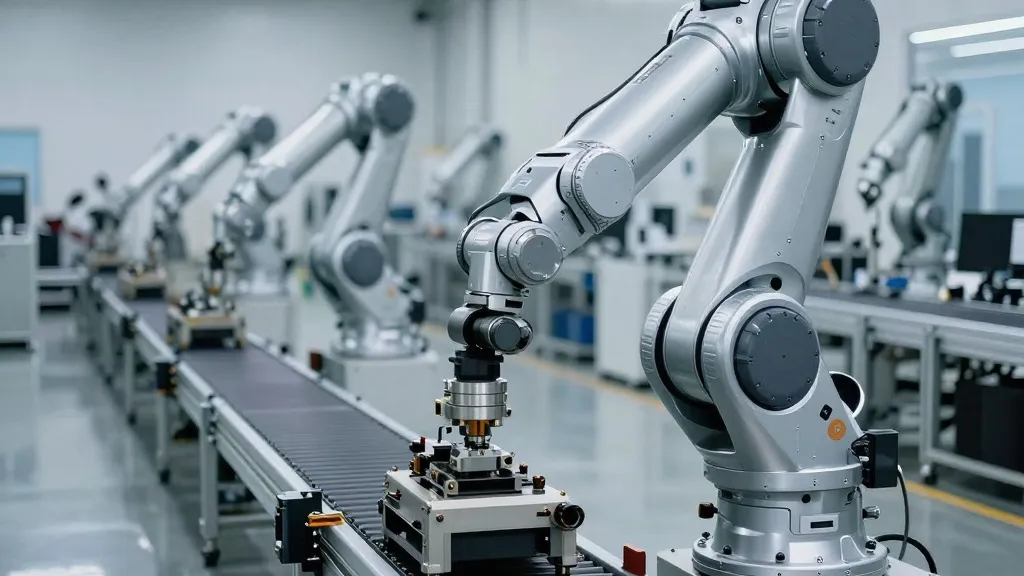
The race to bring general-purpose humanoid robots into industrial workspaces has entered a phase of recalibration, with major players adjusting their expectations regarding when these machines can perform reliably outside of controlled environments. For Tesla, this means a significant shift in the projected rollout of its Optimus line, moving the target for external deliveries further into the future than previously anticipated.
During the company’s third-quarter 2026 earnings call, CEO Elon Musk stated that Tesla expects to begin delivering Optimus units to outside customers around the end of 2027. This update follows a period of internal testing and early production runs, but it signals that the technology is not yet ready for widespread commercial release. The delay is attributed to ongoing challenges in three specific areas: the robot’s dexterity, its long-term durability, and the sophistication of its artificial intelligence.
The numbers behind the production effort remain ambitious, though the path to volume is longer than expected. Tesla has installed most of a manufacturing line at its Fremont facility, a site formerly dedicated to Model S and Model X vehicles, with the capacity to produce approximately one million robots annually. This equates to roughly 20,000 units per week. However, Musk acknowledged that reaching this peak output will take at least a year, potentially longer, because the design specifications are still in flux. The company is currently producing early units on this high-volume line, with the first batch described in recent shareholder communications as the first to meet production-quality standards.
The individuals driving these developments face specific technical bottlenecks that have plagued the industry. A Tesla Optimus engineer identified the hand as one of the most difficult hardware components to perfect, noting that it contains custom gears with persistent reliability concerns. Musk agreed, explaining that the fingers must be soft enough to handle delicate objects yet durable enough to withstand constant wear, a challenge compounded by the fact that robots cannot regenerate skin or tissue like humans. On the software side, the company is working through architectural issues in its AI system, which currently lacks the massive fleet of data-generating robots that its vehicle fleet provides for its Full Self-Driving program.
To address the AI data gap, Tesla plans to construct between 10,000 and 20,000 robots to practice tasks in a facility dubbed the Optimus Academy. Additionally, the company intends to integrate its AI5 chip into the robots by April 2027. Musk promised a video within the next month or two demonstrating the robot performing unscripted tasks, arguing that many current industry demos rely on pre-programmed routines that would fail in real-world conditions. He maintained that, to his knowledge, no other company is even close to Tesla’s progress in general-purpose humanoid robotics.
The stakes for Tesla are high, as its timeline has slipped multiple times since 2024, when Musk initially predicted internal use in 2025 and high-volume external sales in 2026. The current delay aligns the company’s schedule with its competitors, who are also facing similar challenges. XPeng, for instance, activated an automated production line for its IRON robot in Guangzhou in September, with over 80% of core processes automated. XPeng plans mass production by the end of 2026 and deliveries in the first half of 2027, targeting stores and malls before a European rollout later that year.
Meanwhile, Boston Dynamics has taken a different approach, prioritizing industrial utility over human-like dexterity. The company began producing its electric Atlas robot in January, and all 2026 deployments are already committed, including partnerships with Google DeepMind. Boston Dynamics opened a training center at Hyundai’s Metaplant in Georgia in September, where Atlas is learning to sequence car parts. Hyundai plans to deploy 25,000 robots across its plants in the coming years, and the company recently hired Milan Kovac, Tesla’s former head of Optimus, in January.
The broader implications for the robotics industry suggest that while building the physical form of a robot is achievable, making it useful and reliable remains the primary hurdle. Tesla’s competitors are not merely watching but actively deploying machines in real-world settings, such as car factories and retail spaces. For Tesla, the coming months will be critical in proving that its Optimus can handle unscripted tasks, a feat that has eluded the company in previous years. If the upcoming video shows genuine autonomy, it could validate the late-2027 timeline; otherwise, the pattern of delays may continue to test investor patience.
As AI and robotics place increased demands on power grids and electricity rates, the efficiency of these machines becomes a key factor in their economic viability. The industry is moving away from scripted demonstrations toward practical applications, with the hand and forearm mechanics remaining the central technical challenge for all major players. Whether Tesla’s Optimus can overcome these hurdles to deliver on its promise of dangerous, repetitive, or around-the-clock industrial work remains to be seen, but the competitive landscape is undeniably tightening.
Source: Electrek · original report published