Midterm Diplomacy: U.S. Embassy Cites Canadian Actions While Trump Backs Foreign Candidates
Ottawa disputes new interference claims as the White House faces questions over its own pattern of supporting rivals abroad.
By Lucy Lefebvre ·
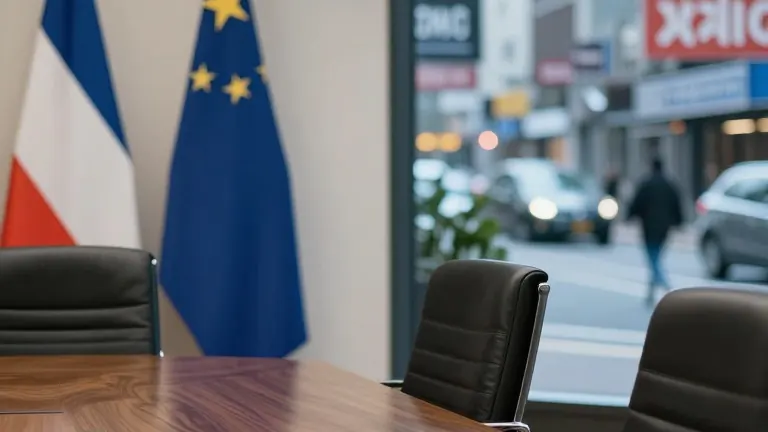
The U.S. Embassy in Ottawa released a fact sheet on Wednesday listing four Canadian actions it believes may have influenced the upcoming U.S. midterm elections.
The diplomatic note cites specific instances of political engagement by Canadian officials leading up to the November 3 vote. These include Liberal Member of Parliament Anthony Housefather canvassing for a Florida Democratic primary candidate and comments made by Industry Minister Mélanie Joly regarding Canada's counter-tariff strategy. The embassy also pointed to a Ronald Reagan advertisement run by the Ontario government and a federal billboard campaign launched in early 2025.
Prime Minister Mark Carney rejected the premise of the report during a news conference in Istanbul on Friday. He stated that there was no merit to the claims and expressed disappointment that the U.S. ambassador viewed making such suggestions as part of his role. Carney noted that the trade conflict has become a focal point for Republican candidates in border states, where opponents are criticizing the administration's tariff policies.
The timing of the embassy's release contrasts with the public record of the current U.S. president. Since returning to the White House in early 2025, Donald Trump has endorsed candidates in Poland, Honduras, Colombia, and Japan. He recently voiced support for Israeli Prime Minister Benjamin Netanyahu and backed the failed re-election bid of Hungarian Prime Minister Viktor Orbán. Trump also suggested that financial support for Argentina would depend on the election results for President Javier Milei's party.
Daniel Drezner, a professor of international politics at Tufts University, described the situation as the pot calling the kettle black. He noted that the administration has a long history of intervening directly in the elections of its allies. Drezner argued that while Housefather's canvassing may be slightly unusual, other cited actions like meetings between Joly and American politicians represent standard diplomatic practice.
Former U.S. Ambassador to Canada James Blanchard told Rosemary Barton Live that the current administration lacks credibility in making these accusations. He stated that he would take the claims seriously if they came from the Reagan, Bush, Obama, or Clinton administrations, but not from the current one. The embassy declined to comment when asked if a similar endorsement by a Canadian official would be considered potential interference.
Republican Senator Susan Collins of Maine, who represents a border state, said on Friday that she secured exemptions from recent levies. She pledged to continue working with administration officials to seek additional relief. In Michigan, Republican candidate Mike Rogers released an advertisement earlier this month stating that Canada is not an enemy and that the tariff war needs to end.
Trump officials have also shown interest in Canadian internal politics. Treasury Secretary Scott Bessent said in January that Alberta would make a natural partner for the U.S. in the context of a separation referendum. The Globe and Mail reported that Republican operatives were on the ground in Alberta earlier this year to support the separatist campaign. Carney said he does not expect the administration to blame Canada for poor midterm results or impose new tariffs.
Source: CBC News