US Envoy Signals Support for Syria Government in Suwayda Dispute
Washington and Israel hold diverging views on the southern province, creating a diplomatic rift over the fate of the Druze community.
By Lucy Lefebvre ·
Tom Barrack, the US special envoy to Syria and Iraq, indicated on Friday that Washington favors direct control by the Syrian government over the southern province of Suwayda. His remarks signal a clear point of friction between the United States and Israel regarding the stability of the region following the collapse of Bashar al-Assad's regime in December 2024.
Barrack spoke with Australian X personality Mario Nawfal about the situation in the Druze-majority governorate. He referenced Hikmat al-Hijri, a leading political and religious figure in the area, as a specific point of contention. Many observers interpret this comment as a message to Israel, which has historically sought to build influence among Suwayda's Druze population.
The National Guard, a Druze armed group linked to al-Hijri, has faced accusations of receiving support from Israel. Critics argue the group pursues separatist ambitions that complicate the central government's efforts to consolidate power. Israel has previously attacked Syrian ministries and soldiers while attempting to gain favor with local leaders who oppose the new administration in Damascus.
Navvar Saban, a researcher in security and military affairs at the Arab Center for Contemporary Syrian Studies, noted that Barrack's message was explicit. He stated that Israeli backing for al-Hijri does not equate to American support. According to Saban, Washington prioritizes an agreement with Damascus while Israel maintains its own security demands.
The divergence in strategy stems from differing views on the new Syrian leadership. President Donald Trump has developed a strong relationship with Ahmed al-Sharaa, the current president of Syria. Trump views instability as a threat to a country rebuilding after 13 years of war. In contrast, Israeli Prime Minister Benjamin Netanyahu has maintained a more confrontational stance, seizing land in Quneitra governorate and other strategic areas immediately after the Assad government fell.
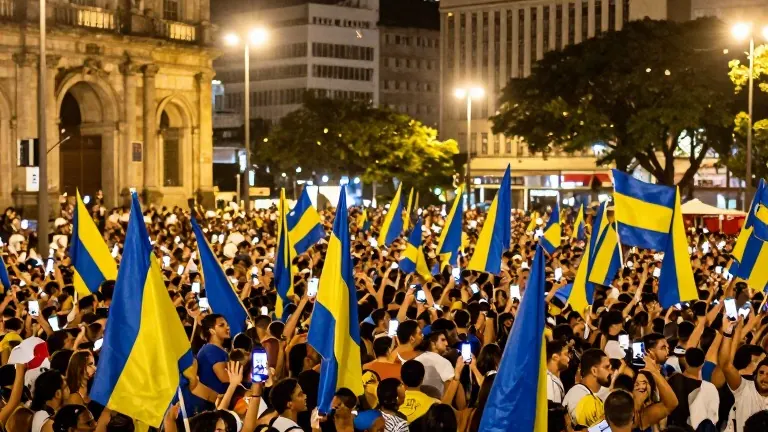
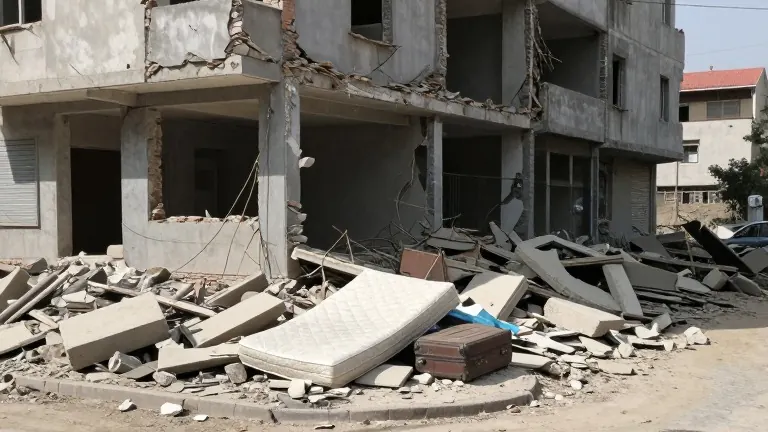
Tensions in Suwayda escalated in July 2025 when fighting between Bedouin tribes and Druze residents turned into deadly sectarian killings. Forces reportedly connected to the government joined the conflict on the side of the Bedouins. Although violence occurred on both sides, casualties were overwhelmingly among the Druze population.
Israel intervened during the fighting, claiming it was attacking Syrian government forces entering the province. Since that incident, Israel has reportedly offered protection to al-Hijri and other local figures. Nanar Hawach, a Syrian analyst who visited Suwayda in September, said this approach keeps the province reliant on Israeli protection while preventing a stable future.
Hawach argued that Israel uses Suwayda as a lever against Damascus. He noted that Israel provides enough support to maintain influence but too little to secure long-term stability. This strategy revives wartime grievances between Syrian communities, which complicates any future arrangement between the two nations.
A trilateral agreement signed in Amman in September 2025 called for an independent international commission to investigate the events of July 2025. The deal stipulated that perpetrators would be brought to justice. However, the situation remains in a deadlock, with many residents in the province lacking trust in the central government.
Hawach observed that distrust has hardened because Damascus has pressured local leadership to reassert control. Residents feel this pressure through changes in salaries, children's exams, and access to the capital. Saban added that a durable settlement requires credible accountability for the 2025 killings. He emphasized that neither weakening al-Hijri nor restoring government institutions alone will rebuild trust without guarantees for movement, education, and security.
Source: Al Jazeera