Serbia's New Government: Domestic Repairs Take Priority Over Foreign Shifts
Experts warn that the new Student List administration will focus on overhauling captured institutions before changing its stance on neighbors or global powers.
By Isabel Moretti ·
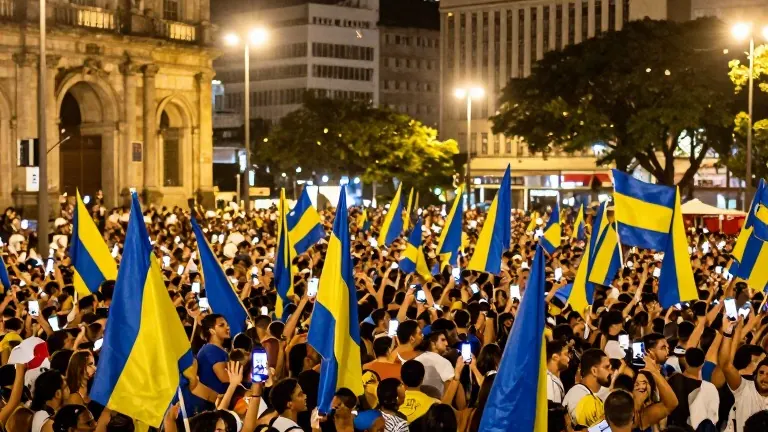
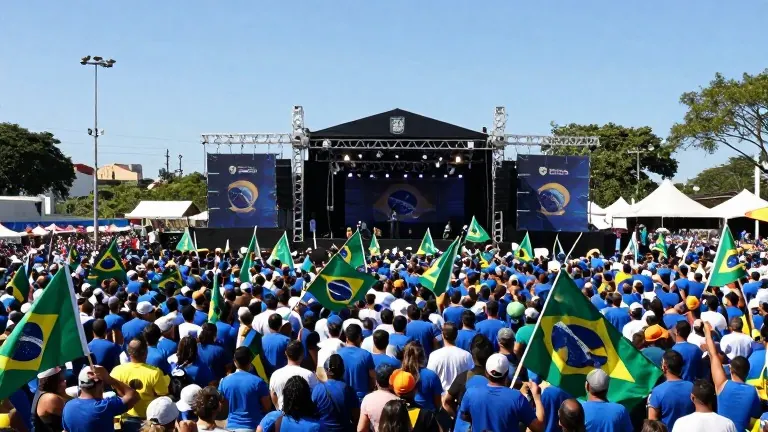
The Serbian Progressive Party lost its grip on power after fourteen years of rule. The opposition Student List won Sunday's election, ending the political dominance of Aleksandar Vucic and his party. This result marks a decisive break from the previous era of authoritarian governance. International observers are now watching to see how this change will affect Serbia's external relationships.
Many analysts expect a quick pivot toward the West. However, local experts argue that internal consolidation will take immediate priority. Any transformation in foreign policy will be gradual rather than sudden. The new leaders must first address deep-seated domestic problems before they can reset regional ties.
Aleksandar Popov, director of the Centre for Regionalism in Novi Sad, said that questions about neighbors will not be on the agenda immediately. The new authorities must deal with a system that has captured all democratic institutions. This includes fixing issues in the judiciary, prosecution service, police, and media sector. Popov noted that tidying up at home will come before solving problems with neighbors, despite the outgoing regime undermining regional relations.
Relations with Croatia are particularly tense. The two countries often exchange sharp words. Vucic recently accused Zagreb of organizing a color revolution during mass protests in Serbia. Popov described the relationship as not frozen, but also not what it should be between neighbors. He pointed out that the Serbian party and Croatia's ruling Croatian Democratic Union clashed frequently. Both parties came from similar nationalist-populist backgrounds, which fueled a system that functioned on the production of internal and external enemies.
Vuk Vuksanovic, a lecturer in foreign policy at King's College London, predicted that foreign policy will change the least under the new government. Many international and domestic structures that shape Serbian foreign policy will remain in place. Moscow never fully trusted Vucic but viewed him as the devil they knew. Russian influence will take a blow as the new government downgrades intelligence cooperation and ends the uncritical glorification of Moscow in state-controlled media.
However, the new government is unlikely to adopt a hawkish stance overnight. Serbian interests can continue to be served by ties with Russia. The country still needs preferential gas prices, and the Kosovo dispute remains unresolved. Parts of the public remain disillusioned with the West. Vuksanovic said the new government will not see value in joining EU sanctions or adopting a hard line toward Moscow. Serbia will maintain its policy of not recognizing the annexation of Crimea and Donbas, though there is a question mark over ammunition deliveries to Ukraine.
Serbia's relationship with Israel also faces a review. Bosko Jaksic, a foreign policy analyst, said that ties will not be severed, but recent controversial agreements will face scrutiny. The new government will re-examine contracts concerning Serbian ammunition exports to Israel and Israeli surveillance equipment exports to Serbia. Netanyahu's government has lost another authoritarian ally in Europe after Viktor Orban's removal in Hungary earlier this year. The future of these ties depends largely on the outcome of Israel's own elections.
Jaksic emphasized that Serbia's foreign policy will undergo a review. He suggested that the policy of sitting on multiple chairs, which brought Serbia more harm than good, will certainly be re-evaluated. It is realistic to expect Belgrade to strengthen ties with the EU. The international community should expect a period of intense internal reform rather than sudden geopolitical realignments.
Source: Al Jazeera