Orchestra Uncertainty: National Symphony Faces Homeless Season Amid Kennedy Center Closure
The 95-year-old ensemble is performing a reduced schedule in temporary venues after the Washington arts complex shut its doors in September.
By Noor Rossi ·
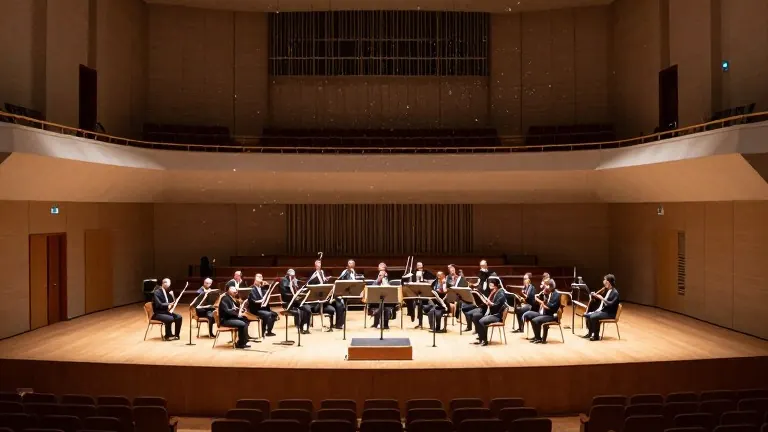
The National Symphony Orchestra finds itself without a permanent home after the John F. Kennedy Center for the Performing Arts closed its doors on Sept. 15. The shutdown followed a period of declining ticket sales, audience boycotts, and federal litigation regarding the addition of President Trump’s name to the building’s exterior. Trump assumed control of the center in early 2025 after removing board members and former president Deborah Rutter. The 95-year-old ensemble, which has performed in the complex since 1971, is now forced to perform as a touring group while the center’s renovation plans remain unresolved.
Conductor Gianandrea Noseda, who has led the orchestra for nine years, described the closure as a cold shower. He stated that the news was absolutely unexpected and left him asking what the musicians would do without their primary venue. The organization scrambled to secure six alternative concert locations in the greater Washington, D.C. region. These efforts occurred while the group hoped to maintain a portion of its budget amid ongoing controversies at the center.
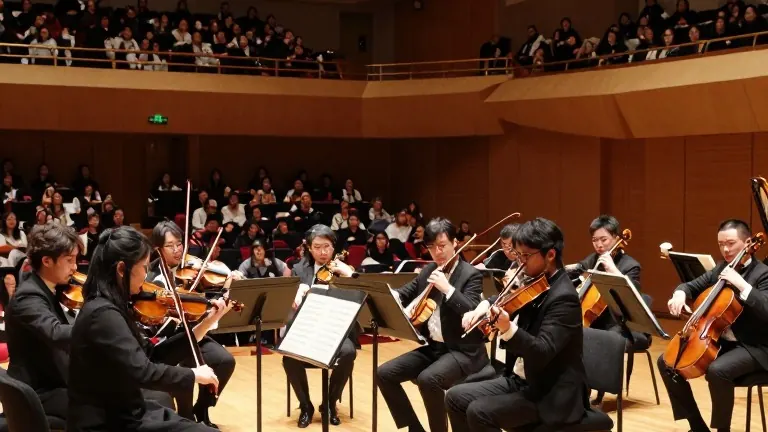
The delay in the Kennedy Center’s budget approval pushed the announcement of the new season to mid-August. This timing gave the orchestra only six weeks to prepare before its opening concert. That performance took place just 11 days after the center locked its doors. On Sept. 26, Noseda and the musicians played their first show at the Music Center at Strathmore in Bethesda, Md. The program featured new works by Carlos Simon alongside compositions by Tchaikovsky and Respighi.
Anne Midgette, a former classical music critic for The Washington Post, noted that the orchestra is deeply tied to the Kennedy Center’s identity. She expressed concern that the ensemble might not have a season at all. The financial impact is substantial. The Washington Post reported in August that ticket revenue is expected to drop by about half. Donations are projected to fall by a quarter, partly due to major cuts in the center’s development department.
The orchestra is also operating with a reduced staff. Jean Davidson, the former executive director, left her position in March. She cited the turmoil at the Kennedy Center as the primary reason for her departure. Rick Barber, the associate principal double bassist who joined the group in 1995, described the months following the closure as a time of anxiety. He said the political divisions in the country are visible in daily life but fade when he is playing music.
Noseda extended his contract with the orchestra through 2031. He explained that leaving after the leadership changes would have been too easy and akin to cowardice. He views the current situation as a chance to reach new audiences in different locations. The season will feature about half the number of concerts usually performed. Noseda believes the music can still bring people together despite the logistical and financial challenges.
The National Symphony is not alone in its struggles. Symphonies across the country face financial pressures, and some, such as the Phoenix Symphony, have recently closed. Midgette pointed out that the cost of attending a concert, including transportation and food, poses a challenge for working families. The upcoming season in various temporary halls will serve as a test of audience interest and the orchestra’s ability to retain donors.
Source: WWNO