Space Force Declines Three SpaceX Contracts as European Rocket Near Completion
The U.S. military has passed on three launch opportunities from SpaceX, while a Spanish small-lift vehicle enters its final integration phase ahead of a 2027 debut.
By Lucy Lefebvre ·
The United States Space Force has officially declined three launch contract offers from SpaceX, marking a significant shift in military procurement strategy. This decision, communicated to the private company this week, indicates that the military branch intends to pursue other avenues for its upcoming launch needs. The rejection of these specific proposals stands out as a notable development in the ongoing relationship between the nation's primary space provider and its largest customer.
The financial and operational implications of this move are substantial for both parties. By turning down three separate contracts, the Space Force is signaling a preference for diversifying its launch providers or waiting for specific capability milestones. For SpaceX, the loss of these three opportunities represents a temporary setback in its commercial portfolio, though the company remains the dominant force in the global launch market. The decision underscores a broader trend in defense spending where agencies are increasingly evaluating long-term reliability and cost structures before committing to multi-year agreements with a single vendor.
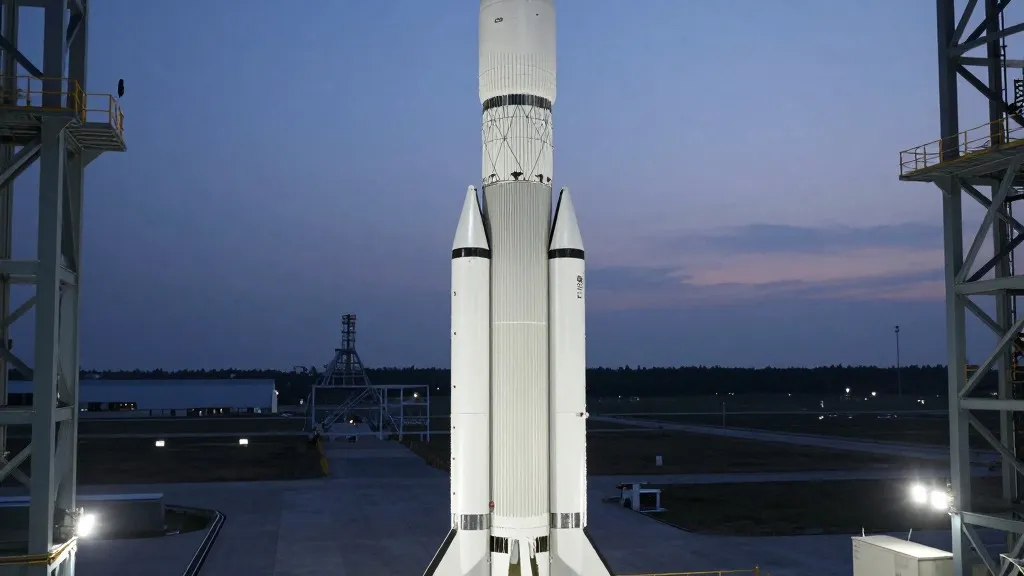
On the international front, Spanish aerospace company PLD Space has reported that its Miura 5 rocket is approaching final integration. The vehicle, which is scheduled for its inaugural flight next year, is one of three units already manufactured by the company. CEO Raúl Torres stated during a program update on October 19 that the other two rockets were designed to qualify key system elements. The company now targets a first flight for this small-lift vehicle before mid-2027. This milestone represents a critical step for European independent space access.
Torres explained that the manufacturing of these three vehicles has allowed engineering teams to work continuously across different stages of production. He noted that lessons learned from each qualification campaign have been applied directly to the launch vehicle. Currently, one Miura 5 second stage is fully integrated and has begun system-level testing under representative operating conditions. This stage is located at the PLD Teruel test facility, where it is undergoing a qualification campaign that includes a wet dress rehearsal and a static hot-fire test. These tests are essential for validating the structural and propulsion systems before the rocket is cleared for orbital insertion.
In North America, Canadian startup Reaction Dynamics has announced it is seeking to raise $350 million in new capital. The funding is intended to support rapid workforce expansion, with the company aiming to grow its staff from 68 to more than 350 employees. Reaction Dynamics is currently developing the Aurora rocket, a small-lift vehicle that the company hopes will reach orbit in 2028. The additional capital will also support the development of a medium-lift rocket named Borealis, which is targeted for a debut by 2031. This expansion plan reflects the growing investment in new spacefaring entities in the region.
The simultaneous developments in military contracting and private rocket development highlight the dynamic nature of the current space industry. While the U.S. government navigates complex procurement decisions, private companies in both Europe and Canada are accelerating their timelines to establish competitive positions. The near-completion of the Miura 5 and the capital raise for Reaction Dynamics suggest a robust pipeline of new capabilities entering the market. These new entrants are poised to challenge established players by offering specialized launch services and increasing the overall frequency of orbital access.
For readers in Texas and the South Central states, these developments have direct regional implications. The area is a hub for both aerospace manufacturing and military space operations. Changes in how the Space Force allocates contracts can influence local economic activity and infrastructure planning. Furthermore, the progress of international and Canadian startups indicates a global trend toward diversified launch providers. This diversification may eventually lead to more competition, potentially driving down costs for both commercial and government missions that originate from or serve the region.
The coming months will be crucial for determining the next phase of these initiatives. The Space Force will need to identify alternative providers for the three declined contracts, a process that may involve new solicitations or the selection of existing competitors. Meanwhile, PLD Space must successfully complete its qualification tests in Teruel to maintain its 2027 launch schedule. Reaction Dynamics will face the challenge of executing its hiring plans and technological development within the timeframe of its funding round. Each of these outcomes will contribute to the evolving landscape of global space access and commercial launch services.
As the industry moves forward, the focus remains on reliability and scalability. The decision by the Space Force to pass on SpaceX offers suggests a cautious approach to risk management in critical military operations. Conversely, the aggressive timelines of PLD Space and Reaction Dynamics reflect the confidence of new entrants in their engineering capabilities. The interplay between these conservative and expansionist strategies will shape the competitive dynamics of the launch market in the years to come. Stakeholders across the sector are closely monitoring these developments to understand how they will impact future mission planning and resource allocation.
Source: Ars Technica · original report published