Starlink Speeds Restored in Ukraine After Musk Confirms Service Throttling
SpaceX confirmed it limited satellite internet speeds in Ukraine, a move that disrupted military logistics for over a week before being reversed.
By Lucy Lefebvre ·
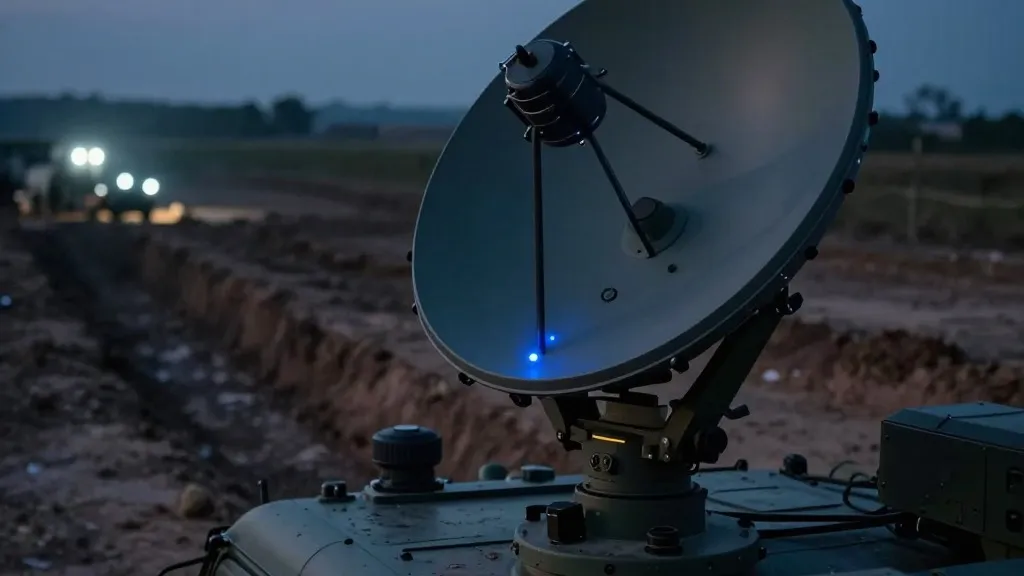
Ukrainian soldiers and civilians regained full access to high-speed satellite internet on Saturday, ending a period of disrupted communications that affected front-line operations for more than a week. The restoration of standard speeds to Starlink and Starshield services marks a significant shift in the technological support available to the Ukrainian military, which has relied heavily on these networks for coordination and defense since the full-scale invasion began in 2022.
The change follows a public admission by SpaceX CEO Elon Musk that his company ordered the slowdown. Musk stated in a post on X that the restriction was necessary because the Ukrainian military had used the civilian Starlink service for offensive drone strikes, a practice he argued violated the terms of service. He maintained that while Starlink is a commercial product, its use for killing people had not been permitted, and that a loophole allowing this usage was closed the previous week.
President Volodymyr Zelenskyy confirmed that speeds had returned to their required levels, noting that the restoration began overnight and was complete by Saturday morning. He explained that the previous restrictions had hampered front-line logistics and the defense against Russian jet-powered Shahed drones. Zelenskyy emphasized that the return to full capability improves the operational effectiveness of Ukrainian forces on the ground.
The episode has heightened scrutiny over the relationship between the United States and Ukraine, particularly regarding military technology. While Musk defended SpaceX’s role in strengthening Ukraine’s defenses, he clarified that the U.S. government controls any changes to Starshield, the military-grade version of the satellite system. This distinction is important because Starshield underpins critical drone operations and communications that Ukrainian commanders reported were disrupted when restrictions were initially applied.
Diplomatic tensions have compounded the situation. A fresh U.S. push to end the war coincided with these technical adjustments. Russia agreed on Wednesday to resume three-way talks with Washington and Kyiv next month. Additionally, Kyiv and Moscow reached an agreement on Friday for a localized ceasefire around Oleshky, a town in the southern Kherson region, a deal brokered by U.S. First Lady Melania Trump.
U.S. officials have offered mixed signals regarding their involvement in the Starlink decision. President Donald Trump said he did not make the call to throttle speeds but suggested that Musk should not be solely blamed. In contrast, Vice-President JD Vance hinted at White House coordination with Musk, while Secretary of State Marco Rubio and Defence Secretary Pete Hegseth denied any direct administration involvement. These statements reflect the complex interplay between private tech giants and public policy in modern conflict.
Ukrainian Defence Minister Yevhenii Khmara credited direct dialogue and Zelenskyy’s diplomacy with Washington for the resolution. He stated that the outcome is vital for the front, specifically for the work of drones, logistics, and communications. The ministry viewed the restoration as a key step in stabilizing the technical infrastructure that supports the ongoing defense effort.
Combat operations continued across the region during the period of disruption and subsequent restoration. Local officials reported a missile attack on Lozova in the Kharkiv region, killing one man and wounding two others. In Crimea, Moscow-installed authorities reported blackouts following overnight Ukrainian strikes. The Ukrainian General Staff announced successful hits on a chemical plant in Tolyatti, which produces materials for rocket fuel, and an electronics plant in Oryol that manufactures missile components. Three people died in the Oryol attack, while a drone reached the Omsk region, over 2,000 kilometers from the border, striking a logistics center for the online retailer Ozon without causing casualties.
Source: CBC News