6 million children in England to be tracked by new scoring system
NHS England is rolling out a standardized vital signs tool in A&E departments for the first time this winter, aiming to catch deterioration earlier.
By Isabel Moretti ·
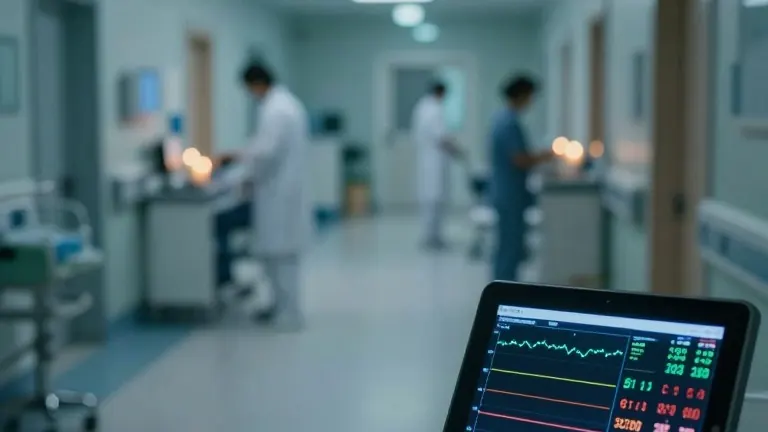
A national scoring system for sick children is moving into emergency rooms across England this winter.
NHS England has confirmed that the paediatric early warning system (Pews) will be used in A&E departments for the first time during the upcoming winter season. The tool measures vital signs such as blood pressure, heart rate, breathing rates, oxygen levels, and consciousness. By calculating a score from these metrics, medical staff can identify when a child’s condition is worsening. This rollout makes Pews the largest standardized scoring system of its kind in the world. The system already exists for inpatients, but its expansion to emergency settings is new. More than 6 million children attend A&E in England each year, meaning the tool will touch a large portion of the pediatric population. The charts are age-appropriate, reflecting different baseline signs for babies, children, and young people.
The primary function of the score is to flag deterioration to nursing and medical staff. A high score signals that a child may need more urgent attention. NHS England stated that the system is not intended to replace professional judgment. It also does not replace the input of parents, carers, or the children themselves. Concerns raised by families can still trigger an immediate escalation of care, even if the calculated Pews score is low. The design includes specific features for rapid decision-making in busy A&E environments. It aims to help staff recognize warning signs and communicate concerns quickly.
Duncan Burton, the chief nursing officer for England, emphasized the need for speed in emergency departments. He said staff need to spot when a child’s condition is deteriorating quickly. Burton noted that the standardized approach helps teams recognize warning signs and make timely decisions. He added that the system ensures the concerns of children, parents, and carers are heard and can prompt action. The system relies on consistent data collection to support these interactions.
Dr Mike McKean, vice-president for policy at the Royal College of Paediatrics and Child Health, said he is delighted to see the initiative rolled out ahead of the winter period. He described the emergency department Pews charts as important tools for spotting deterioration. McKean said the system will support pediatricians and wider child health teams. He noted that, alongside training and resources, it will help improve equity, patient safety, and quality of care. The Royal College of Paediatrics and Child Health worked on the development of the new system.
Prof Lynn Woolsey of the Royal College of Nursing, which was also involved in the work, said early escalation is critical for keeping patients safe. She stated that the system is already saving lives in other parts of the NHS. Woolsey described it as a vital tool for nursing staff to quickly identify when a child patient is deteriorating and act. She highlighted the emphasis on listening to children, young people, parents, and carers. She said having a standardized approach across emergency departments and paediatric wards will support consistent assessment, communication, and decision-making. Woolsey added that it will be crucial to ensure there are enough nursing staff with enough capacity, the necessary training, and support to spot deterioration and use the system effectively.
NHS England said that more than 90 hospitals across England currently use the inpatient Pews system. Data suggests these hospitals have consistently lower rates of cardiac arrests among their patients. Separately, NHS England is drawing up urgent new standards for how children should be treated in A&E. Eliminating corridor care for youngsters is a priority in those new standards. The A&E rollout coincides with this push to improve treatment standards in emergency settings.
Source: The Guardian