Final Push: Rio Beaches Pack Out as Brazil Heads to Decisive Vote
Supporters flood Rio and Belo Horizonte in a last bid to swing a deadlocked election that hinges on public health fears and security concerns.
By Noor Rossi ·
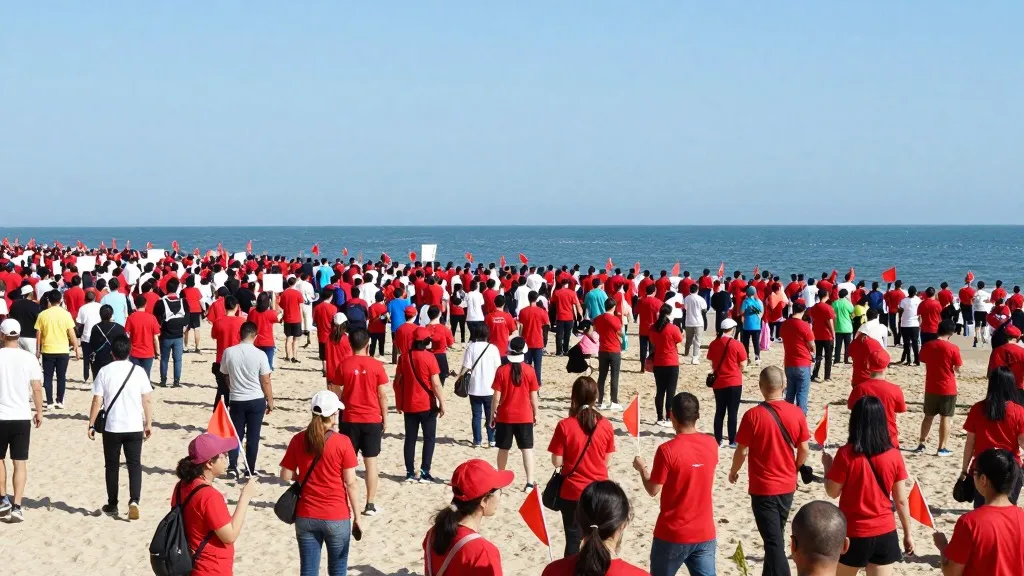
A sea of red clothing spread across the sands of Copacabana on Saturday, creating a vibrant visual spectacle as tens of thousands gathered to rally behind President Luiz Inácio Lula da Silva. The turnout was massive, with activists moving through the crowd in a procession that echoed the energy of a local carnival. This final day of campaigning occurs just before a critical runoff vote on Sunday, where nearly 159 million eligible Brazilians will cast their ballots to decide the nation's next leader.
The contest is statistically unusual. After the first round on October 4, Flávio Bolsonaro held a narrow lead with 47 percent of the vote compared to Lula's 45 percent. Historically, since the return of democracy in the 1980s, a candidate who loses the initial stage has never managed to secure a victory in the subsequent runoff. Consequently, a win for the sitting president would mark a rare break from established political patterns.
Despite the optimism of the crowd, polling data suggests a tighter race than the enthusiasm on the beach implies. Most analysts currently view Bolsonaro as the slight favorite. His campaign leans heavily on a promise of strict enforcement against violent crime, a strategy that builds on the legacy of his father, Jair Bolsonaro, who served as president from 2019 to 2022. However, Lula has recently regained ground following a series of scandals involving his opponent.
One such controversy involves a report from the magazine Piauí. The publication alleged that during the peak of the 2020 pandemic, Flávio Bolsonaro attended a boat party with sex workers and vaccine lobbyists who were seeking favorable deals with his father's administration. These revelations appear to have energized the left-wing base, providing a tangible reason to vote beyond standard partisan loyalty.
For many attendees, the election feels like a fight for the survival of democratic norms. Jair Bolsonaro is currently serving a 27-year prison sentence for plotting a coup after his defeat in 2022. There are widespread concerns among supporters that a victory for his son could lead to the elder Bolsonaro's release or a return to power. Reports suggest that other figures involved in the plot may also receive significant military or police roles if the far-right wins.
Marta Moraes, a 59-year-old restaurateur, expressed that her opposition is targeted specifically at the Bolsonaro movement rather than the entire right. She noted the personal toll of the pandemic, stating that she lost four relatives due to what she described as governmental neglect. This sense of personal loss was common among the marchers, many of whom organized through "Lula's Army," a WhatsApp group with ten million members formed after the first round.
Bolsonaro's supporters held their own events, most notably in Belo Horizonte, the capital of Minas Gerais. Thousands gathered in the Praça da Liberdade wearing yellow football jerseys and waving both Brazilian and American flags. Minas Gerais is a crucial bellwether state, as no candidate has won the presidency without carrying it. In the first round, Bolsonaro led the state by just under five percent.
The debate over public safety remains a central point of contention. Antonio Carlos Costa Jr., a 59-year-old shooting club owner, argued that the previous administration empowered citizens to defend themselves, a stance he believes the new candidate will continue. Security experts, however, note that the earlier loosening of gun laws often resulted in weapons ending up in the hands of criminal gangs. Lula has since tightened these regulations, a move his allies say is more effective than the security-focused rhetoric of Bolsonaro, who has documented ties to paramilitary groups in Rio.
Source: The Guardian