Kremlin Agrees to Three-Way Ukraine Ceasefire Talks with U.S. and Kyiv
The resumption of negotiations in November marks a pivotal shift in diplomatic efforts after years of stalled progress and escalating pressure from Washington.
By Lucy Lefebvre ·
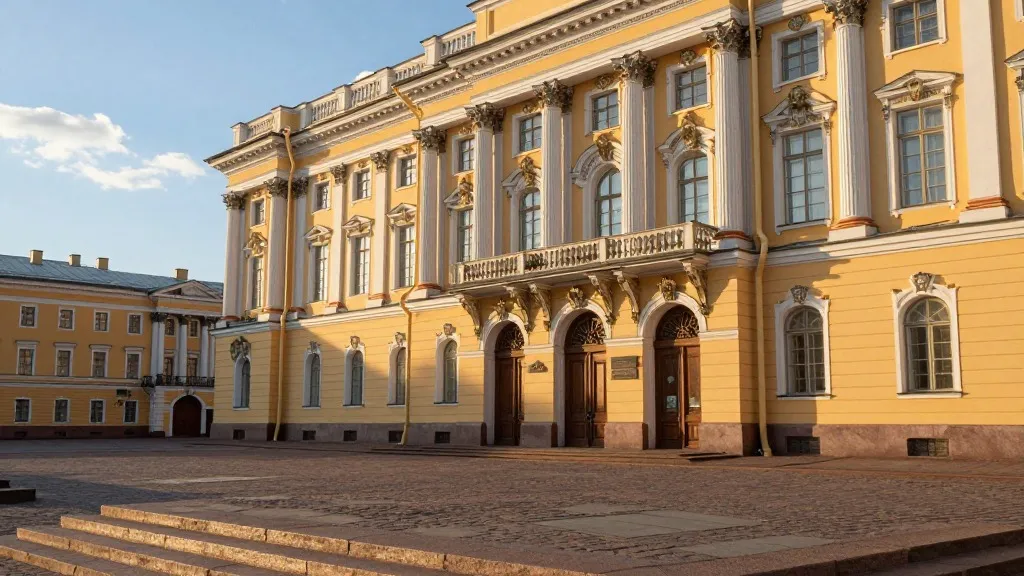
For households across Texas and the South Central states, the renewed commitment to peace talks signals a potential shift in the geopolitical landscape that has dominated global energy markets and defense spending for over four years. Following a three-hour meeting in St. Petersburg, Russian President Vladimir Putin has agreed in principle to restart trilateral negotiations with the United States and Ukraine next month. This development could set the stage for the first formal talks since February, offering a new avenue for de-escalation in a conflict that has significantly influenced regional economic planning and international security strategies.
The decision follows a direct discussion between Putin and U.S. envoy Steve Witkoff, accompanied by Russian foreign affairs adviser Yuri Ushakov and presidential envoy Kirill Dmitriev. Trump’s son-in-law, Jared Kushner, participated via video link. The primary objective of the upcoming sessions is to build a security framework for both nations once the conflict concludes. Witkoff and Kushner also outlined a postwar economic plan and addressed European security concerns, sharing progress from their earlier discussions with Ukrainian leadership.
Context for this diplomatic push stems from a series of failed attempts earlier this year. Representatives from the three countries met twice in Abu Dhabi in January and February, followed by talks in Geneva. Despite these efforts, progress remained limited to prisoner exchanges, as Moscow and Kyiv held firm to their core demands. The Kremlin recently criticized proposals emerging from a meeting in Oslo involving Witkoff, Zelenskyy, and European leaders, stating they contained little real value. However, Ushakov later clarified that while Moscow is not fully satisfied, the Oslo discussions represent a step in the right direction.
Ukrainian President Volodymyr Zelenskyy expressed support for Washington’s push to restart talks swiftly. In an audio message issued late Wednesday, he stated that the agenda is clear: to end the war and prepare for a leaders’ level meeting. However, his optimism was tempered by the reality on the ground; shortly after his message, missile alerts sounded over Kyiv, accompanied by loud explosions. Zelenskyy noted that Russia has previously indicated readiness to meet, only for plans to be canceled, adding a note of cautious uncertainty about this round of negotiations.
U.S. President Donald Trump has intensified pressure on Kyiv to reach an agreement, noting that relations between the two leaders have soured. Speaking from the White House, Trump emphasized the desire for a deal, citing the significant resources provided to Ukraine and the lack of tangible returns. He warned that failure to reach an accord could result in negative consequences. Meanwhile, Witkoff’s recent interactions suggest a strong desire from world leaders to generate new momentum in the peace process, which has seen little significant progress since the Trump administration began its mediation efforts last year.
Beyond the Ukraine conflict, the St. Petersburg discussions touched on broader bilateral issues. Putin indicated readiness to consider restoring economic ties with the United States and discussed the U.S.-led conflict with Iran, suggesting Moscow could use its relationship with Tehran to facilitate peace. Ushakov mentioned that large-scale joint economic projects were discussed in detail, with some nearing the implementation stage. Additionally, Putin met with Chinese Premier Li Qiang, who was in the city for other talks. The two leaders discussed a potential trilateral meeting at an economic summit in China next month, a summit Beijing is already preparing for.
In a gesture of goodwill, Russia released Stephen Hubbard, a retired American teacher who had been imprisoned on mercenary charges. Witkoff indicated this was a response to Trump’s request to Putin. The diplomatic activity was further highlighted by Witkoff’s return to Oslo, where he met with Norwegian Prime Minister Jonas Gahr Støre for over an hour. Støre suggested the region may be entering a new diplomatic phase, predicting the new talks would occur in mid-November. He also commented on the potential for Ukraine to accept a border along the current front line, noting that while formal acceptance might be difficult, living with the status quo is a different matter.
The diplomatic push coincides with continued military hostilities. Overnight Russian strikes on energy facilities in Kyiv and three other cities resulted in three deaths and twelve injuries in the capital, with ten residential buildings damaged. In Kharkiv, drone explosions in a residential area killed two people and wounded eleven others. The Russian Defense Ministry reported striking a warehouse, an electrical substation, and a bulk carrier bound for Odesa. Conversely, Russia claimed its air defenses intercepted 373 Ukrainian drones over multiple regions and the Crimean Peninsula. These ongoing attacks underscore the urgency of the diplomatic efforts as both sides continue to prepare for the upcoming November negotiations.
The path forward remains complex, with significant differences in perspective between the parties. While the Kremlin views the Oslo proposals as a starting point, it remains critical to monitor whether the technical-level talks in November can bridge the gap between Moscow’s security concerns and Kyiv’s demand for guaranteed peace. The involvement of high-level figures from the U.S., Russia, and Ukraine suggests a serious intent to resolve the conflict, but the history of canceled meetings and stalled progress indicates that skepticism remains prevalent among observers and leaders alike.
Source: Atlanta News First · original report published