Osasco Backed Lula in 2022. This Month Its Vote Moved to Bolsonaro.
Brazil's presidential runoff takes place Sunday after a first round in which 33 million people did not vote.
By Noor Rossi ·
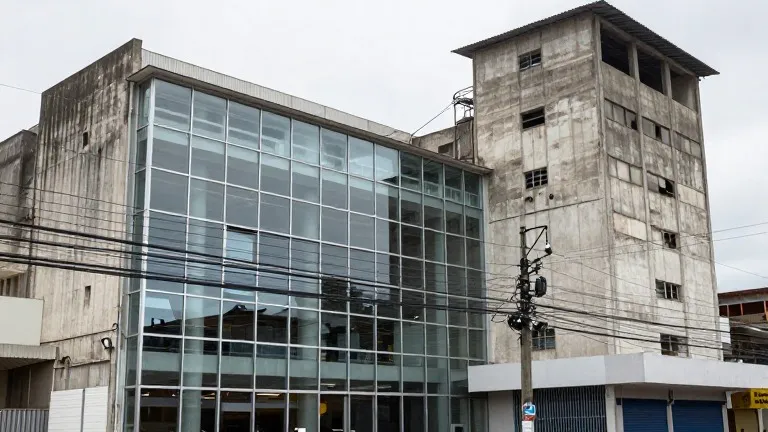
Osasco, a city outside São Paulo that once turned out metal and textiles for President Luiz Inácio Lula da Silva, voted for right-wing candidate Flávio Bolsonaro in this month's first round. The shift matters because Brazil holds its runoff on Sunday, and first-round winners have gone on to win the presidency in every election since 1989.
The city's industrial base has largely disappeared. Gilberto Almazan, who leads a metalworkers' union there, said five shopping malls have risen where metal, chemical and textile factories once stood. Delivery app companies have moved in as well, and Almazan described the union movement that carried Lula's political rise as stuck in the "Middle Ages." He said deindustrialisation has been strong and that the working class is no longer mainly industrial.
Many Brazilians now drive for apps, deliver food or run small businesses. Almazan calls this "Uber-isation" and said such workers want control over their hours rather than the welfare programs and collective bargaining Lula has championed. Richard Lapper, who has written biographies of both Lula and Jair Bolsonaro, said Brazil industrialised late and deindustrialised early, which made the effects sharper. He called Lula a "victim of his own success."
Lula's presidency has coincided with record-low unemployment and Brazil's removal from the UN's Hunger Map. Lapper described a gap between those gains and how people feel: higher prices, household debt and high interest rates have kept living standards from registering. Robson, 53, a civil servant who grew up backing Lula, blamed "mismanagement" for a heavy tax load. Tairine, who sells hot dogs and used to abstain, plans to vote for Bolsonaro because she said nothing has changed since Lula returned to office. Gisele Bonfim, who voted for Lula in 2022, said Bolsonaro offers "the hope of change."
Flávio Bolsonaro has proposed cuts to government spending, ministries and some taxes while keeping parts of Lula's welfare programs. He faces corruption accusations, which he denies. In the first round, 33 million Brazilians did not vote, the highest abstention since 1998. Lula's campaign has answered with street rallies, including one in São Paulo that it said drew about a million people. Lula, 80, has used social media to push back on questions about his age and calls himself the "king of selfies."
In Maré, one of Rio's largest favelas, abstention ran above average and Lula still carried the area. Vitoria, an 18-year-old mother earning under £300 a month, credited Lula's minimum wage increase, two days off for workers and free essential medicines. She doubts Bolsonaro's plan to designate the gang Comando Vermelho a terrorist organisation, fearing raids like the one in Rio last year that killed more than 130 people. Andreza Dionísio, a Maré resident, blamed polling station changes made at the last minute and "a sense of hopelessness about the future" for low turnout. About a quarter of Brazilians attend evangelical churches, which increasingly provide childcare, job advice and food. Pastor Silas Malafaia, under investigation for allegedly obstructing the coup trial of Jair Bolsonaro, said the probe is politically motivated and that Flávio Bolsonaro shares the church's positions on family and abortion.
Almazan, whose union backed Lula's rise, said: "There will never be another Lula." The runoff is Sunday.
Source: BBC News