Gas Lines Grow Longer as Sudan's Fuel Crunch Hits Daily Life
Rising costs and long waits are forcing drivers, cleaners, and traders in Sudan to rethink how they manage their daily expenses.
By Noor Rossi ·
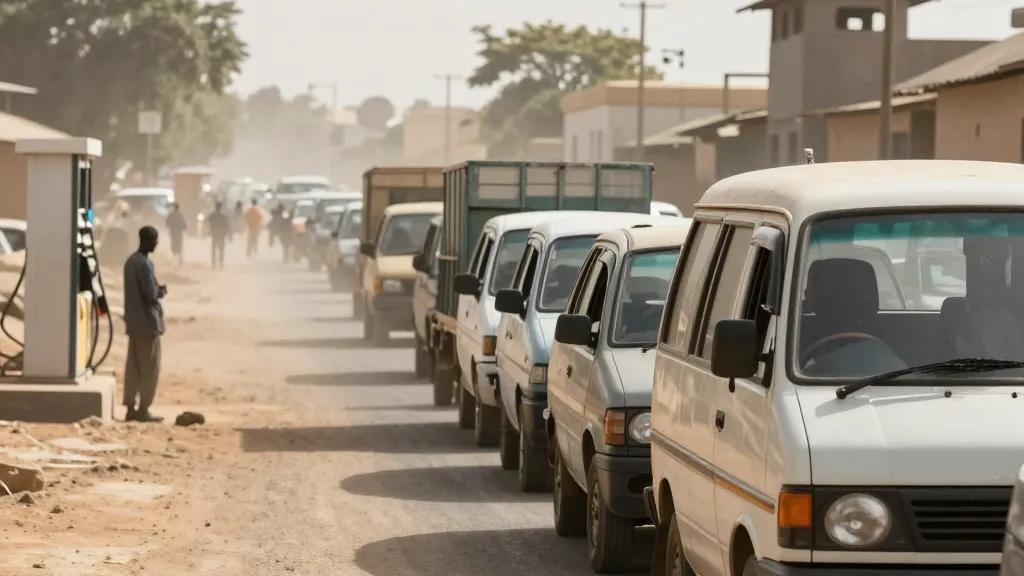
For many residents in Sudan, the morning routine has shifted from a quick start to a long wait. Standing in line for fuel has become a central part of the day for workers who depend on vehicles to earn a living. The scarcity is not just an inconvenience; it is directly impacting how much people can afford to spend on transport, food, and essential services.
The situation has deteriorated significantly over the past few years. Fighting between the Sudanese Armed Forces and the Rapid Support Forces began in April 2023, leading to widespread economic disruption. Last year, the Ministry of Energy and Petroleum estimated that the conflict caused twenty billion dollars in losses to the sector. The World Bank noted that attacks on the Balila oil field disrupted supplies to the Khartoum refinery, a facility that previously supplied about sixty percent of the country's petrol and liquefied petroleum gas.
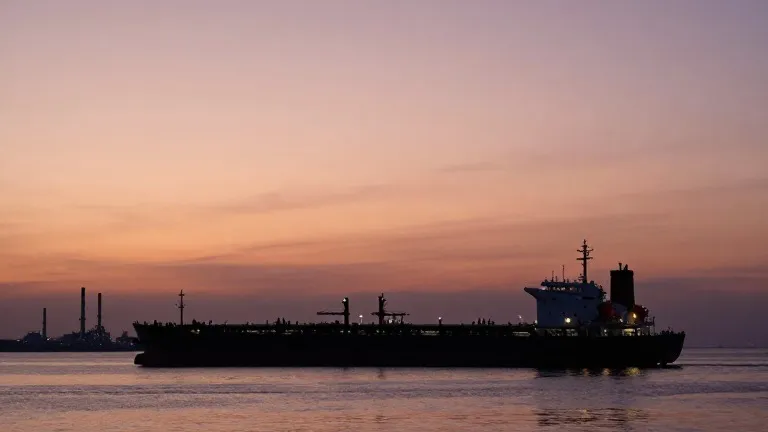
With domestic production down sharply, the nation now relies heavily on imports. This dependence is problematic because a global fuel crisis has already pushed up international prices for gas, petrol, and diesel. Economic analysts point to additional hurdles at home. Government regulations require importers to deposit two hundred kilograms of gold in the Central Bank and own storage facilities. These strict rules forced some companies to exit the market, which narrowed the supply relative to demand.
Sidi Ohaj, an economic analyst, argued that the government needs to ease import procedures urgently to restore flow. He also highlighted external threats, including drone attacks on infrastructure and the ongoing war between the United States and Iran, which is continuing to disrupt global energy markets. For now, there is little sign of quick relief for those at the pump.
The financial strain is visible in the numbers. In Port Sudan, a gallon of petrol costs thirty-five thousand Sudanese pounds, which is about $3.80. In Gazira State, south of Khartoum, the price is higher at forty thousand pounds, or $4.30. Azhari Mohamed, a sixty-year-old minibus driver in Port Sudan, reports that his vehicle consumes three gallons daily, a cost of roughly $11.30. He works seven round trips a day from early morning to late evening, but he now spends one day in three just waiting for fuel.
After covering operating costs, Azhari is left with about $5.40 a day to support his wife and daughter who is in university. The pressure has moved from drivers to passengers as well. This month, the Transport Chambers Union increased intercity bus fares by forty percent and minibus fares by thirty percent. For commuters like Aziza Ibrahim, a thirty-eight-year-old cleaner in Port Sudan, the hike is painful. She has reduced her work schedule to three days a week to save on travel costs.
Before the war, Aziza's trip to the city center cost seven hundred pounds. Now, fares on various routes range from two thousand to two thousand five hundred pounds. Her daily round trip requires eleven thousand pounds, which eats up nearly half of her monthly salary of four hundred thousand pounds. She also faces the high cost of treating her diabetes, often borrowing money to get to work and repaying it when she is paid. The United Nations Development Programme states that average incomes in Sudan have fallen to levels last seen in the 1990s.
Businesses are facing similar hurdles. Ahmed al-Haj, a trader in Omdurman who packages skincare products, says that higher fuel prices have increased the cost of moving a tonne of goods by thirty to fifty percent. These costs are passed directly to consumers. When power cuts force him to use a generator, his daily expenses climb even higher. Local deliveries in Omdurman that once cost five thousand pounds now run between ten thousand and twelve thousand pounds. Reaching customers in other states has become impossible, causing goods to pile up in warehouses as transport workers make fewer trips.
Source: Al Jazeera