Rubio Calls for Action in Cuba
The Secretary of State urged citizens to seek change just as the President suggested naval intervention.
By Lucy Lefebvre ·
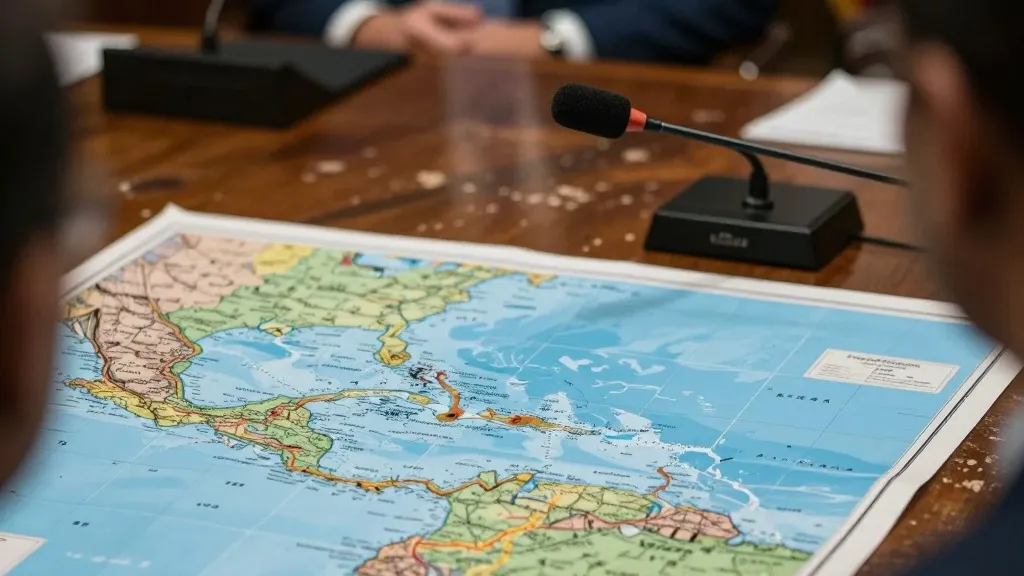
Ordinary Cubans facing chronic blackouts, soaring inflation, and food shortages now find themselves at the center of renewed pressure from Washington. The United States Secretary of State has publicly urged citizens to take action, a call delivered as the President floated the possibility of using warships to facilitate a change in government. With midterms just days away, the rhetoric targets a population already enduring an economic crisis that began in 2020, which has driven hundreds of thousands of residents to emigrate.
Marco Rubio addressed his remarks to those seeking to create positive change, pointing to corruption and the privileges of the few. He encouraged Cubans to seize the moment through a discrete partnership with the CIA, a statement containing a likely spelling error where he seemingly meant discreet. This appeal for covert cooperation came almost immediately after President Donald Trump suggested at a rally in south Florida that American warships returning from Iran could intervene in Cuba.
At the rally, Trump described a scenario involving ships stopping near the coast. He said, 'We'll do a little stopover,' outlining a plan for one ship to halt about 50 yards offshore before sending Rubio to conclude a deal. Trump revived this idea, which he had floated earlier in the year but not mentioned in recent months, in response to a question shouted from the crowd.
Cuban officials responded with mockery rather than fear. Deputy foreign minister Carlos Fernandez de Cossio criticized the United States on social media, writing that the country was resorting to public recruitment for the CIA. He added a sharp comparison, asking if the agency is so desperate that it must sell its services like a tube of toothpaste.
Rubio has not addressed the situation in Cuba in depth publicly for several weeks, though his past statements suggest a hard line. In late September, he described the country as having already fallen and lacking a functional economy. While the administration has expressed a desire for a peaceful resolution, it has doubted such an outcome is possible under the current government.
Diplomatic relations remain unstable. Senior United States officials have met with Cuban representatives in recent months to explore better ties, but the American side left unimpressed and subsequently imposed more sanctions. Earlier this month, President Trump told the United Nations General Assembly that Rubio was deep into negotiations, but the two governments clashed at the assembly this week as Washington sought opposition to the annual vote condemning the economic embargo.
Washington's posture has shifted between threats of force and diplomatic maneuvering. President Trump has long predicted an intervention but has not yet executed one, telling reporters in May that earlier presidents considered it for decades but 'it looks like I'll be the one that does it.' Despite these threats, he has also told reporters he expected the two countries will make a deal and did not think the military would be needed, while Rubio has stated the United States will never allow Cuba to become a base of operations against American interests.
Source: The Guardian