Three Years On, Protesters Demand Truth as Israel Braces for Critical Vote
With elections looming in three days, thousands gather in Tel Aviv to press for an independent review of the October 7 security failures, highlighting a deep divide over accountability and the nation's future direction.
By Isabel Moretti ·
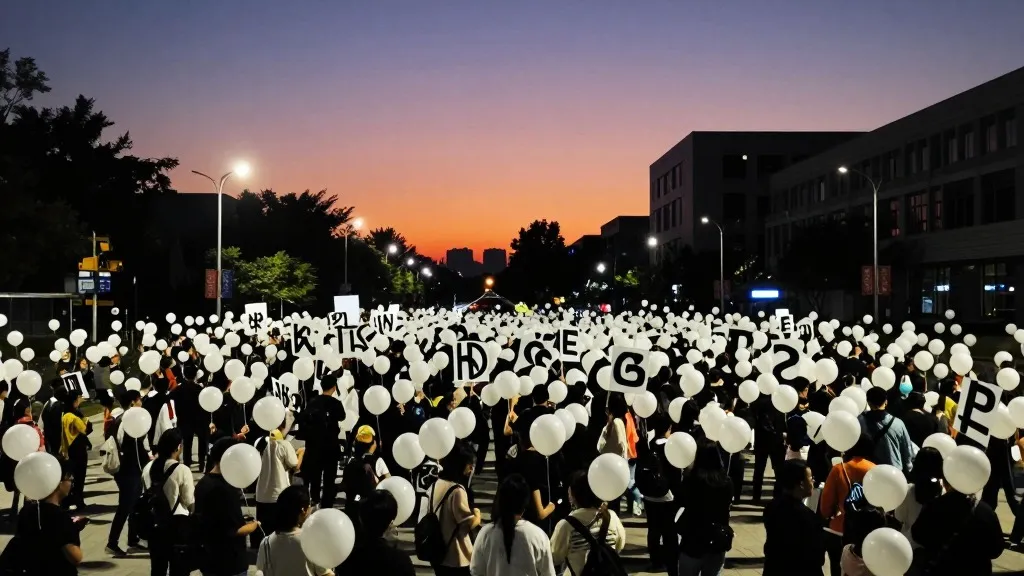
Three years have passed since the security collapse that triggered a major regional conflict, and that specific timeline dominated the atmosphere in Tel Aviv on Saturday. Thousands of citizens converged on the public plaza now widely recognized as Hostages Square to voice their demands for clarity and justice. The gathering served as the final major pre-election demonstration, occurring just seventy-two hours before Israeli voters head to the polls in their first general election since the war in Gaza began.
The October Council, an organization established by the families of individuals taken captive during the initial attacks, coordinated this central rally. The group has maintained a consistent push for an independent state commission of inquiry to examine how the government failed to prevent the events of October 7, 2023. In a message posted on the social media platform X before the crowds arrived, the council described the event as the culmination of three years of struggle to uncover the truth and hold officials accountable.
Support for the movement extended beyond the main plaza in Tel Aviv. Reports from the Haaretz newspaper indicated that similar anti-government demonstrations were taking place in other cities across the country. Prominent opposition leaders joined the Tel Aviv crowd, seeking to link their political campaigns with the protest movement's goals. Among the attendees was Gadi Eisenkot, the leader of the Yashar party, who stands as Prime Minister Benjamin Netanyahu’s primary challenger on the center-right spectrum.
The energy on the ground was palpable as Eisenkot addressed the supporters. Chants of 'Who's coming? The next prime minister' echoed through the square, a clear signal of the opposition’s intentions for the upcoming Tuesday vote. Yair Golan, who leads the Democrats party, was also present at the event. Dan Adin, a lawyer and citizen, captured the scale of the turnout in a post on X, noting 'masses, masses of masses' moving from Rabin Square to the main venue. Adin emphasized the collective power of the crowd, stating that the energy felt uniquely owned by the protesters.
Election surveys conducted in the days leading up to the vote indicate a highly competitive race. Netanyahu’s right-wing bloc, which has held executive power since late 2022, is currently running neck and neck with Eisenkot’s coalition. Neither side is projected to command a majority of seats in the Knesset, suggesting that the outcome may hinge on smaller parties and strategic alliances in the coming days.
The result of this election could have immediate implications for regional military strategy, particularly regarding potential strikes on Iran. Political analysts believe Eisenkot is less inclined to resume military action against Tehran compared to the current leadership. However, the major political parties remain largely aligned on other foreign policy issues, specifically maintaining a united front against the establishment of an independent Palestinian state.
In the hours before the rally, the October Council issued warnings to law enforcement regarding potential disruptions. The group stated it had sent an urgent letter to the Police Commissioner after receiving alerts about attempts by entities linked to the governing coalition to cause provocations. This concern reflects the high stakes involved in ensuring the protest proceeds without interference.
The core demand of the October Council remains the establishment of an independent body to investigate the failures that led to the October 7 attacks. Netanyahu’s coalition has previously rejected calls for a fully independent commission. Instead, the government has proposed a 'political' commission where half of the members would be appointed by the ruling bloc and the other half by opposition legislators. Opposition leaders have signaled their intent to boycott any commission structured in this manner, viewing it as a compromise that undermines the search for objective truth.
Source: Al Jazeera