UMKC Scientist Tests Grocery-List Mixture for Severe Bleeding
A researcher in Kansas City is evaluating a synthetic formula to treat hemorrhagic shock, aiming to reduce reliance on donated human blood.
By Noor Rossi ·
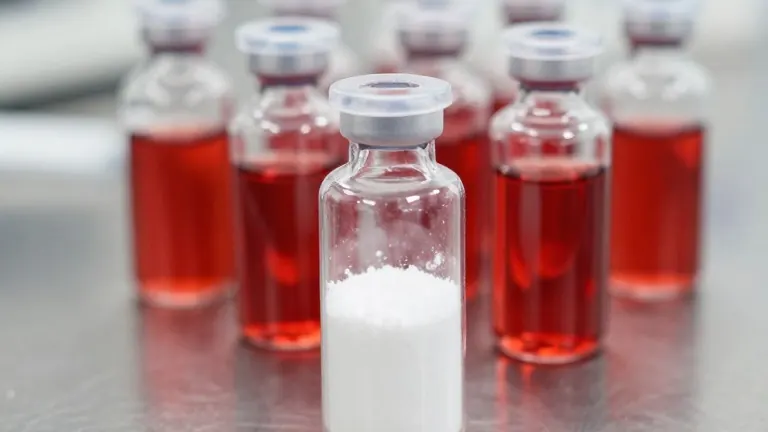
A physician and research scientist at the University of Missouri-Kansas City is testing a new medical treatment designed to stop severe blood loss without using human plasma or red blood cells. The doctor describes the potential therapy as an alternative to standard transfusions for patients suffering from hemorrhagic shock.
The condition, known as hemorrhagic shock, occurs when a person bleeds rapidly after trauma such as a car accident or gunshot wound. Currently, blood transfusions are the primary medical intervention used to manage this life-threatening state. The new approach seeks to address the limitations of relying on donated blood, which can be scarce or difficult to source during mass casualty events.
The treatment utilizes ingredients that are common household items, often found on a standard grocery list. While the source article does not list the specific compounds, it notes that the formulation is distinct from traditional blood products. The researcher is currently in the testing phase of the project, evaluating its efficacy in clinical or simulated trauma scenarios.
Medical professionals who have reviewed the concept view the development with optimism. They believe a synthetic or alternative formula could ease the persistent shortage of human blood in emergency care settings. By creating a product that does not require donor collection, storage, or complex matching, the treatment may offer a faster response time for critical patients.
The Kansas City-based study fits into a growing search for reliable alternatives to blood transfusions. For working families and public health advocates, a stable supply of trauma treatment could mean fewer delays in emergency rooms and reduced pressure on the voluntary blood donation system. The doctor’s claim that the mixture is better than blood highlights a shift toward accessible, shelf-stable medical supplies.
The research team continues to gather data on the safety and effectiveness of the new formula. As the testing proceeds, the goal remains to validate whether this grocery-list-based solution can serve as a reliable first-line defense against fatal bleeding in the field and in hospitals.
Source: KMOV