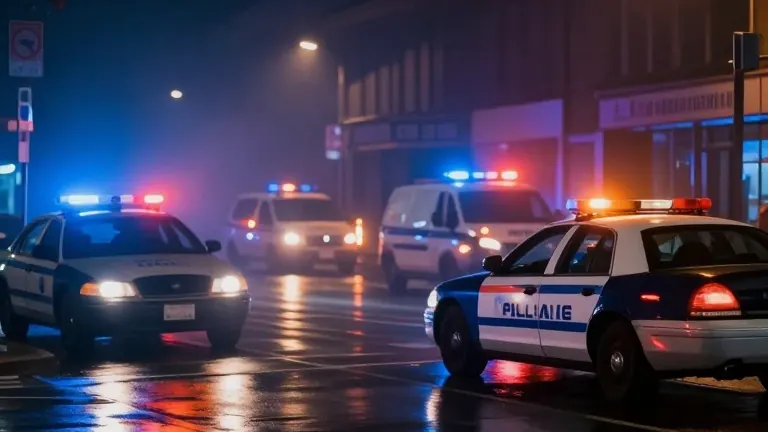
Less than 10 complaints in Davidson County despite touchscreen ballot errors
Voters in Tennessee report accidental candidate selections on digital screens, prompting local officials to reintroduce styli and urge paper verification.
By Lucy Lefebvre ·
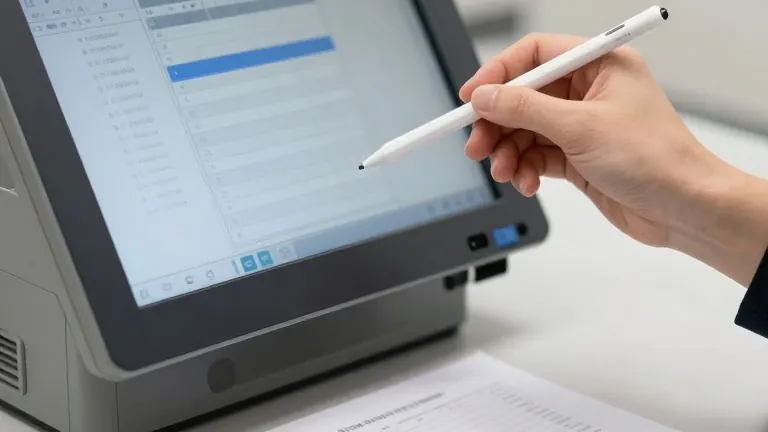
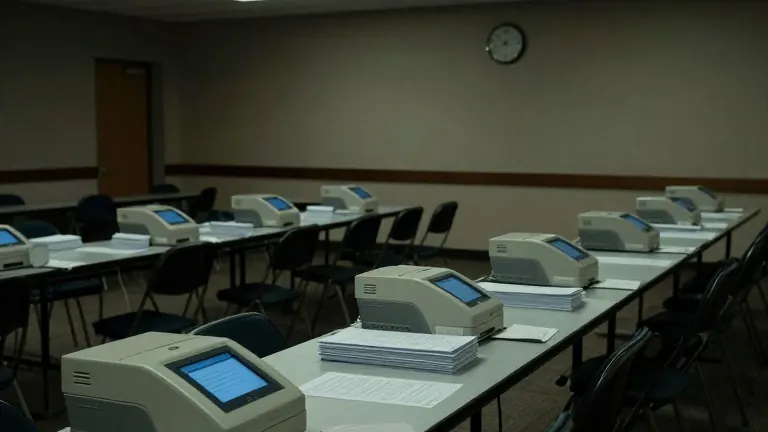
Tennessee voters using touch screen machines to select candidates face a new precaution on Election Day: check the printed paper ballot before scanning it. Officials in multiple counties say the recent wave of errors stems from user interaction with the digital interface rather than machine malfunction. The goal is to ensure the final scanned ballot matches the voter's intent.
More than 1.2 million Tennesseans have already cast ballots before polls open on November 2. While the total volume of early voting is high, specific complaints regarding touchscreen errors remain low. Davidson County Elections Administrator John D. Richardson stated his office received fewer than 10 complaints about the issue. Despite the small number of reports, the county implemented procedural changes to reduce the risk of unintended selections.
Voters described moments of confusion at the booth. One voter told WSMV that pressing a button caused the wrong name to illuminate on the screen. Another voter, intending to select Jerri Green for governor, found the machine registered a vote for Marsha Blackburn. These accounts illustrate the specific friction point where physical touch meets digital input.
Tennessee Coordinator of Elections Mark Goins characterized the problem as user error. He explained that the issue is not a vote flip. Goins noted that physical factors, such as long fingernails, can cause a voter to touch an adjacent box without realizing it. This unintended contact registers the selection for the neighboring candidate.
To address the tactile challenge, Richardson announced the return of the stir stick. This tool functions as a stylus, allowing voters to point and select with greater precision than a finger. The county is also encouraging voters to review the screen display and then physically inspect the printed paper ballot. Richardson advised voters to ask if the paper reflects their intentions before placing it in the scanner.
If the paper ballot does not match the voter's choice, Richardson instructed them to speak to a poll official. The official will spoil the current ballot and provide a new blank one. The voter then repeats the process to ensure accuracy. Richardson emphasized that the machines are not connected to the internet and cannot alter a ballot on their own. His office maintains a helpline room with election experts available to assist poll workers throughout the day.
The machines record only the specific input from the voter. Richardson stated that no external party has a say in the ballot content. The process relies on the voter's final check of the paper document to confirm the digital selection was correct.
Source: WSMV-TV