Maine debate clip defines risky season
As Election Day approaches, over half of Senate races skip debates due to viral risks.
By Noor Rossi ·
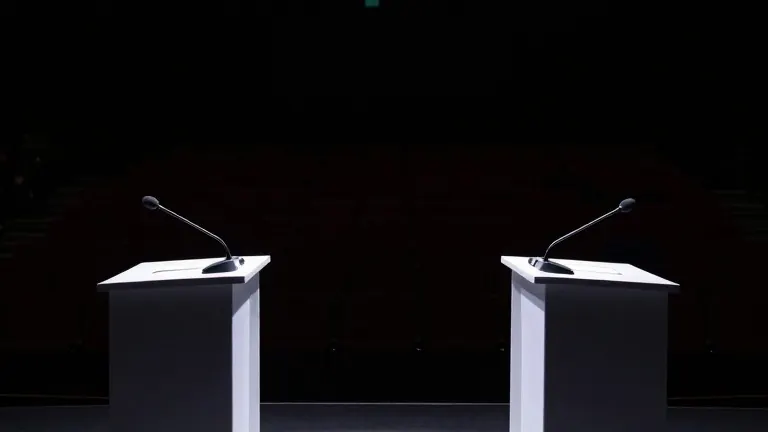
On Oct. 15, Democratic Senate candidate Troy Jackson interrupted a debate in Maine. He told incumbent Sen. Susan Collins to shut up. The clip is still circulating in ads and on social media one week before voters head to the polls. Jackson has declined to apologize for the comment.
The incident illustrates the current calculation for candidates. Chuck Rocha, a Democratic strategist, noted that while a debate rarely wins a race, it can definitely lose one. He said people are super cautious these days. This caution has changed how campaigns structure their final weeks.
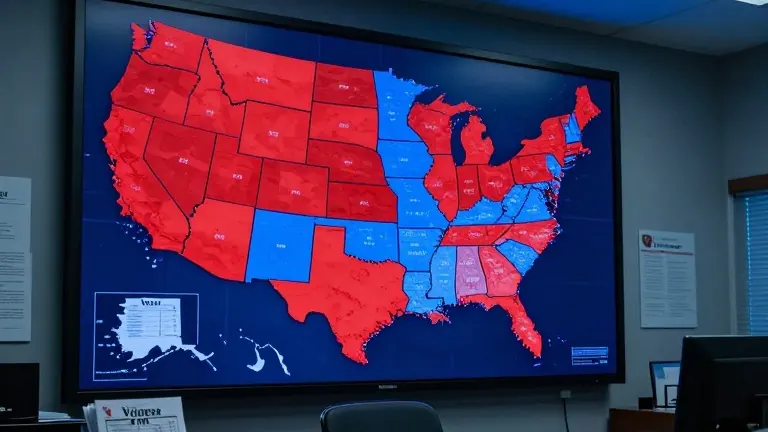
Eighteen of the 35 Senate races in this midterm cycle have no debate between the major party candidates. That is more than half of the total. Twelve of the 36 gubernatorial races also lack a formal debate. In the races that did happen, the exchanges often focused on character attacks rather than policy details.
Terry Sullivan, a Republican strategist, described the modern debate as a game of avoiding errors. He stated that ninety-five percent of the content does not matter. The goal is to avoid the five percent mistake and force the opponent to make one. This dynamic pushes candidates to avoid the stage entirely.
Cook Political Report rates five Senate races as toss-ups. Two of those, Ohio and Texas, have no debate. In previous cycles, debates were standard in close races. In 2024 and 2022, only one of the four toss-up races skipped a debate. All toss-up races from 2020, 2018, and 2016 included debates.
Texas is on track to be the most expensive Senate race in history. Democratic candidate James Talarico repeatedly asked his opponent, Ken Paxton, to debate. Talarico even suggested going into the lion's den and letting Fox News host the event. He eventually held a solo town hall on CNN instead. Rocha said a debate could draw attention to Paxton's past scandals.
Gubernatorial races show a similar trend. A third of these races will not feature debates. In 2022, candidates in seven of the 36 seats opted out. In 2018, only two seats skipped the event. Amy Acton, the Democratic candidate in Ohio, said she would not debate Vivek Ramaswamy. She called him a chronic liar and said a civil dialogue about facts was impossible.
In Alabama, Sen. Tommy Tuberville argued there was nothing to debate with former Sen. Doug Jones. He said the positions of Democrats and conservative Republicans were already known. Jones held his own event on Oct. 21 where he played clips of Tuberville. In Arizona, Gov. Katie Hobbs declined to debate Rep. Andy Biggs. She said face-to-face interactions with Arizonans were more effective than a stage designed for political soundbites.
Kathryn Cramer Brownell, a history professor at Purdue University, said debates used to help voters escape their echo chambers. She noted that the current media climate has undermined that potential. Debates are frequently boiled down to short clips. These clips are then circulated through social media and filtered through a partisan lens.
Source: CBS News