Trump's $5,000 Dividend: A Campaign Promise Left Behind
With Democrats winning both chambers of Congress, the president's Dallas pledge of a universal check now faces a hostile legislative process and deep fiscal questions.
By Lucy Lefebvre ·
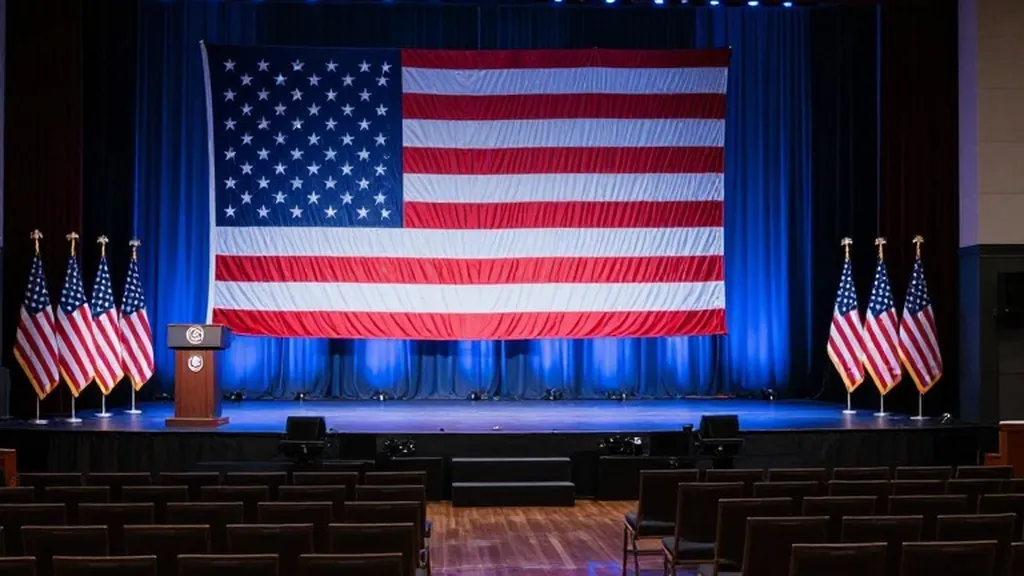
President Donald Trump’s promise to send a $5,000 check to every American adult has effectively expired along with the Republican majority in Congress. The president made the pledge at the Republican Midterm Convention in Dallas, conditioning the payment on his party keeping control of both the House and the Senate. With Democrats now holding wide majorities in both chambers following Tuesday’s elections, the political mechanism required to enact the "Trump Dividend" has shifted to the party that criticized the idea.
During his nearly two-hour speech in Dallas, Trump told the crowd, "If the Republicans win, you win with us and you get $5,000." He framed the payment as a reward for the country's economic success, comparing it to corporate dividends paid to shareholders. The promise was a central part of his midterm campaign, intended to mobilize voters by offering a tangible financial incentive for supporting Republican candidates. However, the Associated Press reports that Democrats have taken control of the House and the Senate, meaning the legislation needed to fund such a payout would now require Democratic support.
House Speaker Mike Johnson, who served as the top Republican in the House during the campaign, confirmed that the plan requires congressional action. Speaking on Sunday before the election, Johnson said he would assume Trump needs Congress to act to make the idea a reality. He described the proposal as a "creative idea" and pledged to work toward implementing it, despite the slim Republican margin at the time. Now that the Speaker is stepping down from his role as party leader, the burden of passing such a massive spending bill falls to the new Democratic majority, which has signaled a focus on cost-of-living issues rather than new tax or spending measures.
Financial experts and fact-checkers have long questioned the feasibility of the dividend. PolitiFact noted that the biggest payment is "far from certain" and that the administration had announced no formal plan for how Americans would receive the money. The Census Bureau estimates there are approximately 245 million adult U.S. citizens, meaning the checks would cost about $1.2 trillion. This figure would significantly increase the federal deficit, which the Associated Press notes is already nearly $1.8 trillion annually. Critics argue that adding such a large expenditure would exacerbate inflation concerns that drove many voters to the polls this year.
Trump cited tariff revenues as a potential funding source for the checks. Vice President JD Vance told Fox News that some of the money would come from tariffs, arguing that the administration is taking in record amounts of revenue. However, the Tax Foundation estimated that the new tariffs would generate far less revenue than the cost of the dividend. Erica York, a senior economist at the Tax Foundation, wrote that the cost of the $5,000 checks would spend almost all the revenue that the new tariffs are projected to bring in over a decade. This gap between projected revenue and the required funding has made the proposal difficult to justify fiscally, even among some Republican lawmakers.
Bipartisan criticism emerged in Dallas as the convention unfolded. Democratic Senator John Fetterman made a surprise video appearance to introduce his Republican colleague, highlighting the cross-party dynamics of the moment. Meanwhile, Texas Congressman Chip Roy, a Republican, questioned the logic of the payout on social media, writing that dependency is "evil and soul-sucking in all its forms." Election law expert Rick Hasen noted that while the promise is likely legal under the First Amendment, it is not without precedent for being difficult to fulfill. He compared it to past campaign promises that were rhetorically powerful but practically complex, such as George McGovern’s 1972 pledge to give every American $1,000 a year.
The economic backdrop for the dividend was complicated by the war in Iran, which drove up gas prices and contributed to voter dissatisfaction. The AP Voter Poll found that three-quarters of voters said the economy is "not so good" or "poor," and about eight in ten said inflation has caused financial hardship. Trump argued that the strong economy made the payments "easy enough," claiming the U.S. is taking in more money than any other country. He told reporters in Ireland that the $5,000 payment was going to happen "100%" if Republicans won. With the election results in, that certainty has been replaced by the procedural reality of a divided government where the president’s party no longer controls the legislative agenda.
Democratic leaders have vowed to focus on a 100-day agenda that includes lowering the costs of gas, groceries, and other goods. House Democratic Leader Hakeem Jeffries, who is expected to become the first Black speaker of the House, said the party is prepared to deliver on the dramatic change voters demanded. The new Democratic majority is likely to view the $1.2 trillion dividend as a major fiscal commitment that competes with their own priorities for tax relief and infrastructure investment. As they begin drafting their legislative plan, the question of whether to honor or revise the Trump Dividend will be a key test of their approach to governing.
PolitiFact’s analysis highlighted that while the promise was a powerful campaign tool, the mechanics of delivery remained unclear. The White House press release provided no details on how Americans would receive the checks, nor did it specify the timeline. Senator Bernie Moreno of Ohio had said he would introduce legislation to fund the proposal immediately after the election. Now that Democrats hold the Senate, that bill would need to overcome a different set of committee hurdles and a more skeptical voting floor. The shift in power means that the "Trump Dividend" may become a case study in the gap between campaign rhetoric and legislative reality.