57 Million Votes Cast as Turnout Becomes the Midterm Battleground
Early voting surges past 2022 levels, forcing both parties to rely on ground games and voter mobilization to tip control of Congress.
By Lucy Lefebvre ·
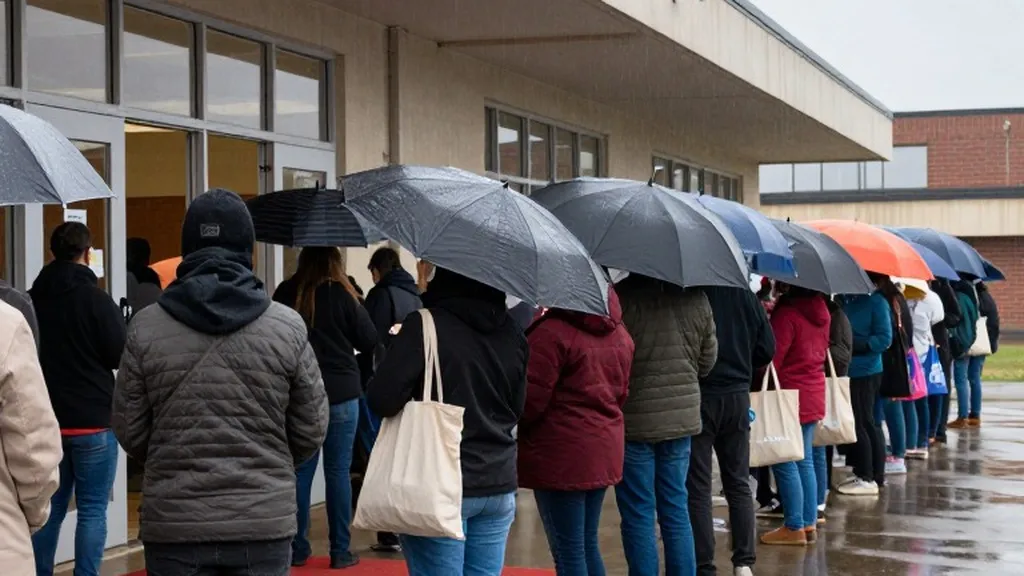
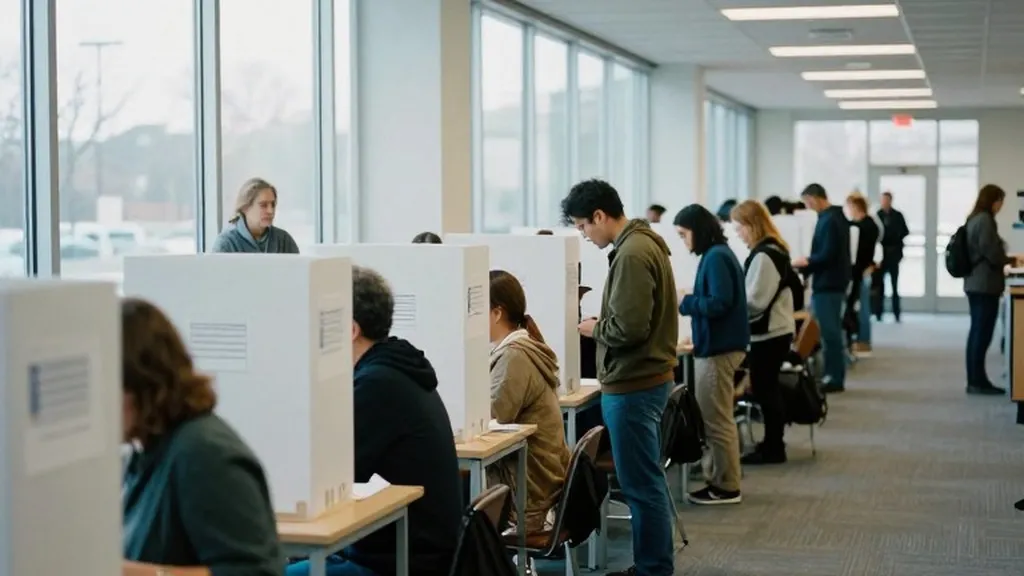
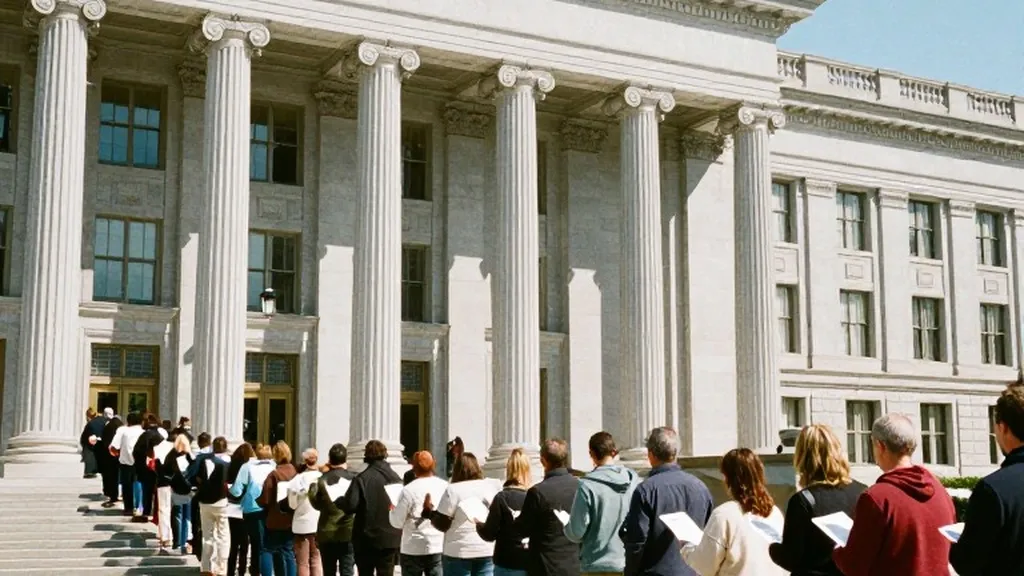
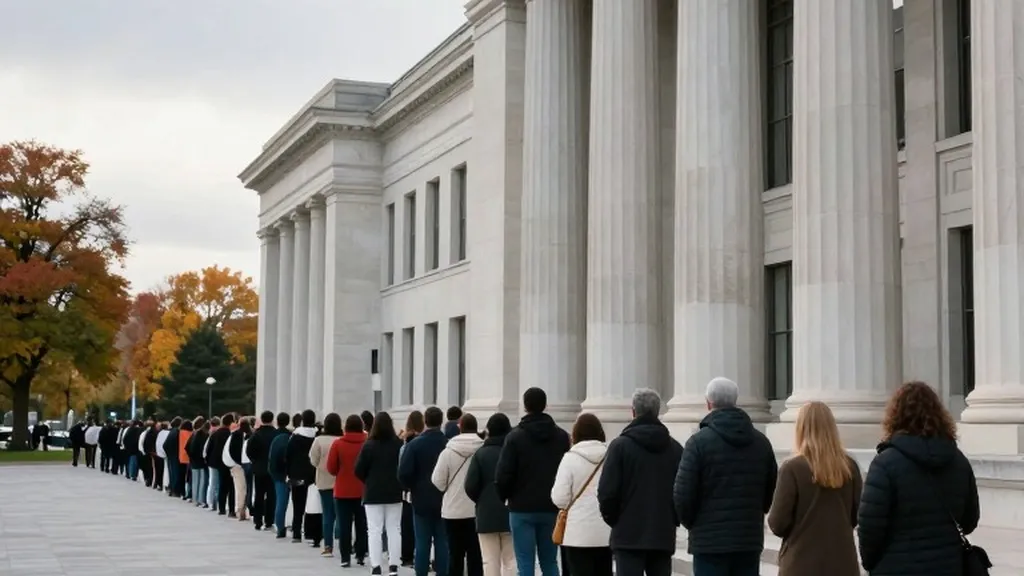
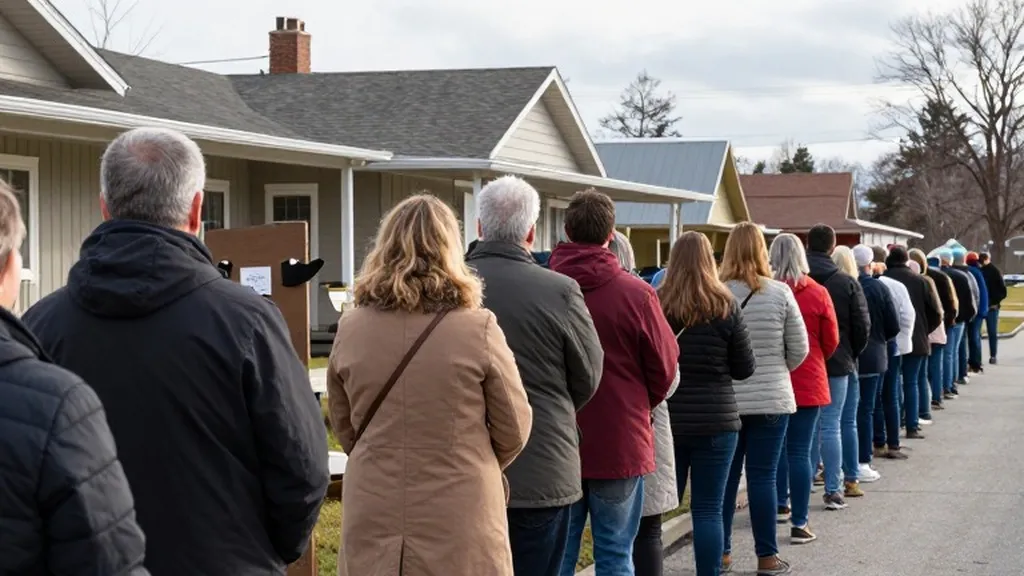
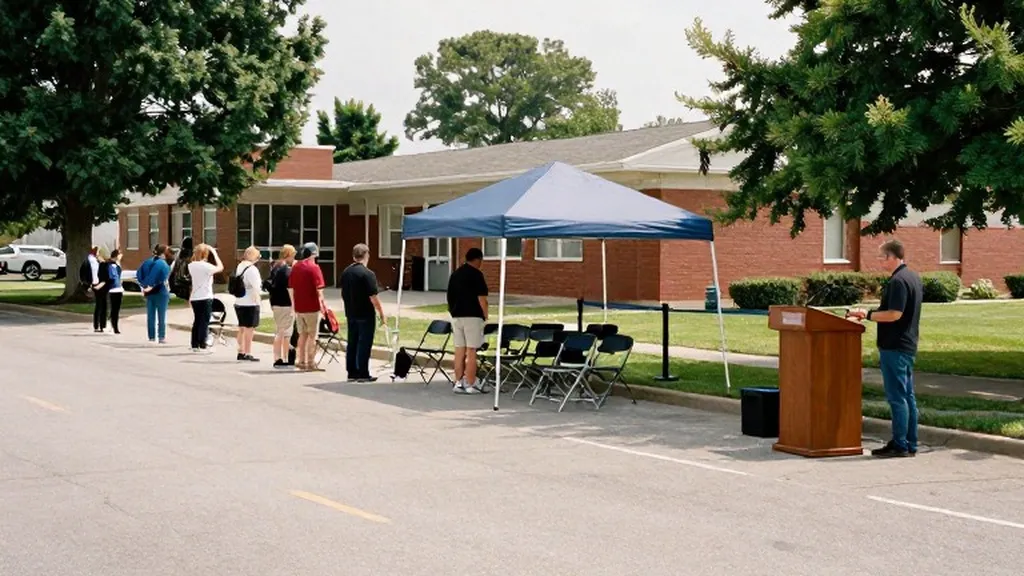
Voters across the nation are heading to the polls on Tuesday, November 3, 2026, in a midterm election that has already seen a massive surge in early participation. According to the Associated Press, more than 57 million people had cast their ballots by Monday, a number that surpasses the early vote total from four years ago in many closely watched states. This early surge is setting the stage for what the AP describes as a referendum on President Donald Trump's second term, with many Americans struggling with high prices and expressing anger over an unpopular war with Iran. The high volume of early votes suggests that the final outcome may hinge less on last-minute persuasion and more on the ability of both parties to mobilize their base in the final hours of voting.
The stakes for control of the U.S. House of Representatives are mathematically precise. Democrats currently hold 214 seats and need a net gain of three districts to secure a majority, while Republicans hold 218 seats and can afford to lose no more than two. Ballotpedia identifies 46 battleground districts, with 25 held by Democrats and 21 by Republicans. The complexity of the race is heightened by the fact that 21 Democratic-held districts voted for Trump in 2024, while nine Republican-held districts voted for Kamala Harris. With 60 House incumbents not running again, the landscape is fluid, and the ground game is expected to be decisive in these competitive areas.
In the Senate, Democrats need a net gain of four seats to take control, as they currently hold 45 seats compared to the Republican 53. The race is particularly tight in states like Maine, which is rated a toss-up by all four major race rating services. The Associated Press notes that economic strain and tariffs have made Maine a competitive battleground for Senator Susan Collins, who faces Democratic former state Senate President Troy Jackson. Similarly, Kansas, a traditionally Republican state, has become central to the fight for Senate control, with the race rated a toss-up to lean Republican. These races illustrate how the national mood is translating into local competitiveness across the map.
Party leaders are framing the election around the power of turnout. RNC Chairman Joe Gruters stated that everything depends on voter participation, asserting that if Republicans turn out their voters, they will win. He noted that this focus has been the central part of their planning strategy. On the other side, DCCC Chair Representative Suzan DelBene emphasized that the American people are angry and want change. Her comments reflect the Democratic strategy of leveraging economic dissatisfaction, particularly regarding the cost of living and health care, to drive voter enthusiasm. The contrast in messaging highlights how each party is trying to define the election's narrative in the final days.
The financial resources behind the campaigns are at historic levels, with the 2026 elections likely to be the most expensive in history. Republican committees have outraised and outspent Democratic committees, aided by Trump-affiliated groups and significant contributions from Elon Musk. However, at the candidate level, Democrats have managed to outraise their opponents. According to an AP analysis of AdImpact data, 88.1% of Republican general election TV ad spending went to states and districts that Trump won in 2024. This includes more than $850 million spent in areas where he won by 10 points or more, indicating a strategy to consolidate support in safe Republican territory while also contesting competitive districts.
Voters on the ground are expressing their concerns in direct terms. James Moore, a 57-year-old librarian in Raleigh, North Carolina, told the Associated Press that he is paying more taxes, more for health care, and more for everything. His sentiments mirror the broader economic anxiety that AP-NORC polling suggests is driving voter sentiment. The polling shows that 35% of U.S. adults approve of Trump's job performance, while about 7 in 10 say the country is heading in the wrong direction. Most of those who hold this view blame the President for high prices, a factor that Democrats are hoping will translate into votes for their candidates in both chambers.
Republicans are bracing for the possibility of losing the House but are fighting vigorously to hold the Senate. The Associated Press reports that one or two seats could tip the balance in either chamber, making the ground game critical. Trump held dozens of rallies to energize his base, ending his schedule on Sunday in Salina, Kansas, where he urged voters to pretend he is on the ballot. His tour included stops in Mississippi, South Carolina, and Texas, though many Republican candidates kept a careful distance from the President during their own campaigns. This dynamic reflects the tension between the national brand and local electoral realities in a midterm cycle.
Election administration has also been a point of contention, with the Trump administration filing lawsuits in Alaska and California regarding voting certification and noncitizen voting. A federal judge temporarily barred the administration from carrying out a plan to prevent noncitizen voting, a move critics say risks disenfranchising eligible voters. Additionally, a judge ordered the administration to stop demanding that California officials segregate ballots cast by people on lists of suspected noncitizens. These legal battles, along with the Justice Department's threats to prosecute local election officials, have raised fears of interference among Democrats, who view the administration's actions as an attempt to intimidate local officials.