Trump pushes for Senate hold as polls show GOP decline
The president's final campaign stop in Iowa and Kansas signals a defensive strategy as his approval rating hits 37%.
By Noor Rossi ·
President Donald Trump spent the final weekend of the midterm campaign in Iowa and Kansas, focusing his efforts on protecting Republican Senate seats. This targeted strategy reflects a party that expects to lose its slim majority in the House and faces a tight race for control of the Senate. The president’s physical presence in these states contrasts with the remote rallies he held in 19 other locations, indicating a specific effort to limit losses in states that have historically favored Democrats or deep red Republicans.
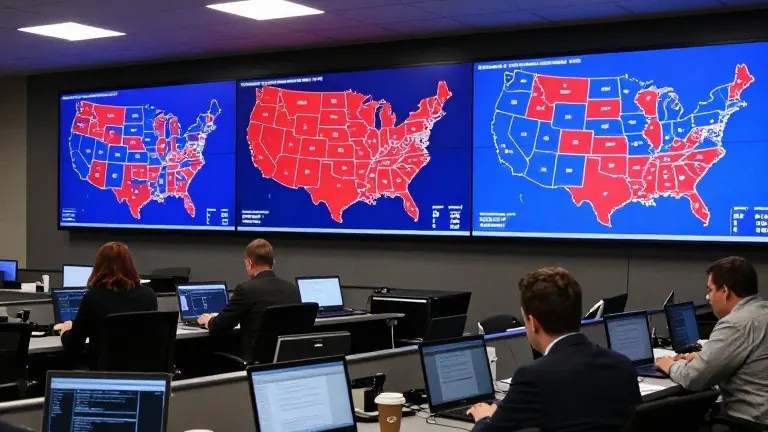
The political climate has shifted sharply against the White House incumbent. Average approval ratings for Trump fell from 52% early in 2025 to 37% currently. This figure drops below the 40% threshold that historically correlates with severe midterm losses for a president’s party. Polls suggest the electoral pendulum is swinging back against the majority, a pattern seen in most midterms over the last century. Even in states Trump won by double-digit margins in previous campaigns, Republicans face potential setbacks.
Voters are weighing specific unfulfilled campaign promises against the current economic landscape. Inflation remains elevated, and gas prices continue to drive up everyday costs. Critics point to foreign policy gaps, including stalled efforts toward peace in Ukraine and a new era for the Middle East. These issues have fueled opposition rallies featuring the slogan No Kings, a direct challenge to the president’s expansive interpretation of executive power.
Democrats are preparing for a potential return to congressional power, though their majority would likely be narrow. The party faces internal divisions between centrist consensus builders and left-wing firebrands, including candidates associated with the Democratic Socialists of America. These candidates have featured prominently in Republican campaign ads, even in districts where they lost primaries. Political analyst Ruy Teixeira, author of America's Forgotten Majority, argues that Democrats must prioritize working-class economic issues over social policy to maintain broad support.
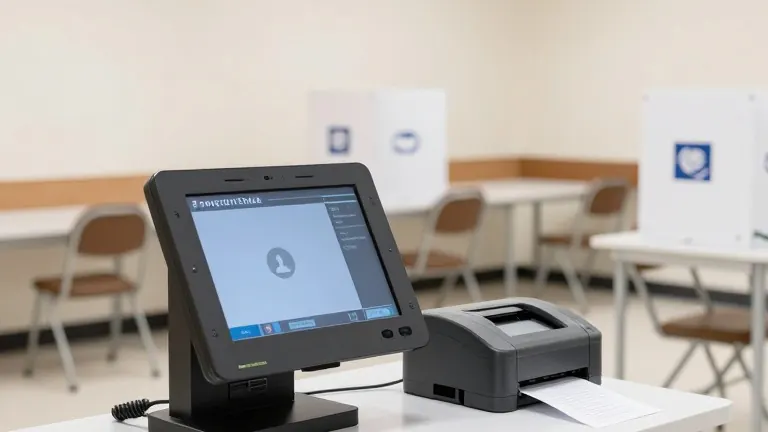
Beyond partisan battles, the election will test public confidence in the U.S. electoral system. Since the Help America Vote Act was enacted in 2002, states have upgraded voting infrastructure, replacing punch-card ballots with touch-screen technology and paper trails. Nonpartisan experts generally defend the current administration of elections. However, Trump has repeatedly questioned the integrity of polling and news reporting, telling audiences to ignore fake data. This skepticism may intensify in the days following Tuesday’s vote, as the president and his supporters react to the results.
The Senate race remains close enough that Vice President JD Vance’s tie-breaking vote could determine the majority. If Republicans hold the chamber, the balance of power in Washington will be fragile. If Democrats gain control of either chamber, they will face a Congress defined by narrow margins and internal disagreements. The outcome will shape the legislative agenda for the next two years and set the stage for the 2028 presidential cycle.
Source: KWMU